

According to consultancy firm Pricewaterhouse Cooper’s (PwC) Festive Predictions Survey, UK consumers are set to spend £24.6 billion on celebrations over the Christmas period this year.
This is a 3.5% increase from the £23.7 billion spent in 2024, with average spending per adult forecast to rise from £449 to £461.
While overall spending on Christmas is predicted to see a slight uplift, consumers’ net spending intentions (those who say they will spend more vs those who say they will spend less) are broadly in line with last year.
PwC said that food and drink will be the top spending priority again, with 27% of consumers planning to spend more compared to last year.
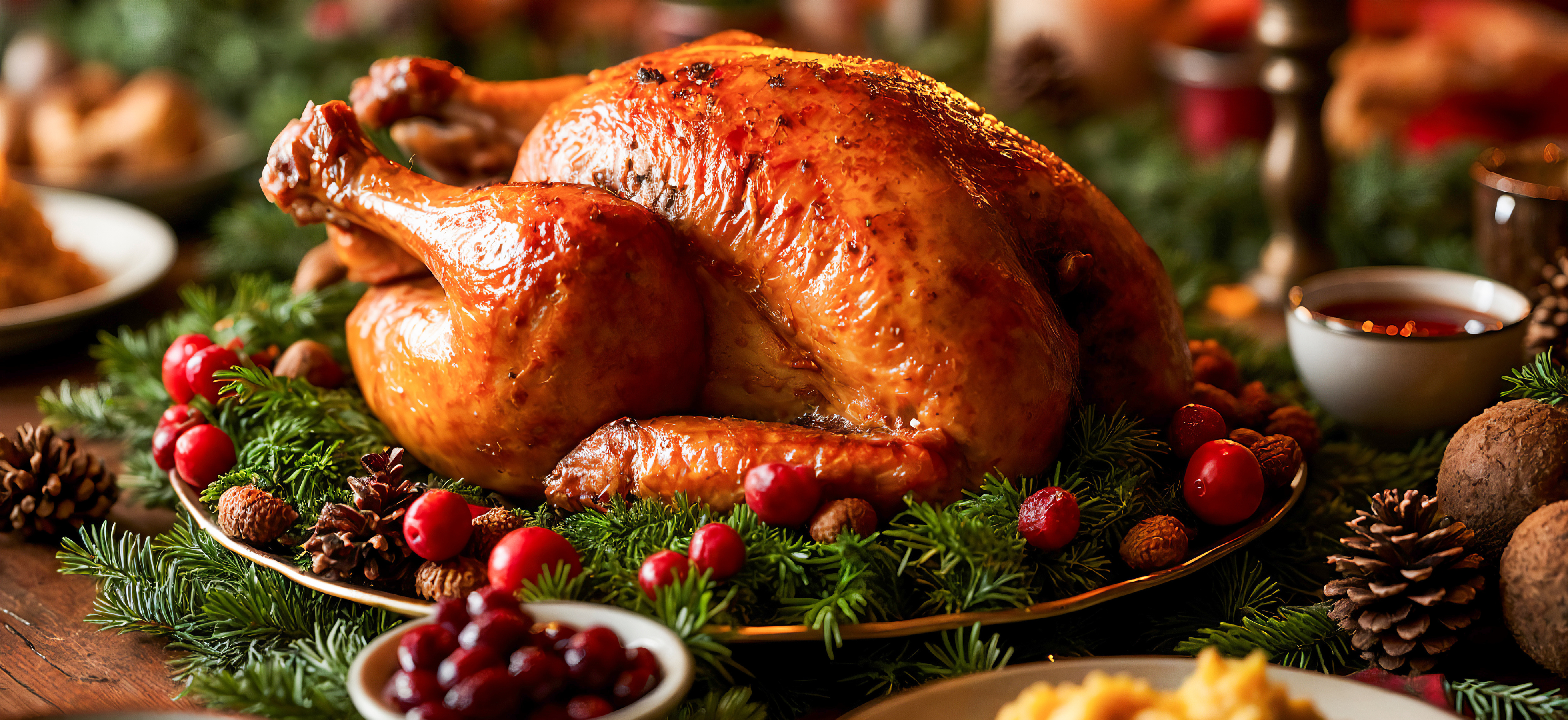
Both food & drink (+13) and Christmas dinner (+11) categories see higher net spending intention than last year due to a combination of grocery price inflation, more family gatherings, and trading up to “extra special” products.
This year, 15% of shoppers said they will increase their spending compared with last Christmas, with an almost equal number (14%) saying they will spend less. This is a slightly more pessimistic outlook than this time last year, PwC found, when 20% of consumers said they would spend more on festivities and 16% spend less.
Jacqueline Windsor, head of retail at PwC UK, said: “Retailers, and particularly supermarkets, will be encouraged to see consumer net spending intentions for food and drink in positive territory. Post Budget, we should see clarity on personal finances easing some of the caution we have seen this Autumn, which has contributed to a slow start to the critical Golden Quarter for some retailers.
“For retailers, the challenge is to balance competing consumer priorities. Those who succeed will need to offer a mix of practical and joyful products at different price points to meet the needs of shoppers managing their wallets and celebrating special occasions. With almost two-thirds of festive shopping expected to take place online this year, retailers will also need to bridge digital and offline channels across the customer journey.
“The good news is that despite the slow start to the festive shopping period, we know that the majority of Christmas shopping is done in December, and that consumers always spend more than they expect on festive presents and celebrations. So, it’s still all to play for the retail and hospitality sectors as we come into the final weeks before Christmas.”