
According to the latest Worldpanel by Numerator figures, demand for healthy options rose in January with sales of cottage cheese up 50%.
Take-home sales at the grocers grew by 3.8% in the four weeks to 25th January 2026 compared with a year ago. Meanwhile, like-for-like grocery price inflation eased back to 4%, the lowest level since April last year, which Worldpanel by Numerator said “offered some relief” for shoppers.
With shoppers looking to cut back after record spending on groceries in December, the share of spend on own-label goods typically rises in January. This year, own-label accounted for 52.2% of grocery spending, which Worldpanel said was the highest level recorded.
Promotional spending also picked up pace. While not hitting the Christmas highs, it rose by 10.9% year-on-year, marking the fastest rate of growth since October 2024. By contrast, full price sales edged upwards by just 1.7% compared with the same four weeks last year.
Fraser McKevitt, head of retail and consumer insight at Worldpanel by Numerator, said: “For most shoppers, January is all about resetting household budgets, and this year was no exception. While grocery sales continue to grow and inflation eased to its lowest level in months, value remained front of mind for many – with own label hitting a record high, accounting for more than half of all grocery spend.”
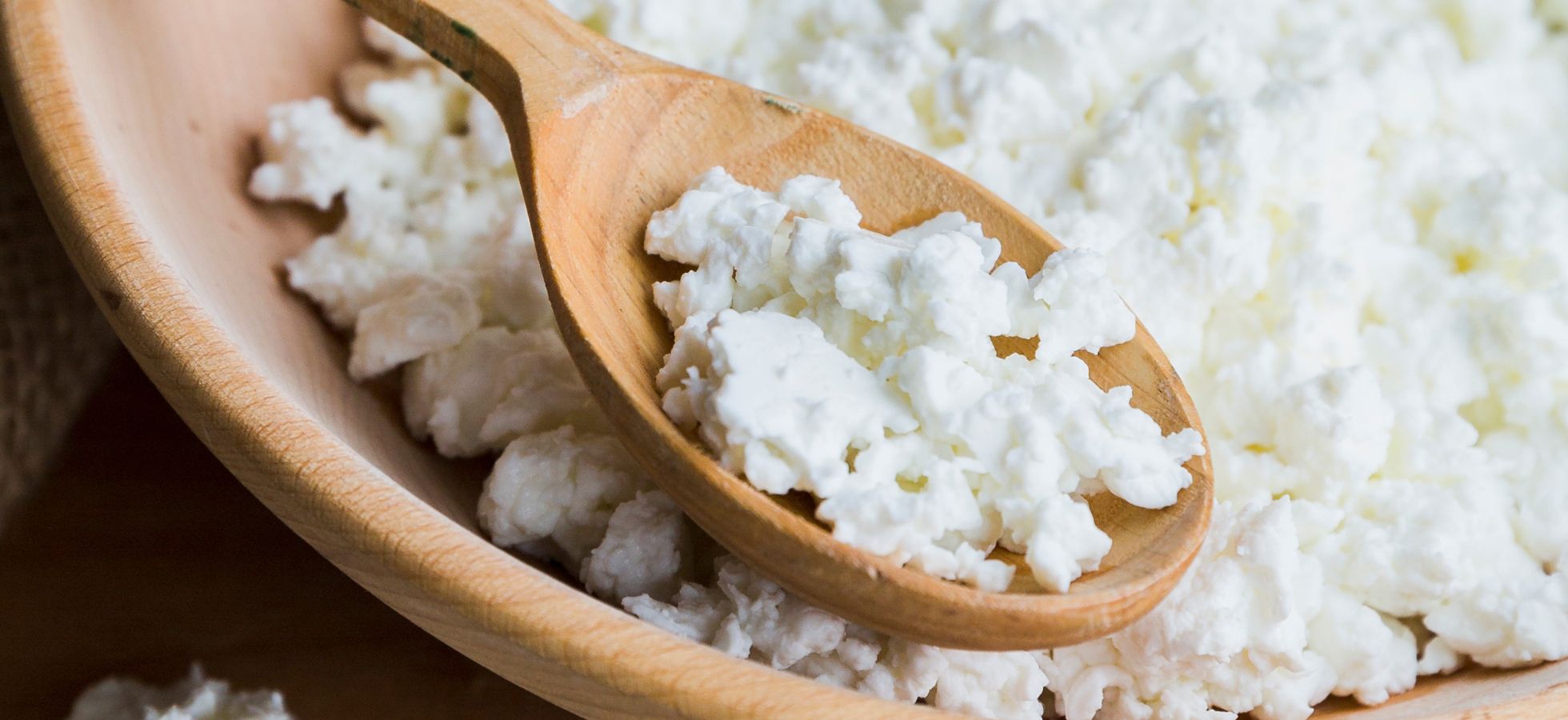
Healthy habits were a “key pillar” of shopper behaviour in January, as nearly a quarter of shoppers (23%) were actively seeking out high-protein options – and an even higher proportion (26%) were looking for high-fibre products. Worldpanel by Numerator said this nutrition-driven behaviour was reflected in spending patterns, with sales of cottage cheese up 50% year on year bought by 2.8 million households – around 600,000 more than last year.
The market research firm went on to say that this reinforced demand for everyday naturally nutritious staples already found in most shopping baskets. Fresh fruit and dried pulses led the way with volumes up 6% year on year, alongside solid growth in fresh fish (+5%), poultry (+3%) and chilled yogurt (+4%).
McKevitt continued: “Shoppers are actively seeking out foods that support their health goals, with strong demand for staples high in nutrients like protein and fibre. While interest in seasonal diet-focused trends like Veganuary in on the decline, shoppers are taking a more practical, balanced, and achievable approach to healthy eating, built around foods already familiar to most households.”
Tesco retains highest market share
Sainsbury’s saw a 5.3% rise in spending through the tills, driving a 0.2% increase to 16.2%. Tesco matched this share gain, now accounting for 28.7% of the market, with sales rising by 4.4%.
Sales at Morrisons increased by 2.5%, with the retailer now holding 8.4% of the market, while Iceland saw sales rise by 3.2% higher with market share at 2.3%. Asda holds 11.5% of grocery sales, while convenience specialist Co-op holds a 5.0% share.
Waitrose’s growth accelerated to 5.5%, supported by the fastest rise in average spend per trip among the grocers. Market share for the John Lewis-owned supermarket held steady at 4.7%. Sales of grocery items at M&S were 6.9% higher over the 12 weeks than compared with the same time last year.
Lidl was the fastest-growing brick-and-mortar retailer, with sales up by 10.1% over the 12 weeks to 25th January 2026 compared with the same period last year. The discount retailer’s market share stands at 7.7%, an increase of 0.4% over a year ago, continuing an unbroken run of market share gains stretching back to October 2021. Aldi share remained unchanged at 10.1% with sales growing just ahead of the market, up by 3.8%.
Sales at Ocado increased by 14.1%, driven by growth in both customer numbers and shopping frequency. The online specialist’s market share rose to 2.1%, up from 1.9% in 2025.