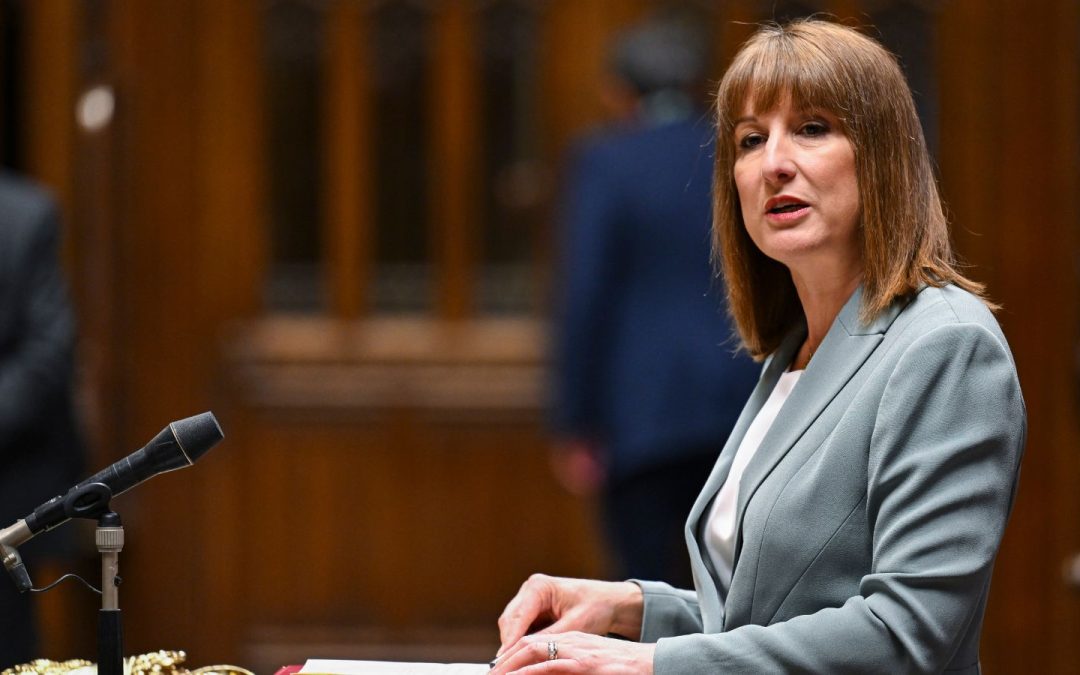
Chancellor Rachel Reeves unveiled the 2026 Spring Statement, reporting that inflation had fallen.
Government said that “easing the cost of living” was its “number one focus”, as it revealed a boost in the minimum wage.
The Office for Budget Responsibility (OBR) forecast a fall in inflation, borrowing and debt interest, while investment was said to be rising. It now forecasts that inflation will return to target in the second half of 2026, which is earlier than forecast in November.
Growth was downgraded to 1.1% for the year, down from its November 2025 estimation.
“Tackling youth disengagement is now central to building a resilient future workforce.”
James Walton, chief economist at the Institute of Grocery Distribution (IGD), commented: “As expected, the Chancellor’s Spring statement was a forecast only update and the food and drink industry will welcome the stability that brings. However, with the OBR downgrading growth for 2026, this does add extra pressure for the food and drink industry, which is experiencing ongoing flat demand.
“Compounding that challenge, the Chancellor also highlighted the rise in young people not in education, employment or training (NEET). For labour-intensive sectors such as food and drink, tackling youth disengagement is now central to building a resilient future workforce. Our report: ‘Food and drink workforce – a quiet crisis building?’ shows we are at a critical point at which the food and drink industry is crying out for a national workforce strategy to continue keeping the nation nourished.
“As the UK’s largest private sector employer, the food and drink industry has both the scale and responsibility to act. That is why IGD is relaunching Feeding Britain’s Future in summer 2026, bringing industry, educators and communities together to build a confident, skilled and future-ready workforce.”
Inflation remains a “challenge”
Rob Sinclair, CEO of food and drink lifecycle management software company Point74, said: “The Chancellor’s focus on stability is great in theory, but this needs to translate into genuine support for sectors still feeling the effects of prolonged high costs, such as food and drink.
“While inflation may be easing at a headline level, it remains a real challenge for food manufacturers, who are under increasing pressure to manage complexity across innovation, compliance, factory operations and cost.”
OBR’s economic and fiscal outlook can be accessed here.