The second Red Tractor ‘Trust in Food’ Index has revealed that food from the UK is still more trusted than anywhere else in the world but highlights increased concerns from British consumers as eating and shopping habits change.
New research from YouGov, in partnership with Red Tractor, has revealed a significant drop in consumer trust across almost all British institutions, with food and energy seeing the biggest deterioration since 2021.
The research found that trust in food has declined by 8% overall, and this increases to 13% for those in skilled, manual employment.
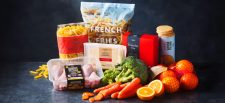
Almost a quarter of shoppers said that they are trading down, buying what they perceive to be food produced to lower food safety and animal welfare standards, which increases to 29% for people on lower incomes.
The research further showed that 13% are buying less fruit and vegetables, which again rises to 19% for people with less disposable income.
Last year, 78% of people surveyed said that they trusted the safety and quality of food purchased from supermarkets. This year, only 58% said they trust supermarkets. The striking 20% change in trust suggests that as people switch and trade down to value ranges, the standards for these ranges are assumed to be weaker.
More than half of shoppers who trust UK food said the UK’s system of high standards and regulation was their number one reason for doing so. Red Tractor report that assurance schemes and labelling also play a major role in confidence. Seven out of 10 people surveyed look to food marques and assurance schemes to ensure food is safe and produced to a high quality, with British Lion, Red Tractor and Fair Trade the most recognised among consumers.
Sustainability and welfare
Consumers continue to care about high welfare standards and sustainable production, with three quarters of consumers saying that they value good animal welfare standards. Two thirds of people value reducing plastic waste and low use of chemical fertilisers in the production of their food. Overall, 49% of shoppers said that labels indicating that a product is sustainably farmed would positively influence their buying decisions in a supermarket or restaurant.
However, the research also found that many consumers do not understand a lot of the terminology relating to farming methods or sustainability. While two thirds of people said they could explain what organic means, half of respondents said they felt confident explaining terms such as room to roam.
Brexit and trust outside the UK
In other findings, the Index found that people believe Brexit is having an impact on food – 26% of respondents said they felt the quality of food in the UK has been falling over the last two years.
Furthermore, 43% of consumers believe that new trade deals will reduce standards of food in the UK further. The U.S. and India – both countries the government is seeking trade deals with – have very low levels of trust. Red Tractor found that 27% and 18% of consumers trust food that originates in those countries respectively.
According to the findings, Ireland and New Zealand are the most trusted countries for imported food among survey respondents, followed by many European and Nordic countries, such as Italy, Sweden, Denmark, Netherlands and Germany. The Index found that 58% of consumers look at the country of origin before buying a product.
Restoring confidence
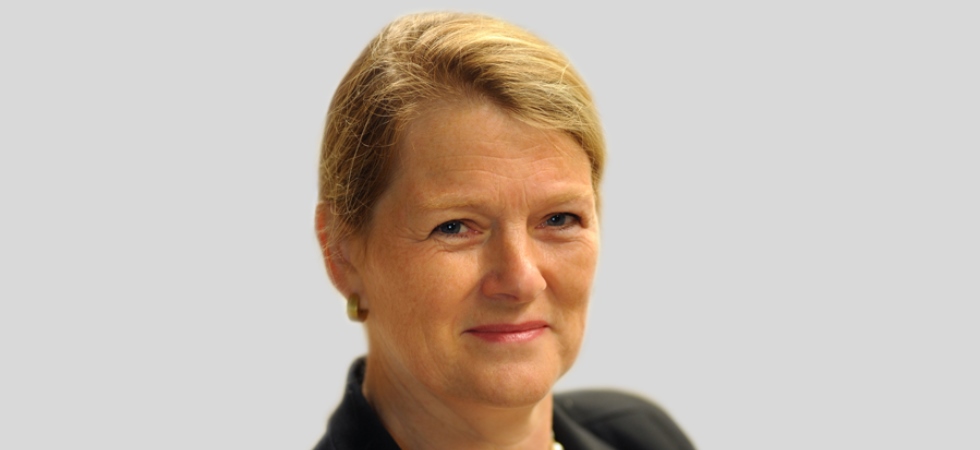
Commenting on the report’s findings, chair of Red Tractor Christine Tacon said that food assurance bodies and wider industry must tackle the confusion around the quality of value ranges produced in the UK.
She said: “We must tackle this before the drop in trust becomes toxic, by making it clear to people doing their shopping.”
She added: “As an industry we must work together to reassure people that whatever their price range, they can be confident in the standards and safety of food produced in the UK- people should never have to choose between price and food safety”.