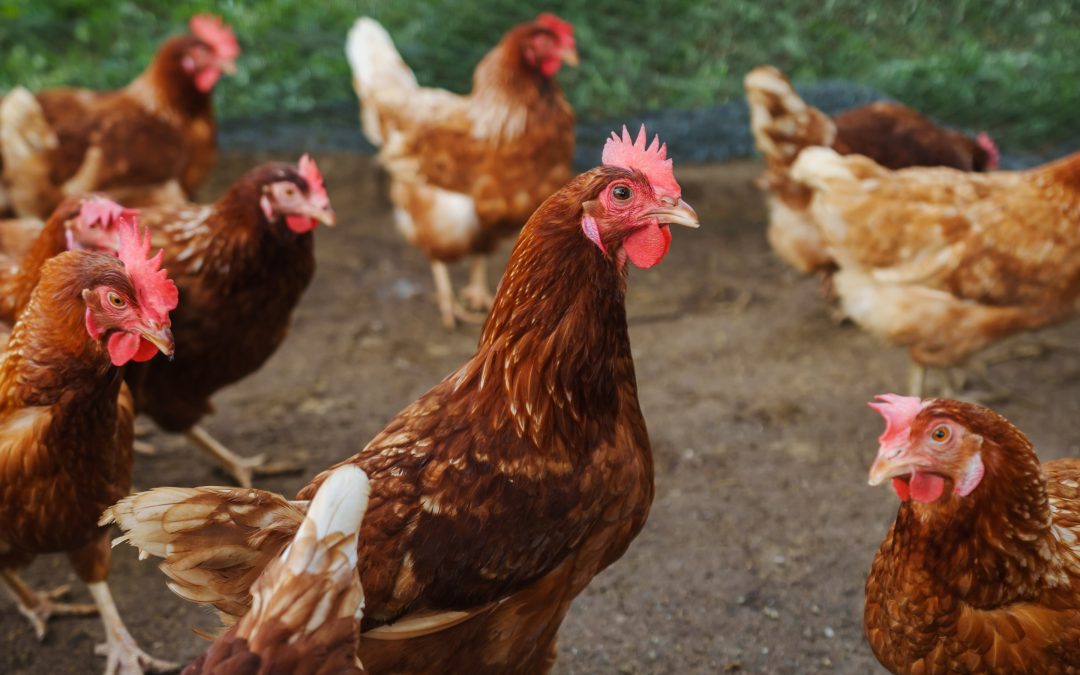
The Department for Environment, Food & Rural Affairs (Defra) has announced new proposals to end the use of cages for laying hens.
Under the proposals all colony cage systems across the laying hen sector would be phased out by 2032 including for smaller producers.
Proposals for tighter restrictions on sheep mutilation practices such as castration and tail docking, which it said “cause pain to lambs and are often carried out without pain relief”, are also being consulted on.
Enriched ‘colony’ cage eggs supply just over 20% of the UK shell egg production, and these cages are reported to “heavily restrict” the movement of British laying hens with up to 80 birds in each cage.
UK retailers, including Sainsbury’s and Aldi, have already committed to not selling eggs produced from cage systems, with Government stating that the move was “in line with widespread best practice and public opinion”.
Farming Minister Dame Angela Eagle commented: “We are committed to improving the lives of farm animals and to supporting farmers to produce food sustainably, profitably and to the high standards consumers expect.
“British consumers want high animal welfare standards and these measures reflect those values, creating healthier livestock and high welfare food production.”
Anthony Field, head of Compassion in World Farming UK, said: “We warmly welcome the UK Government’s leadership in honouring a key commitment in its Animal Welfare Strategy by swiftly launching a consultation on phasing out the use of cages for laying hens. This marks an important and long-awaited step towards ending the cage age.
“We are optimistic that this will be the first of many meaningful and lasting changes. Phasing out cages for the millions of hens kept behind bars every year cannot come soon enough, and we hope the outcome of this consultation will be an ambitious timeline for phasing out these cruel systems.
“We also welcome the launch of a consultation to improve the welfare of lambs. Lambs are routinely subjected to painful, unnecessary mutilations. Castration and tail docking are usually carried out without anaesthetic or pain relief, causing great suffering, so this is an extremely encouraging move.
“We look forward to seeing positive changes for millions of other farmed animals in the coming years and to working with Government to achieve this.”
The proposals will be subject to eight-week consultations, so any impacts on farmers and trade can be fully considered and managed. Both consultations will open today, and farmers, industry and animal welfare organisations are encouraged to share their views.