The Department for Environment, Food and Rural Affairs (Defra) has set out how the new sanitary and phytosanitary (SPS) agreement is expected to affect UK importers and exporters.
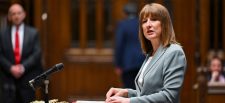
Environment Secretary Emma Reynolds said the new arrangements would cut red tape and open opportunities for growth for large and small importers and exporters across the country.
The new agreement was estimated by Government to come into place in mid-2027, but the agri-food sector is being urged to start getting ready now, including those that do not currently trade with the EU.
The costs to businesses expected to be removed by the deal include:
- Export Health Certificates costing up to £200 for agri-food goods.
- Phytosanitary Certificates costing approximately £25 alongside inspection fees of at least £127.60.
- Organic Certificates of Inspection, required for the export of organic lamb and cheese, costing on average £35.
- Identity check fees on meat and dairy exports adding £31 per load on average.
- Sampling, which can add approximately £1,200 to a cheese load, £1,400 to a salmon shipment, £440 to a load of apples, and £1,200 to a beef load.
Environment Secretary Emma Reynolds commented: “We are resetting our relationship with the EU, our closest and largest trading partner, to make trade easier and cheaper, and deliver tangible benefits for British businesses.
“By reducing delays and unnecessary paperwork, this deal will help keep shelves stocked, protect jobs and put downward pressure on food price inflation for families across the country.
“British businesses deserve better and we will work hand-in-hand with them to ensure this deal is a success.”
Food businesses welcome progress
Alex Freudmann, managing director of M&S Food, stated: “It’s good to see that the Government’s EU reset is moving forward, with a renewed commitment to implementation in mid-2027.
“The sooner this deal is done the better – it will remove unnecessary bureaucracy between the EU and the UK, easing cost pressures on serving our customers across Great Britain, Northern Ireland and the Republic of Ireland. It will also give much needed relief to British farmers in exporting meat, fruit and veg into Europe.
“It’s now time for all businesses to prepare for this shift so we can make the most of the opportunity – we’ll be getting to work with our suppliers right away.”
Bas Padberg, UK managing director at Arla Foods, said: “The progress being made on reducing friction in the UK-EU trading relationship will be good news for Arla and our farmer owners, as well as for consumers, for food security, and for growing exports into Europe.
“Making sure these changes deliver the maximum benefit for everyone is vitally important, which is why we strongly welcome Government’s commitment to work with businesses and other stakeholders on getting the practical details right.”
NFU calls for “time to adjust”
Responding to the regulations, president of the National Farmers’ Union (NFU) Tom Bradshaw, commented: “The main thing we’re hearing from our members is the need for a sufficient transition period. Farming is a long-term business – many farmers are making production decisions now that will impact food sold beyond mid-2027.
“The Government has said it is considering transitional arrangements for some sectors. If this Agreement is to work for the British farming sector, it cannot be bound by an impractical deadline which will only increase the cost of producing food, both for the domestic and EU market. We need Government to take a pragmatic approach and give farmers the time needed to adjust.
“The SPS Agreement covers hundreds of pieces of regulation, and it’s important Defra takes time to explain to farmers and growers how alignment with the EU rules could affect their businesses.
“We want to hear about any concerns members have over the implementation of the SPS Agreement so we can provide a clear picture to Government of what is needed to ensure farmers and growers can benefit from this deal.”