
The authoritative independent voice of the UK food industry

The authoritative independent voice of the UK food industry

News

Meat industry trade body says Britain’s labour shortage is “not an easy problem to fix”

11 Jul, 2023

Companies within the British meat industry are facing one-off costs of up to £15,000 to bring in staff from far afield.

Interested in reaching the food industry?

Explore our media pack for all of our advertising opportunities and partnership options.

In a statement, the British Meat Processors Association (BMPA) said that advice telling companies within the sector to employ more British people to fill current vacancies ignores the issues of whether they are physically able to do the jobs and whether they are willing and able to travel to where those jobs are.

According to the trade body, companies within the British meat industry are eager to employ local workers, but one-off costs of up to £15,000 to bring in staff from far afield are leaving them questioning policy makers. It’s not through choice that they are paying these prices, but out of necessity, says the BMPA.

Nick Allen, CEO of the BMPA said: “Just two of our members have committed a total of £10 million in the last 18 months to bring in the staff they need from abroad because suitable UK candidates are simply not available. It’s an extra cost on top of wages that we never had before we left the EU. It’s also in addition to a near 20% rise in wages. And to stay viable, these costs are having to be passed on to consumers, stoking food price inflation, and making British companies less competitive.”

Allen continued: “It’s an inconvenient truth, but many British workers, whether they’re ‘economically inactive’ or not, are either reluctant or physically unable to take up jobs in certain industries. Meat processing is one of those industries that struggles to fill vacancies from the local population.

“This is partly a perception issue (which we’re working on), but the bigger and more intractable issue is the lack of geographical mobility and the physically challenging working environment, neither of which we can change, either for productivity reasons or for food safety reasons.”

The BMPA said that the answer to the current issues lies somewhere between short term reliance on overseas workers and a longer-term shift in how this country perceives and values certain careers, but it can only do this with the engagement and support of Government, schools and education providers.


Latest News

SPS deal welcomed by food industry

The new UK-EU deal has been agreed at the EU Summit in Brussels, with supermarkets and industry bodies welcoming the changes.

Celebrating inspirational women in the meat industry.

Order your tickets for the ceremony on 20th November 2026 at the Royal Lancaster Hotel, London

Everything you need to know about the Food Management Industry Awards can be found through our dedicated website.

Some of the leading companies that have participated in the Food Management Today Industry Awards...

Keeping production moving amid supply chain disruption

Keeping production moving amid supply chain disruption

Ingredient shortages, transport delays and rising costs are putting pressure on food manufacturers and processors. Ben Beattie, director of Forbeats, looks at the contingency options available to businesses, the risks of switching materials or suppliers, and how toll processing could form part of a wider resilience strategy.

Water power

Water power

As climate volatility becomes a fact of life, says NFU Livestock Board chair Clare Wise, investment in water infrastructure becomes ever more pressing as the foundation of a resilient supply chain.

The impact of El Niño on food and drink businesses

The impact of El Niño on food and drink businesses

Eliot Bassett, managing director at foreign exchange and currency risk management service provider Lumon Pay, discusses how climate-related disruptions can have significant, long-lasting impacts across the global food and drink industry.

Keeping production moving amid supply chain disruption

Ingredient shortages, transport delays and rising costs are putting pressure on food manufacturers and processors. Ben Beattie, director of Forbeats, looks at the contingency options available to businesses, the risks of switching materials or suppliers, and how toll processing could form part of a wider resilience strategy.

Water power

As climate volatility becomes a fact of life, says NFU Livestock Board chair Clare Wise, investment in water infrastructure becomes ever more pressing as the foundation of a resilient supply chain.

The impact of El Niño on food and drink businesses

Eliot Bassett, managing director at foreign exchange and currency risk management service provider Lumon Pay, discusses how climate-related disruptions can have significant, long-lasting impacts across the global food and drink industry.

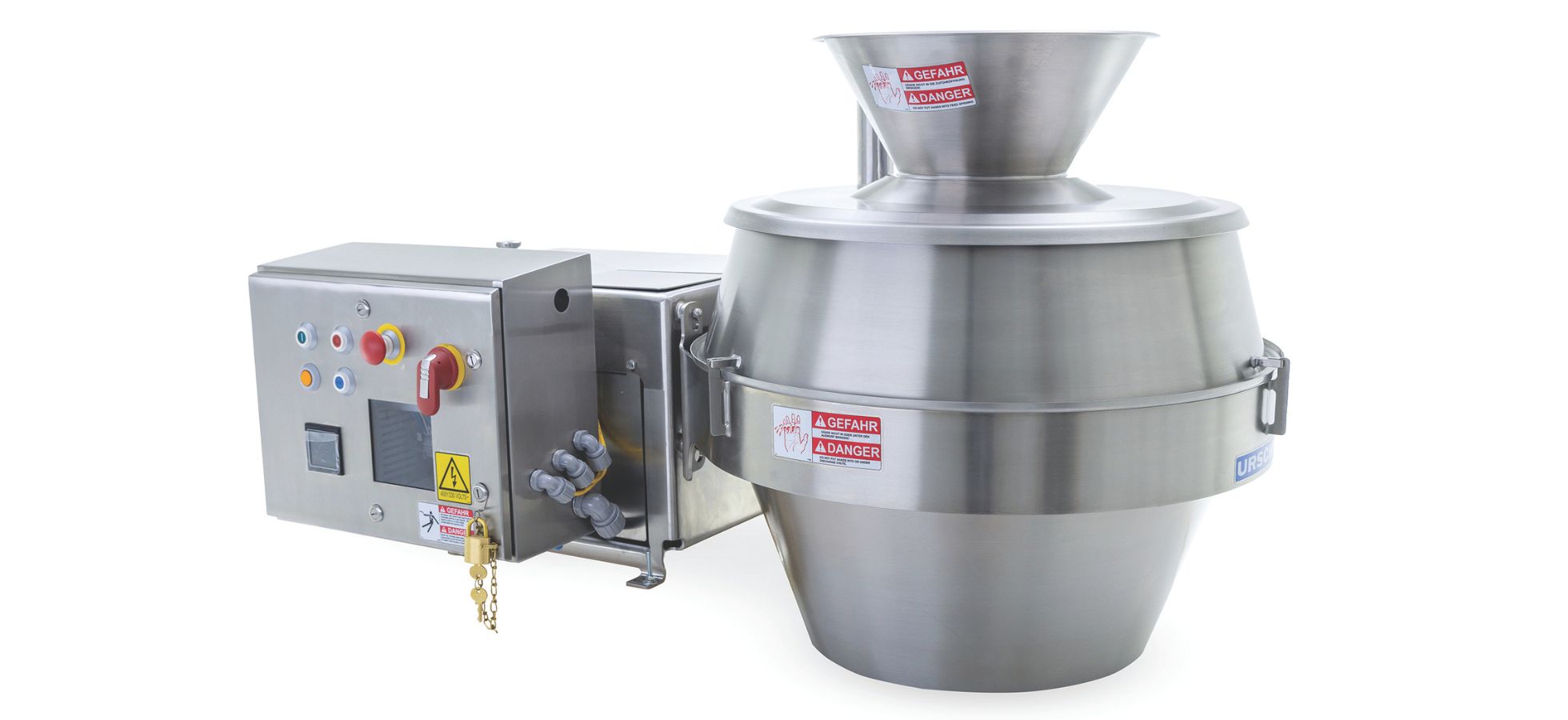
Cheese shredding solutions by Urschel

Leading cheese processors rely on optimised dicing and shredding solutions supplied by Urschel.

The Multivac Total Offer: end-to-end lifecycle support

Streamline your operations with a joined-up approach to equipment, materials and service solutions from Multivac.

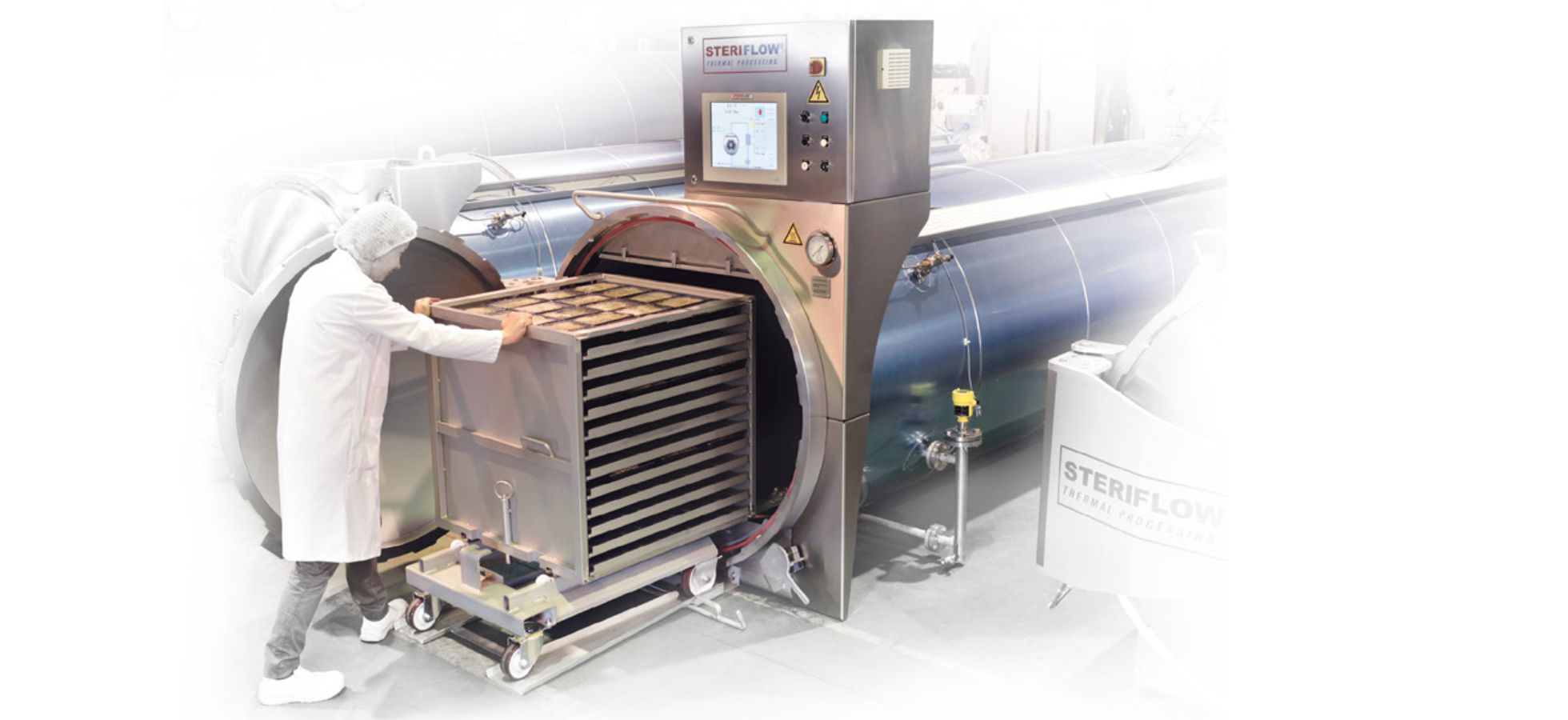
Revolutionise your sterilisation: how the Static Steriflow solves real production challenges

Interfood Technology talks to Food Management Today about the Static Steriflow, engineered for versatility and reliability in food production environments.

Sign-up for our newsletter and alerts

"*" indicates required fields

Name*

Which emails would you like to receive from us?

Please select an option*
* By subscribing or opting in to any communication you also give permission for us to send you occasional general information updates about this media portfolio. You can opt out or change your preferences at any time.