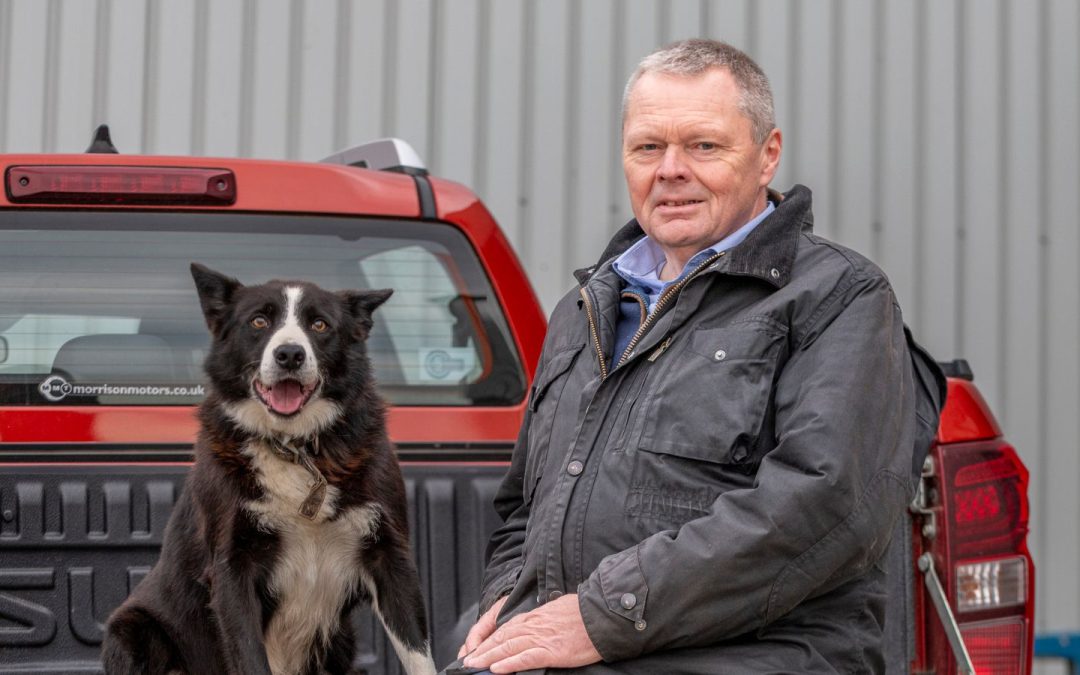
National Farmers’ Union (NFU) Scotland has written to the Prime Minister to warn that tensions in the Middle East are already pushing up the cost of key farm inputs and “could threaten UK food security”.
The letter to Prime Minister Kier Starmer stated that food production in the UK was “uniquely exposed” to volatility in global energy and fertiliser markets, with the rising costs placing “unsustainable pressure” on farm businesses.
NFU Scotland said agriculture is “particularly exposed” to fluctuations in energy and fertiliser markets, with nitrogen fertiliser production heavily dependent on natural gas and farm operations reliant on diesel to power machinery and transport.
The Union warned that the current surge in input costs could force farmers to reduce production, with knock-on impacts for domestic food supply.
“If this volatility continues, some businesses may be forced to cut back production simply to survive financially.”
NFU Scotland president Andrew Connon said: “Farmers across Scotland are already seeing the early impact of global instability feed directly into the cost of producing food. Fertiliser and fuel are fundamental inputs for agriculture, and when those costs rise sharply it puts huge pressure on farm businesses.
“For many producers, input costs already represent the largest share of their operating expenses. If this volatility continues, some businesses may be forced to cut back production simply to survive financially.”
NFU Scotland has urged Government to introduce a number of short-term measures to “stabilise farm production and maintain food supply”, including support for agricultural fuel costs and action to ensure fertiliser supply chains remain secure.
The Union has also called for:
- Temporary support for agricultural fuel costs, including exploring targeted relief mechanisms for red diesel used in farming
- Measures to support fertiliser availability and affordability
- A review of the proposed Carbon Border Adjustment Mechanism (CBAM) in relation to fertiliser costs
- Short-term financial resilience support to help farm businesses manage input cost volatility
- Expanded powers and communication channels for the Agricultural Supply Chain Adjudicator
- Greater monitoring and transparency of agricultural input markets
Connon added: “Scottish farmers and crofters are committed to continuing their essential role producing high-quality food for the nation. But without timely action, the compounding effect of rising input costs risk undermining production capacity precisely when global uncertainty makes domestic food security more important than ever.”
NFU Scotland has requested an urgent meeting with the UK Government, devolved governments and industry stakeholders to discuss the situation and agree practical measures to support agricultural production.
NFU in conversation with Defra
The letter to PM Kier Starmer comes as the National Farmers’ Union (NFU) met with Secretary of the Department for Environment, Food and Rural Affairs (Defra) Emma Reynolds and Farming Minister Dame Angela Eagle to discuss the UK’s food resilience as conflict continues in the Middle East.
NFU president Tom Bradshaw relayed particular issues with a “lack of transparency” over the pricing of fuel and fertiliser, with some farmers not receiving a price until delivery. He stressed the need for greater price visibility to help farmers make informed decisions, and the need for confidence in their continued availability alongside access to natural gas for horticultural production.
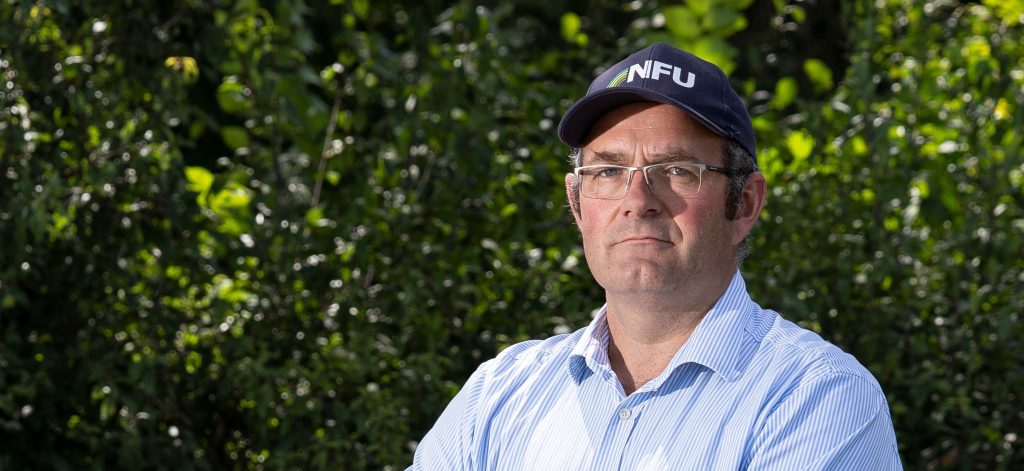
Bradshaw stated: “The Secretary of State recognised that volatility in the global energy market has a huge impact on our food supply chains here and they are watching this very closely.
“It’s clear that transparency and fairness over fuel and fertiliser prices is critical, and we’ve been asking for this for a long time, regardless of market volatility. It’s particularly urgent as farmers and growers are busy getting crops in the ground and boosting grass growth ahead of spring grazing.
“Some farmers are only being made aware of the price they will pay once products have been delivered onto farm, making it difficult to decline or challenge the price. This limits their ability to make informed decisions and erodes trust.
“This is also about long-term solutions. We’ve already seen this situation play out with the Russian invasion of Ukraine which drove an ongoing cost-of-living crisis here. And, with the removal of farm support which added a layer of resilience for many farm businesses, farmers are more exposed than ever to global markets. We need to find ways to prevent UK farm businesses becoming collateral damage to global politics.
“While the impact on food production and food price inflation will depend on what happens over the coming weeks, it is yet another sobering reminder of the need to build resilience in UK farming. We have to build our ability to withstand global shocks so we can continue to produce food for the 70 million consumers of the UK, and the Secretary of State recognised that.”