
Following the release of the latest inflation figures from the Office for National Statistics (ONS), the Food and Drink Federation (FDF) has responded, calling for Government to “reduce unnecessary regulatory burdens” to support both manufacturers and consumers.
The overall consumer prices index (CPI) rose by 4% in the 12 months to January 2024, unchanged from its December 2023 rate. ONS said that the unchanged annual rate between December 2023 and January 2024 was a result of prices falling by 0.6% on the month, the same rate as it was between December and January a year earlier.
ONS reported that the annual rate of food inflation had fallen from 8% in December 2023 to 7% in January 2024, the lowest annual rate since April 2022. The fall to 7% was the 10th consecutive month in which the annual rate had eased.
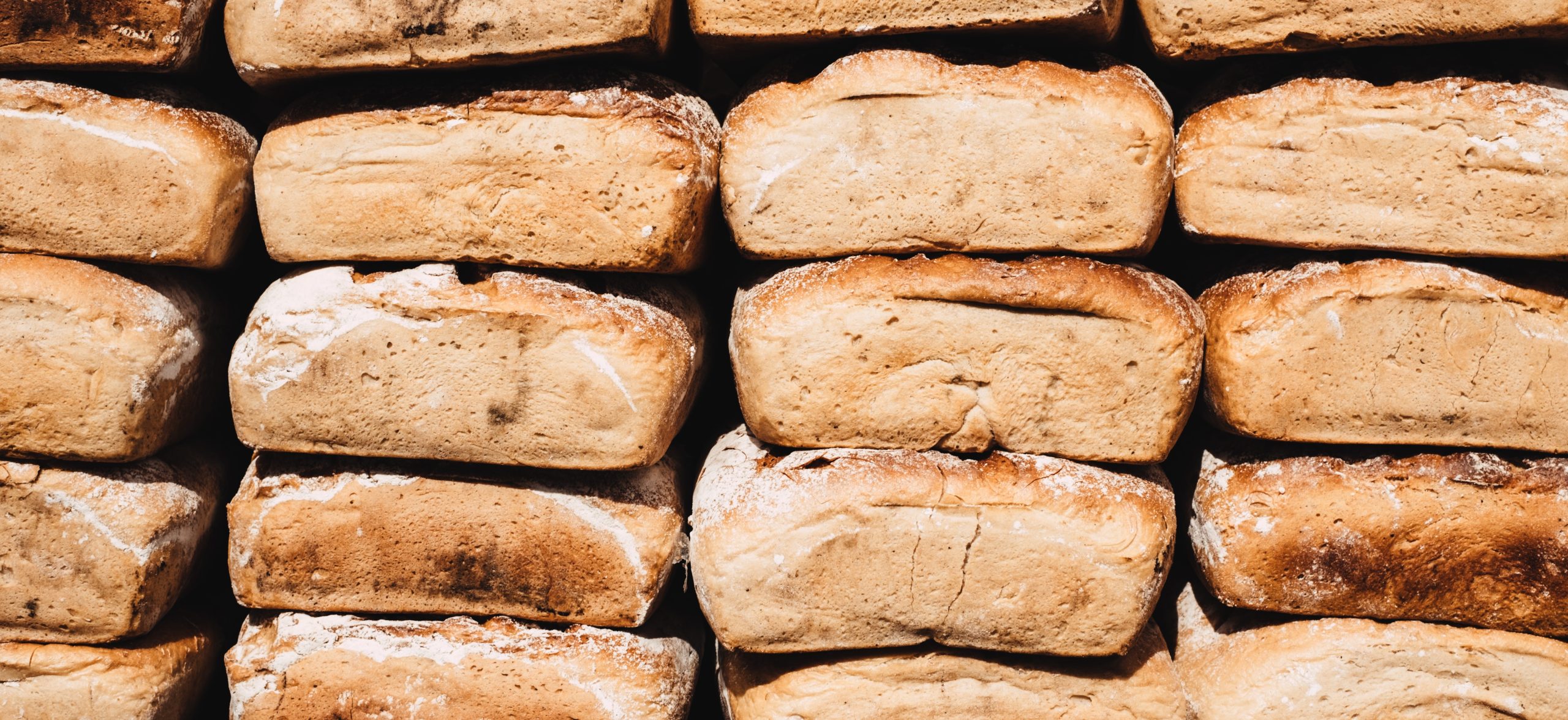
According to ONS, the easing in the annual rate for food was driven by bread and cereals, where prices fell by 1.3% on the month, compared with a rise of 0.2% a year prior. The figures showed that the monthly fall was the largest since May 2021 – items providing larger negative contributions included cream crackers, sponge cake and chocolate biscuits.
Responding to the latest figures, Kris Hamer, director of insight at the British Retail Consortium (BRC), said: “There was some good news for households, as food inflation fell for the 10th consecutive month, with condiments and dried vegetables seeing large month-on-month falls in price.
“With the headline inflation rate failing to fall for the second consecutive month there is no space for complacency. Government should recognise the cumulative impact of their policies – from rises in business rates to its new packaging levy – at a time when minimum wages are seeing the biggest rise on record and border checks are being implemented. Ultimately, if these costs continue rising unabated, it is inevitable that they will filter back into the price paid by households.”
Inflation impacted by global challenges
FDF director of sustainability and growth Balwinder Dhoot commented on the impact of global challenges on inflation rates, saying: “It’s encouraging to see a decline in food and drink inflation to 7% in January. Any reduction is important to households struggling to afford higher food bills, and for businesses who are paying higher salaries at a time when they are continuing to streamline production costs to deliver competitive prices for shoppers.
“Unpredictable weather patterns persistently impact agricultural yields. Ongoing navigation challenges in the Red Sea, coupled with rising shipping costs, may soon exert pressure on energy prices, and, therefore, on food prices, given the energy-intensive nature of the food and drink industry. The extent of this impact hinges on the duration of ship diversions from the Suez Canal and any escalations in the Middle East.
“We are also seeing increased regulatory costs being put on industry by Government. To support food and drink manufacturers and help hard pressed shoppers, the Government must reduce unnecessary regulatory burdens and urgently reassess costly ‘not for EU’ labelling requirements for food sold in Great Britain.”