

The results were drawn from a sample of 9,629 households, after Worldpanel studied the effects of GLP-1 drugs on purchasing behaviour since March 2024.
The number of British households with a GLP-1 drug user has risen from 6.3% in February this year to 8.5% in August. Today, 2.6 million adults in Great Britain are using weight-loss medication.
Worldpanel said that at 8.5%, GLP-1 users were now found in as many British households as vegetarians and pescatarians combined.
Pills now account for 11.2% of GLP-1 users, despite only recently receiving approval in June 2026. Men were also found to be driving growth, making up 32% of users, up from 23% in February. That equated to a near doubling of male users at 830,000 men, up from 440,000 in February, said Worldpanel.
Nishita Pattni, senior consultant at Worldpanel by Numerator, commented: “GLP-1 users are now found in as many British homes as some of Great Britain’s best-known food and drink brands, and growth is accelerating. In just six months, between February and August 2026, user numbers rose almost as much as they did in the whole of the previous year. For many people, a daily pill is far easier than an injection, and with the surge in male users, we only expect the appeal of these drugs to grow.”
Shopping baskets lose £389 a year in grocery spend
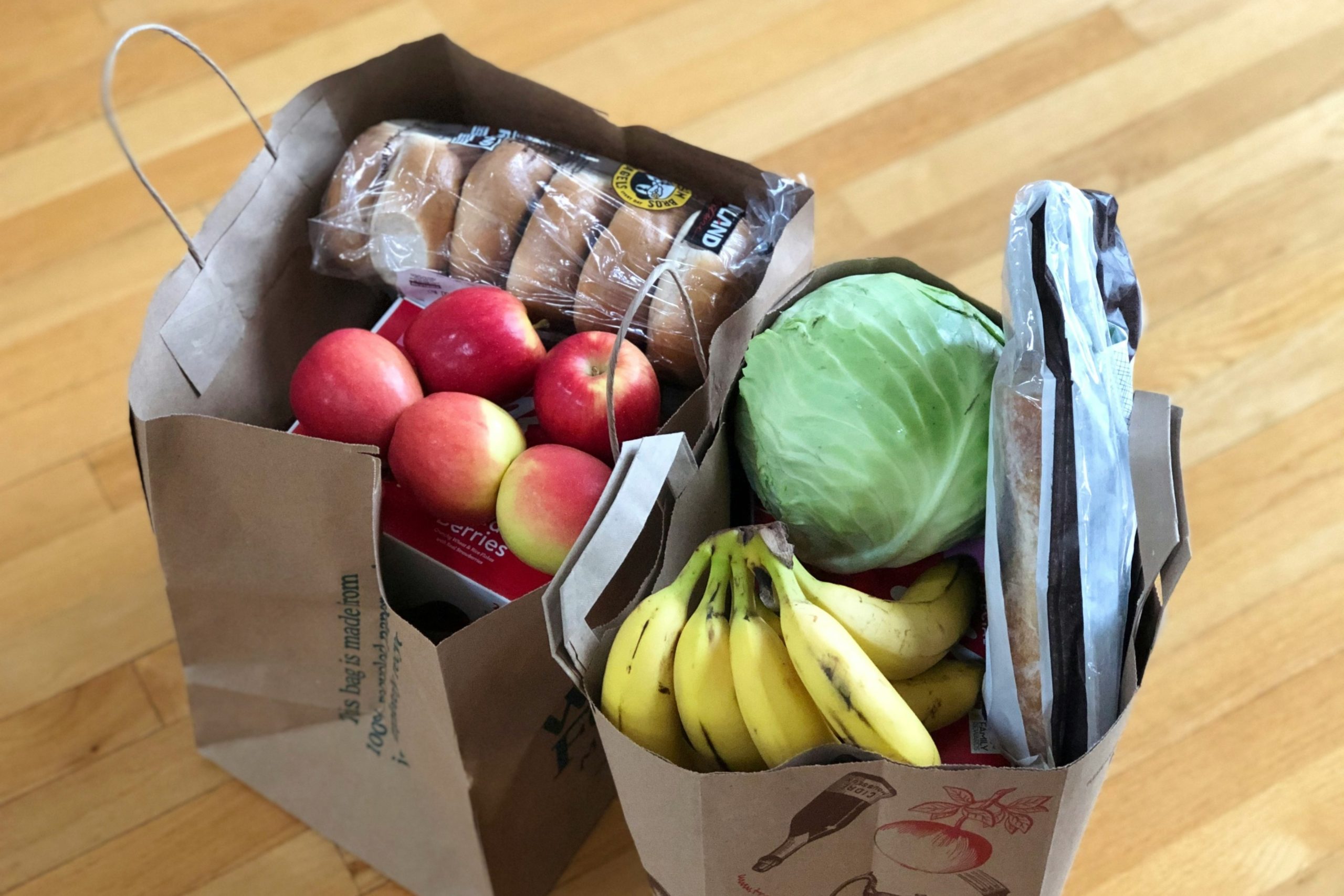
In June, Worldpanel reported that the impact of GLP-1s on grocery spend was £780 million, and this has now risen to £1 billion, equivalent to £389 a year displaced from user households’ shopping baskets.
Spend and volume were said to be falling at a similar rate overall, and Worldpanel said that products associated with impulse and indulgence purposes had taken the biggest hit. Spend on crisps fell by 15%, which Worldpanel labelled as “one of the clearest signs” of reduced impulse consumption as users snack less.
In contrast, Worldpanel observed how easy, portion-controlled options were gaining ground, with frozen ready meals seeing a 30% uplift in volume. While ‘treating’ among users may be in decline, it said this pointed to the continued appeal of some “small, easy-to-digest, everyday comforts”.
Chantel Kennaugh, head of public sector and nutrition at Worldpanel by Numerator stated: “Too often, the GLP-1 impact is framed as a story about value or volume decline, but there’s a much more interesting story sitting behind this. From a grocery perspective, this new audience is being more mindful about what and how they eat. The key for retailers is how to support them, without isolating them. This might be as simple as producing clear labels that highlight nutrients like high protein or ensuring ranges are available in smaller portions sizes.
“Our estimates suggest that GLP-1 usage is set to surpass 10% of GB households in 2027. This is not a flash-in-the-pan trend, but a seismic change that requires retailers and manufacturers to re-think their strategies.”