

The authoritative independent voice of the UK food industry

The authoritative independent voice of the UK food industry

News

AHDB finds 76.8% of farms to be affected by IHT changes

3 Feb, 2025

AHDB has revealed that over three quarters of farms in England and Scotland of 50 hectares (124 acres) or more in size will be affected by the Inheritance Tax changes.

Interested in reaching the food industry?

Explore our media pack for all of our advertising opportunities and partnership options.

The Agriculture and Horticulture Development Board (AHDB) has revealed that over three quarters of farms in England and Scotland of 50 hectares (124 acres) or more in size will be affected by the changes to Inheritance Tax.

AHDB has calculated 42,204 out of 54,938 farms (76.8%) across the two nations will be impacted by the new tax rules, which will see the full 100% relief from Inheritance Tax restricted to the first £1 million of combined agricultural and business property, from April 2026.

The study looks at average balance sheet data mainly sourced from Defra, the Farm Business Survey and the Scottish Government. More than half affected are involved in cereals or general cropping production as their main enterprise, with the rest predominantly livestock producers or mixed farming operations.

AHDB analyst Tom Spencer said: “Our calculations show that cereals and general cropping farms are the most likely to be affected due to their scale and asset size. For livestock farms, it is those businesses with single person ownership that are most at risk.”

AHDB reported that due to the low rate of return on net current assets in farming, the most cost-effective way a cereals producer could pay their expected tax burden would be to sell parcels of land.

AHDB’s economics and analysis director, David Eudall, added: “The debate, on whether the change to Inheritance Tax is the right decision, is not for AHDB to comment on. Our priority is to help explain how this will impact many levy payers and support them on navigating a path through these challenges.  

“The first stage has been to identify the farms at risk, so they can review their own circumstances and implement appropriate actions. There are 300 working days until 1st April 2026, when the tax changes come into effect. This means 140 farming businesses across England and Scotland per working day, from today (28th January 2025) onwards, will need to ensure their business is set up to manage their tax implications.  

“It is critical for any affected farming enterprise to seek out expert tax and business planning advice. Succession planning was already important in agricultural farming businesses, now it is essential.”


Latest News

SPS deal welcomed by food industry

The new UK-EU deal has been agreed at the EU Summit in Brussels, with supermarkets and industry bodies welcoming the changes.

Find all this year’s winners and finalists here

Everything you need to know about the Food Management Industry Awards can be found through our dedicated website.

Some of the leading companies that have participated in the Food Management Today Industry Awards...

Keeping production moving amid supply chain disruption

Keeping production moving amid supply chain disruption

Ingredient shortages, transport delays and rising costs are putting pressure on food manufacturers and processors. Ben Beattie, director of Forbeats, looks at the contingency options available to businesses, the risks of switching materials or suppliers, and how toll processing could form part of a wider resilience strategy.

Water power

Water power

As climate volatility becomes a fact of life, says NFU Livestock Board chair Clare Wise, investment in water infrastructure becomes ever more pressing as the foundation of a resilient supply chain.

The impact of El Niño on food and drink businesses

The impact of El Niño on food and drink businesses

Eliot Bassett, managing director at foreign exchange and currency risk management service provider Lumon Pay, discusses how climate-related disruptions can have significant, long-lasting impacts across the global food and drink industry.

Keeping production moving amid supply chain disruption

Ingredient shortages, transport delays and rising costs are putting pressure on food manufacturers and processors. Ben Beattie, director of Forbeats, looks at the contingency options available to businesses, the risks of switching materials or suppliers, and how toll processing could form part of a wider resilience strategy.

Water power

As climate volatility becomes a fact of life, says NFU Livestock Board chair Clare Wise, investment in water infrastructure becomes ever more pressing as the foundation of a resilient supply chain.

The impact of El Niño on food and drink businesses

Eliot Bassett, managing director at foreign exchange and currency risk management service provider Lumon Pay, discusses how climate-related disruptions can have significant, long-lasting impacts across the global food and drink industry.

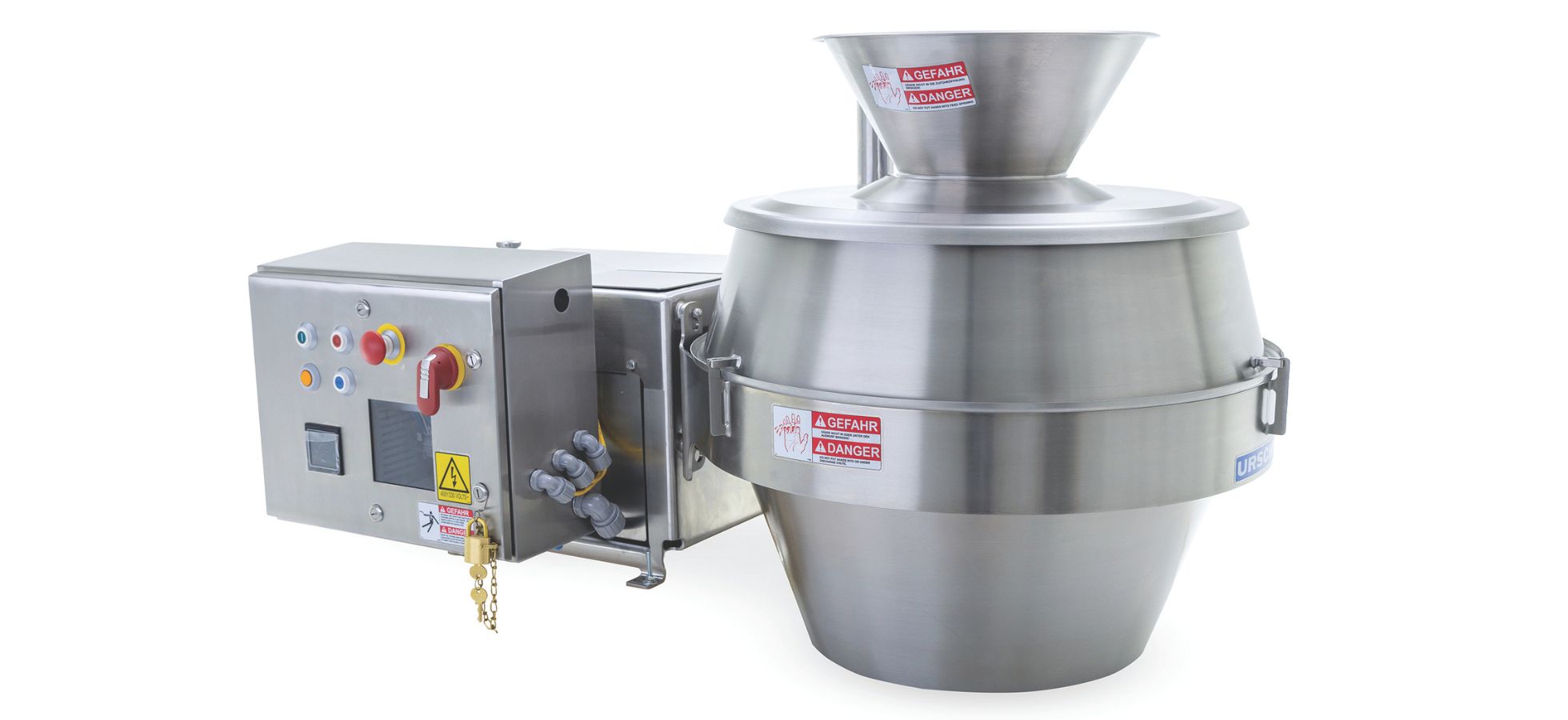
Cheese shredding solutions by Urschel

Leading cheese processors rely on optimised dicing and shredding solutions supplied by Urschel.

The Multivac Total Offer: end-to-end lifecycle support

Streamline your operations with a joined-up approach to equipment, materials and service solutions from Multivac.

Revolutionise your sterilisation: how the Static Steriflow solves real production challenges

Interfood Technology talks to Food Management Today about the Static Steriflow, engineered for versatility and reliability in food production environments.

Sign-up for our newsletter and alerts

"*" indicates required fields

Name*

Which emails would you like to receive from us?

Please select an option*
* By subscribing or opting in to any communication you also give permission for us to send you occasional general information updates about this media portfolio. You can opt out or change your preferences at any time.