

The authoritative independent voice of the UK food industry

The authoritative independent voice of the UK food industry

News

Researchers suggest new food groups should be added to allergen labels

20 Aug, 2025

Allergy research has found eight food groups were not included in the mandatory labelling of foods despite accounting for at least 1% of cases of food anaphylaxis.

Interested in reaching the food industry?

Explore our media pack for all of our advertising opportunities and partnership options.

Allergy research published in the Clinical & Experimental Allergy journal has found that eight foods or food groups were not included in the mandatory labelling of foods despite accounting for at least 1% of cases of food anaphylaxis.

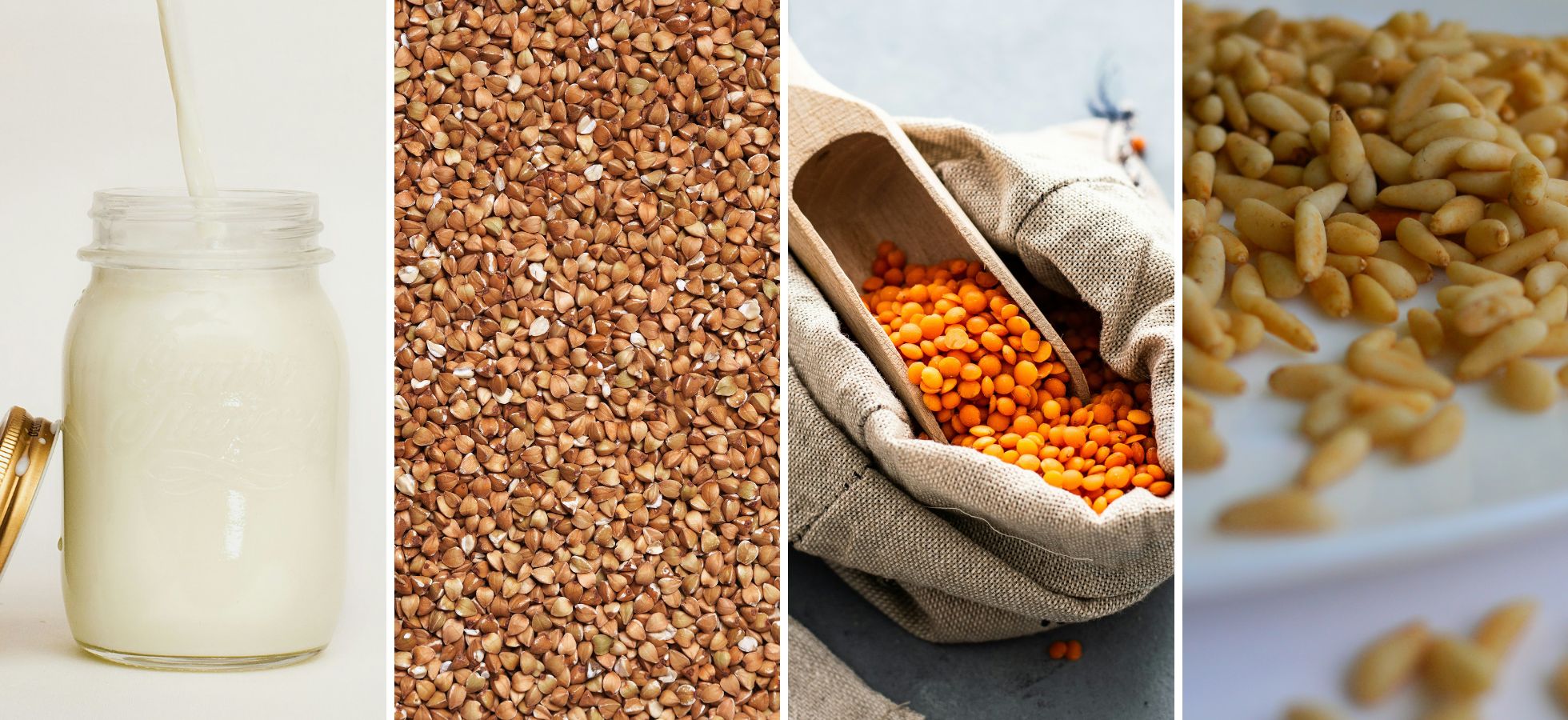
As a result of the findings, the researchers proposed that goat’s and sheep’s milk, buckwheat, peas and lentils, and pine nuts should be considered for inclusion in the European mandatory labelling of foods list.

This would be in addition to the current allergen labelling, which mandates that the 14 allergens must be emphasised on food labels.

The current food allergens are:

  • Celery
  • Cereals containing gluten (such as wheat, rye, barley and oats)
  • Crustaceans (such as prawns, crabs and lobsters)
  • Eggs
  • Fish
  • Lupin
  • Milk
  • Molluscs (such as mussels and oysters)
  • Mustard
  • Peanuts
  • Sesame
  • Soybeans
  • Sulphur dioxide and sulphites
  • Tree nuts

Looking at reported cases of food induced anaphylaxis reported to the Allergy Vigilance Network from 2002 to 2023, researchers found that eight foods were frequently involved and were not currently listed in the European regulation.

Aside from goat’s/sheep’s milk, buckwheat, peas/lentils and pine nuts, the other four emerging food allergens included alpha-gal, kiwifruit, apple and beehive products.

In the main four emerging allergens, goat’s/sheep’s milk induced anaphylaxis was reported to be severe, with a grade three reaction in 39 cases (46.4%) and a grade four reaction in four cases (4.8%), including two deaths in school.

Buckwheat reactions were reported in 71 cases, with two-thirds involving adults. Anaphylaxis in response to buckwheat was also severe, with 33 grade three reactions (46.5%) and one grade four reaction (1.4%).

Peas and lentil were analysed together because of their frequent cross-reactivity, researchers said, but even when taken isolated they nearly reached the level of 1%. Of the 55 cases of anaphylaxis, 28 (50.9%) were due to peas and 27 (49.1%) were due to lentil, with most cases occurring in children.

Of the 49 pine nut-induced anaphylaxis, 36 (73.5%) occurred in children, with 24 grade three reactions (49%).

Dr James Cooper, deputy director of food policy at the Food Standards Agency, commented: “People with food hypersensitivities should have information to help them make safe food choices, and we recognise there are a significant number of foods that can cause allergies or intolerances. This is why pre-packed foods must list all ingredients, why food businesses must provide clear information about allergens and why we encourage consumers to speak up about their allergies.

“Allergen labelling must be based on robust scientific evidence, part of our ongoing commitment to protecting consumers.”

The full publication can be accessed by clicking here.

Latest News

Greencore finds Q3 trading “strong”

Convenience food manufacturer Greencore Group Plc has issued a trading update for the 13 weeks ended 26th June 2026, reporting volume growth ahead of the market.

Celebrating inspirational women in the meat industry.

Voting is now open for the 2026 Women in Meat Industry Awards. Click here to vote now!

Everything you need to know about the Food Management Industry Awards can be found through our dedicated website.

Some of the leading companies that have participated in the Food Management Today Industry Awards...

The end of volume-led growth?

The end of volume-led growth?

Research in IGD’s latest UK Away From Home forecast suggests a shift away from traditional market behaviour, says senior insight analyst Shannon Goldsmith.

The end of volume-led growth?

Research in IGD’s latest UK Away From Home forecast suggests a shift away from traditional market behaviour, says senior insight analyst Shannon Goldsmith.

Healthy diets need practical, accessible solutions. Frozen food is ready to deliver.

Rupert Ashby, chief executive of the British Frozen Food Federation (BFFF), explains why frozen food will play a key role in helping people across the UK eat a healthier diet.

Supporting seafood careers through skills and training 

Seafish onshore training advisor, Richard Wardell, outlines some of the training opportunities available through the organisation for workers in the onshore sectors of the seafood industry.

Cheese shredding solutions by Urschel

Leading cheese processors rely on optimised dicing and shredding solutions supplied by Urschel.

The Multivac Total Offer: end-to-end lifecycle support

Streamline your operations with a joined-up approach to equipment, materials and service solutions from Multivac.

Revolutionise your sterilisation: how the Static Steriflow solves real production challenges

Interfood Technology talks to Food Management Today about the Static Steriflow, engineered for versatility and reliability in food production environments.

Sign-up for our newsletter and alerts

"*" indicates required fields

Name*

Which emails would you like to receive from us?

Please select an option*
* By subscribing or opting in to any communication you also give permission for us to send you occasional general information updates about this media portfolio. You can opt out or change your preferences at any time.