
The authoritative independent voice of the UK food industry

The authoritative independent voice of the UK food industry

News

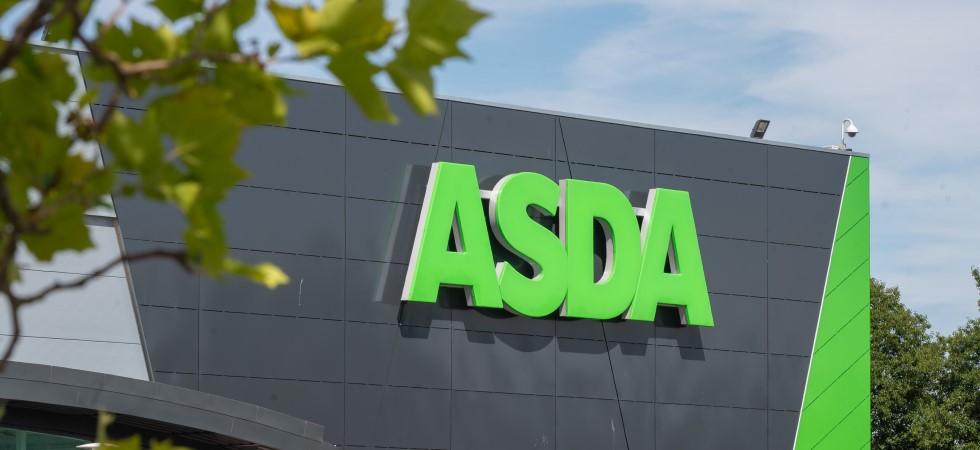
Asda warns inflation is “stubbornly high”

24 Sep, 2025

Asda's Income Tracker has found that 60% of UK households saw a drop in weekly disposable income in August, as rising costs for essentials like food and transport continue to outpace wage growth.

Interested in reaching the food industry?

Explore our media pack for all of our advertising opportunities and partnership options.

Asda’s Income Tracker has found that 60% of UK households saw a drop in weekly disposable income in August, as rising costs for essentials like food and transport continue to outpace wage growth.

The gap between income and everyday costs is widening, said Asda, especially for lower-income households. It highlighted that these households faced a shortfall of £74 per week between earnings and what they need to spend on everyday essentials.

The retailer found that:

  • Inflation remains “stubbornly high” at 3.8%, its joint-highest level since January 2024.
  • Food and non-alcoholic drink prices increased for the fifth month in a row, reaching 5.1%, which was the highest level since January 2024.
  • Low-income households were the “hardest hit”, with disposable incomes falling by 11.6%, 31.8% and 3.2% respectively across the bottom 60% of earners.
  • Middle-income households, which it said were “typically more stable”, saw income fall for the second consecutive month, with further declines expected if inflation persists.
  • High-earning households “bucked the trend” with wage growth outpacing inflation, shielding them from the cost of living pressures.

Economics consultancy Cebr, which produces the Income Tracker on behalf of Asda, has warned that if the current trajectory persists, the UK risks evolving into a ‘dual-speed’ economy, whereby earnings growth remains strong for the highest earners, while the lowest earners see their incomes flatline.

Sam Miley, head of forecasting and thought leadership at Cebr, said: “The Income Tracker showed its weakest annual growth in over two years in August, as inflation remained sticky at nearly twice the Bank of England’s target. The fact that inflation is concentrated in essential spending categories is bad news for consumers, who are seeing more of their post-tax income covering food and household bills.

“Looking ahead, there is a risk that the Income Tracker starts to decline as we head into the crucial fourth quarter, presenting a risk to business health too.”


Latest News

SPS deal welcomed by food industry

The new UK-EU deal has been agreed at the EU Summit in Brussels, with supermarkets and industry bodies welcoming the changes.

Find all this year’s winners and finalists here

Everything you need to know about the Food Management Industry Awards can be found through our dedicated website.

Some of the leading companies that have participated in the Food Management Today Industry Awards...

Keeping production moving amid supply chain disruption

Keeping production moving amid supply chain disruption

Ingredient shortages, transport delays and rising costs are putting pressure on food manufacturers and processors. Ben Beattie, director of Forbeats, looks at the contingency options available to businesses, the risks of switching materials or suppliers, and how toll processing could form part of a wider resilience strategy.

Water power

Water power

As climate volatility becomes a fact of life, says NFU Livestock Board chair Clare Wise, investment in water infrastructure becomes ever more pressing as the foundation of a resilient supply chain.

The impact of El Niño on food and drink businesses

The impact of El Niño on food and drink businesses

Eliot Bassett, managing director at foreign exchange and currency risk management service provider Lumon Pay, discusses how climate-related disruptions can have significant, long-lasting impacts across the global food and drink industry.

Keeping production moving amid supply chain disruption

Ingredient shortages, transport delays and rising costs are putting pressure on food manufacturers and processors. Ben Beattie, director of Forbeats, looks at the contingency options available to businesses, the risks of switching materials or suppliers, and how toll processing could form part of a wider resilience strategy.

Water power

As climate volatility becomes a fact of life, says NFU Livestock Board chair Clare Wise, investment in water infrastructure becomes ever more pressing as the foundation of a resilient supply chain.

The impact of El Niño on food and drink businesses

Eliot Bassett, managing director at foreign exchange and currency risk management service provider Lumon Pay, discusses how climate-related disruptions can have significant, long-lasting impacts across the global food and drink industry.

Cheese shredding solutions by Urschel

Leading cheese processors rely on optimised dicing and shredding solutions supplied by Urschel.

The Multivac Total Offer: end-to-end lifecycle support

Streamline your operations with a joined-up approach to equipment, materials and service solutions from Multivac.

Revolutionise your sterilisation: how the Static Steriflow solves real production challenges

Interfood Technology talks to Food Management Today about the Static Steriflow, engineered for versatility and reliability in food production environments.

Sign-up for our newsletter and alerts

"*" indicates required fields

Name*

Which emails would you like to receive from us?

Please select an option*
* By subscribing or opting in to any communication you also give permission for us to send you occasional general information updates about this media portfolio. You can opt out or change your preferences at any time.