
Grocery price inflation eased to 2.1% in the four weeks to 9th August 2026, marking the lowest rate since October 2024.
Like-for-like grocery inflation slowed to 2.1%, the lowest rate since October 2024. Numerator found that despite the further easing of price rises, spending returned to more normal levels following a boost last month. Shoppers spent £410 on groceries on average over the four weeks, £14.24 less than the last period.
Ocado was the fastest growing grocer, with sales up by 13.1% over the 12 weeks to 9th August 2026 compared with the same period of time a year ago. Ocado’s share moved up by 0.2% to 2.1% of the market.
Lidl gained the most share this period, adding 0.5% to take it to 8.8% of the market. It also saw the greatest uplift in shoppers, attracting 736,000 more through its doors compared to this time last year, as sales increased by 8.5%.
Accounting for 11.5% of the market, Asda sales decreased -0.2% year on year, marking its best recorded performance since March 2024.
Both Sainsbury’s and Morrisons gained 0.1% market share this period, at 15.2% and 8.5%, respectively. Sales at Sainsbury’s grew by 3.5%, with Morrisons sales at 3.3%.
Take home grocery sales at convenience specialist Co-op grew at 5.1%. Co-op now holds 5.5% market share, its highest since September 2025, while Tesco achieved a market share of 27.8%, with sales growth of 1.8%.
Aldi attracted an additional 488,000 shoppers this period. The discounter now holds 10.7% market share, with sales increasing by 1.1% compared with the same period last year.
Both Waitrose and Iceland held market share this period, accounting for 4.5% and 2.3% of the market res,pectively. Iceland’s sales growth of 2.4% is the highest since February this year, while Waitrose sales increased by 2.8%. Grocery-only sales at M&S increased by 15.9% over the 12 weeks.
Sally Ball, business unit director at Worldpanel by Numerator, commented: “With inflation slowing again, this marks the fifth consecutive month of easing prices. Shoppers are feeling the relief with 39% now feeling financially comfortable, marking the highest level of financial confidence since November 2021.
“But it’s by no means the same picture for all, with 20% reporting that they are struggling, and this has a clear impact on spending decisions. Among these households, 30% are more likely to prioritise grocery essentials over additional summer spending such as holidays and travel.”
Numerator found that shoppers turned to promotions to keep costs down, with 31.3% of sales including a deal last month, which was the highest level this year. While premium own label moved back into double figures for the first time since March at 11.1%, 96 million trips included a value own label product in the last four weeks; however, Numerator said that this remains a smaller and declining part of the market.
Shoppers steer away from cooking in the heat
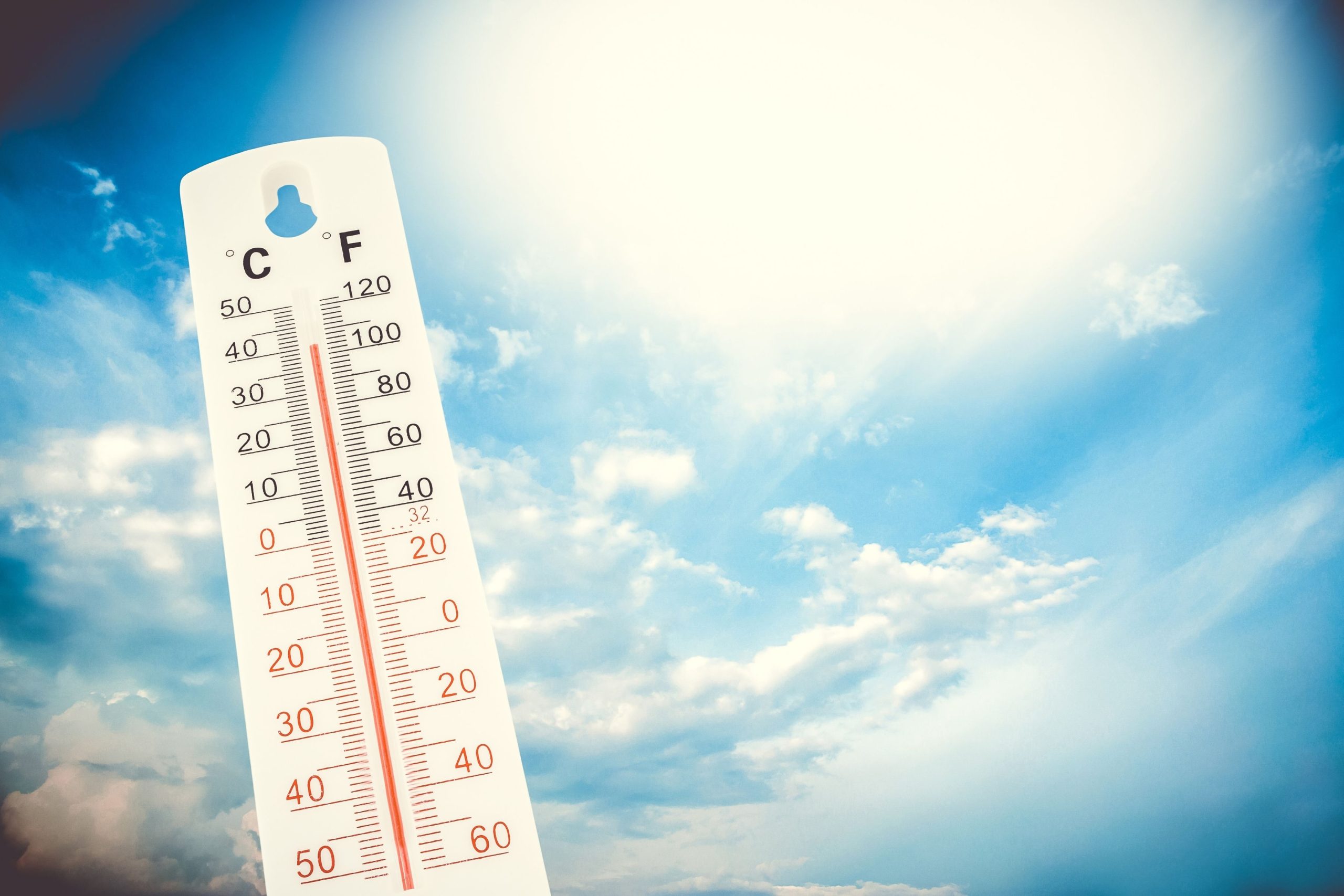
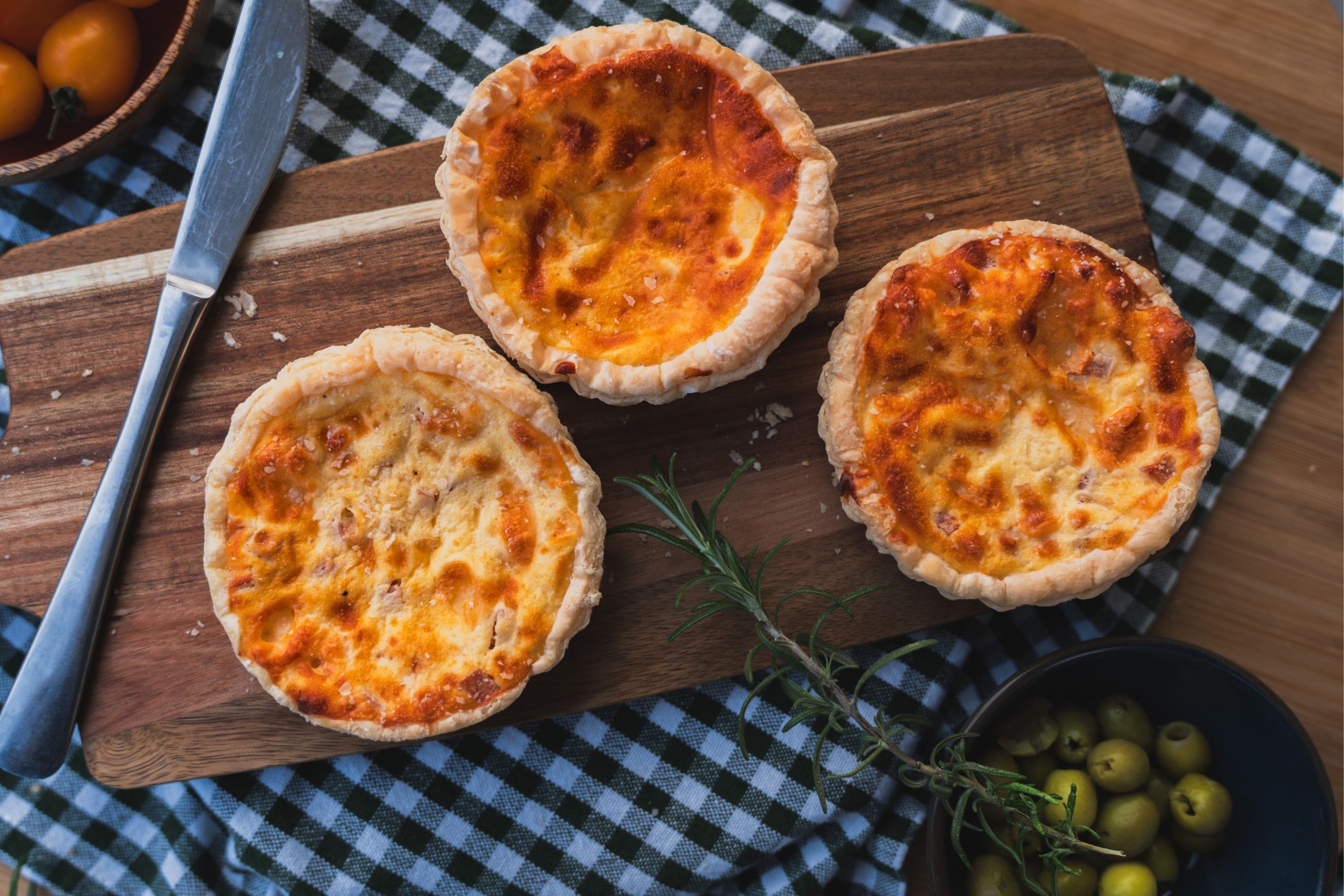
With the hot weather continuing into August, convenient summer favourites performed well, Numerator reported. Dips were up 23.3%, with coleslaw close behind at 23.1% and potato salad up 22%. Chilled finger foods rose by 15.2%, chilled quiche by 15.8% and chilled olives were up 13.3%, as shoppers preferred to graze rather than cook.
Shoppers made an additional 6.2 million trips to the freezer aisle this month compared to the same period last year. Ice cream and sorbet led the charge, with sales up 26.1% on last year. Frozen fruit sales were up 48.1%, outpacing the fresh fruit category.
Ball said: “The continued heat across the UK has certainly impacted the way people are eating and drinking. Earlier this summer we saw that mealtimes were being pushed later in the day, with 13% of evening meals now eaten after 8pm. Shoppers have been trying to stay cool this month, with soft drinks growing 15.1% in spend, while the freezer aisle saw shoppers stocking up on ice cream, sorbet and frozen fruit to beat the heat.”
Online remained the fastest growing channel, with an 8.3% uptick in shopper visits. Despite overall grocery inflation slowing, online baskets are getting smaller, and at £86.28, average spend is now £1.13 less than it was a year ago.