
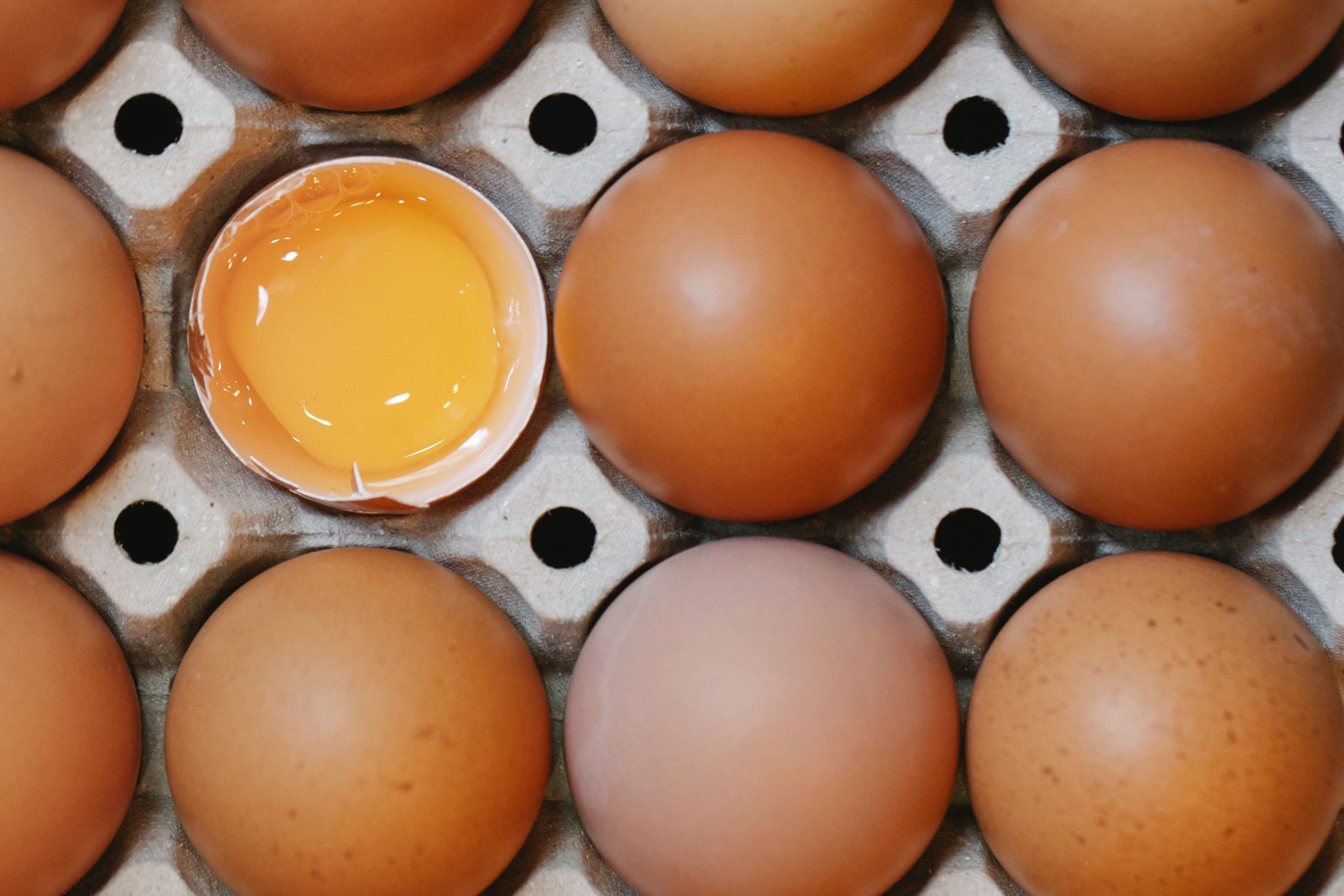
UKHSA said it would work with the Food Standards Agency (FSA) and public health agencies to investigate the outbreak. While investigations into the source continue, the cases have reportedly been linked to food businesses identified as using imported eggs.
The agency stated that at this time, there is no identified link to UK-produced eggs or poultry.
According to National Farmers’ Union (NFU) Scotland, the outbreak “reinforces its call” for imported food to meet standards equivalent to those required of Scottish and UK producers, protecting consumers aiming to ensure that domestic farmers are not undercut by products produced to different standards.
Government reported that the confirmed cases ranged in age from 0 years to 90 years, with a median age of 30. It also said that evidence gathered suggested that the outbreak was not associated with international travel, as only six out of 207 cases (3%) reported travel to countries outside of the UK.
The Outbreak Control Team utilised the ECDC EpiPulse platform to notify member countries of the outbreak, and to understand whether other countries had identified genetically related Salmonella Enteritidis cases.
Food chain investigations are now ongoing to identify the source and origin of the contamination responsible for the illness, but at this time, there is no identified link to UK-produced eggs or poultry.
British Egg Industry Council calls for consumers to look for British Lion mark
Nick Allen, chief executive of the British Egg Industry Council, commented: “It is deeply concerning that imported eggs are once again under scrutiny in connection with a serious Salmonella outbreak.
“We have repeatedly raised concerns about the risks associated with imported eggs and egg products with Government, most recently through our ‘Shell Shocked’ report. British Lion egg producers have invested heavily in world-leading food safety controls, including mandatory Salmonella vaccination, traceability and independent auditing, yet increasing volumes of imports produced under less stringent regulations continue to arrive.
“There must be a level playing field. Imported eggs and egg products entering the UK should meet standards equivalent to those expected of British producers if we are serious about protecting British consumers. Food businesses and caterers should not have to compromise on food safety when sourcing eggs.
“Consumers and businesses can look for the British Lion mark as a clear sign of assurance. British Lion eggs are recognised by the Food Standards Agency as safe to be served runny or even raw to vulnerable groups.”
NFU Scotland highlights importance of UK eggs
NFU Scotland poultry chair Matthew Steel stated: “This is a deeply concerning outbreak and our thoughts are first and foremost with everyone who has been affected.
“It also highlights why consumers should be able to choose Scottish and UK eggs with confidence, whether they are buying them in a supermarket, an independent shop or eating out.
“Scottish and UK commercial egg producers operate under strict national Salmonella control and testing requirements. Many producers also participate in additional assurance schemes such as the British Lion scheme, but consumers should be reassured that UK producers outside that scheme are still required to meet the UK’s national Salmonella control requirements.”
“Imported eggs can be produced under different requirements, including using production systems that would not be permitted here.”
Steel continued: “The concern is that imported eggs largely enter wholesale and food service markets, where consumers often have very little information about where the eggs used in their meal or food product have come from.
“There is also a much wider issue about differences in production standards. Scottish and UK egg producers operate to rules on food safety, animal health and welfare and production systems that come at a cost. Yet imported eggs can be produced under different requirements, including using production systems that would not be permitted here.
“Scottish farmers are rightly expected to meet high standards. Food coming into the country should meet equivalent standards. That is fundamental both to protecting consumers and maintaining a level playing field for our producers.
“We need far greater transparency about the origin of eggs used in foodservice. Consumers should not have to guess where the eggs in the food they are eating have come from. That’s why we’re calling for country-of-origin labelling to extend beyond supermarket shelves into hospitality and wholesale, so people can make an informed choice wherever they eat.”
NFU Poultry board chair Will Raw said: “Our message to the public is clear. When shopping, look out for the British Lion or Laid in Britain logos, which provide the confidence, even for those vulnerable people, that the eggs are fully traceable back to the farm where they were laid and come from hens vaccinated against Salmonella, meaning these eggs are safe to eat runny or raw.”