

According to the Institute of Grocery Distribution (IGD), new research from the University of Oxford suggests that applying the updated Nutrient Profiling Model (NPM18) to existing HFSS restrictions could see the number of products in scope rise by almost a quarter.
The research was funded by the National Institute of Health and Care Research (NIHR), and questions were co-developed with the Office for health Improvement and Disparities (OHID). Analysis was conducted independently by the University of Oxford.
More products are likely to be classified as HFSS
The researchers assessed 15,514 products across 13 categories already covered by HFSS restrictions, using product information taken from Tesco, Sainsbury’s, Asda and Ocado (including M&S products) websites.
Under NMP 2018, 72% of products assessed were classified as high in fat, salt or sugar (HFSS), compared with 58% under the current NPM 2004/05.
Researchers found that of the products analysed, 84% would receive the same classification under both models. Of the 16% of products that changed classification, 93% moved from passing under NPM 2004/05 to failing under NPM 2018.
Breakfast cereals and yogurts among most affected products
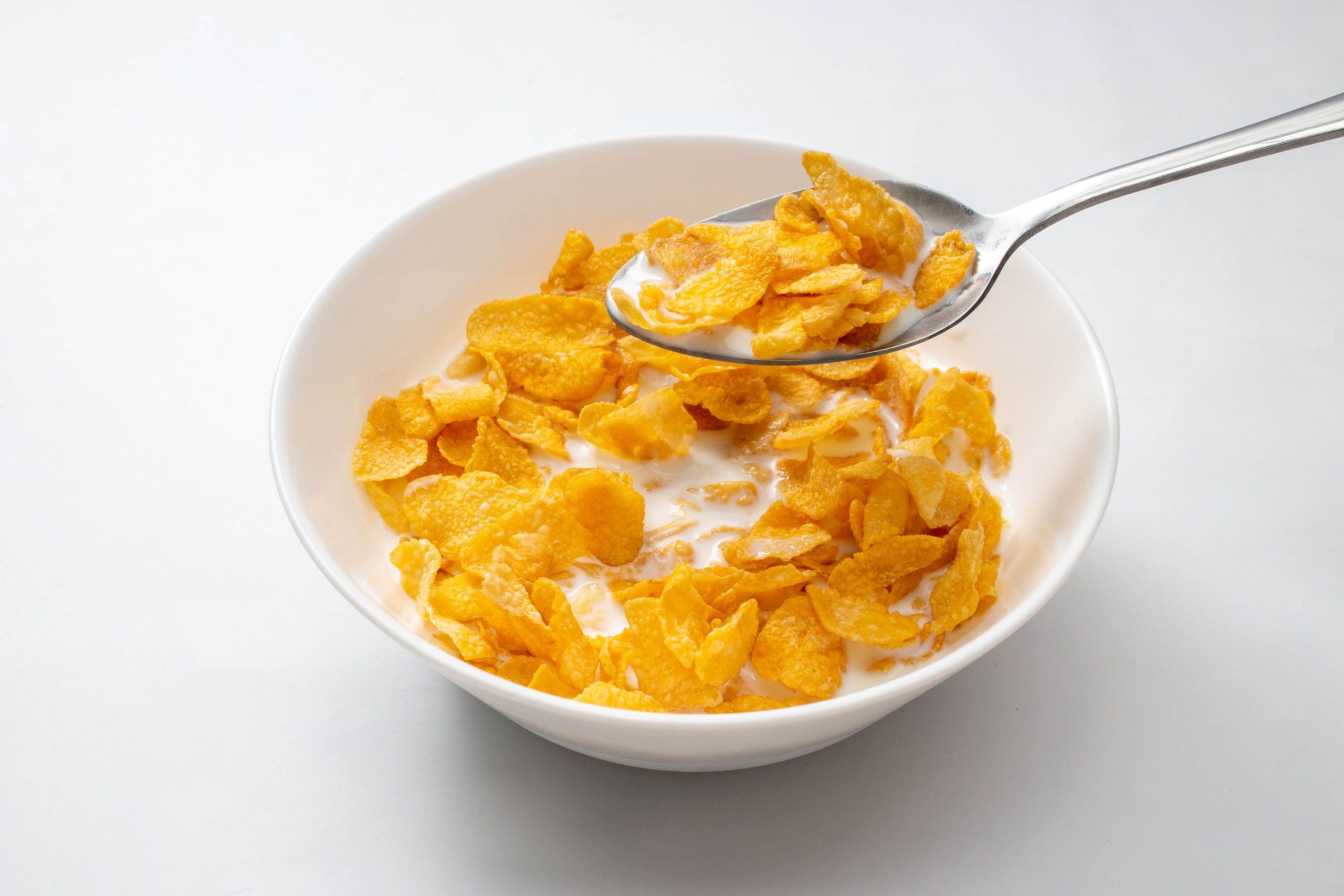
Among the categories most affected by the updated NPM 2018 are breakfast cereals and yogurts, with the pass rate for breakfast cereals falling from 79% to 39% and that of yogurts falling from 78% to 36%.
Ice cream and desserts also saw a reduction in passes, which confectionary cakes and biscuits saw little change, which IGD said was due to the fact that most products already failed the existing model. The main driver of change was reportedly the move from total sugars to free sugars under NPM 2018 alongside tighter scoring thresholds.
The Government consultation on applying NPM 2018 to existing advertising and promotions legislation closed on 17th June, but its response and final decisions are still awaited. IGD said that for businesses, the impact of NPM 2018 will “depend heavily” on their product portfolio.