

Tropic Biosciences said the reduced browning banana variety was intended for import, retail and consumption purposes, similar to the convention banana.
A letter signed by Farming Minister Stephen Morgan MP confirmed Defra’s satisfaction that the banana was precision bred, having consulted ACRE about whether or not the banana could be considered precision bred. Now, the company awaits approval from the Food Standards Agency (FSA) to give the banana food authorisation.
Tropic said it was developing extended shelf-life bananas, as well as varieties aimed at building natural resistance to major diseases including Panama disease TR4 and Black Sigatoka. It’s broader aim, it said, was to use precision breeding to tackle problems across the food supply chain, from reducing waste and extending shelf life to helping crops withstand some of the diseases faced by growers.
The company estimated that its precision-bred bananas could reduce food waste and CO2 equivalent emissions along the supply chain by more than 25%, potentially supporting an annual reduction in CO2 emissions of more than nine million tonnes in the banana export market.
Speaking to Food Management Today, Simon Middleton, communications manager at Tropic Biosciences, commented: “Our slower-browning banana is designed to stay fresh-looking and appealing for longer after it has been cut, peeled or bruised. That has the potential to reduce waste by giving retailers, food businesses and consumers more time to use and enjoy the fruit.
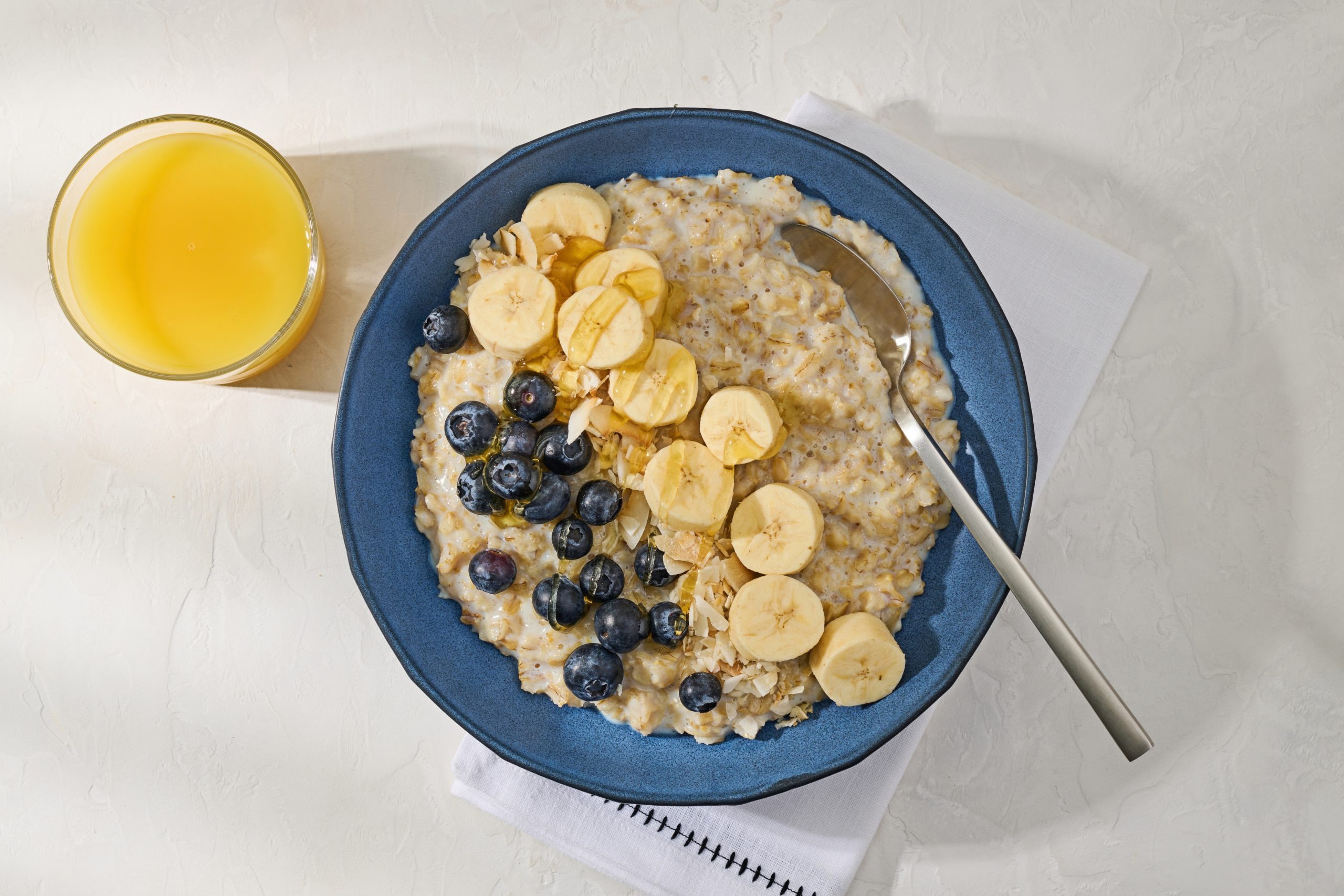
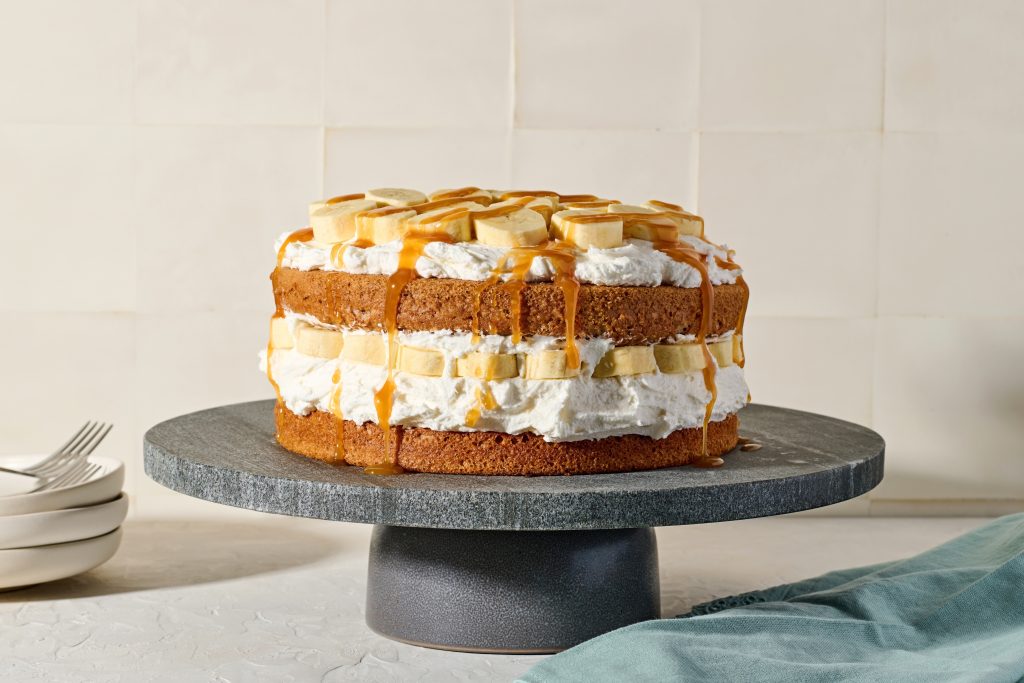
“It also opens up opportunities for bananas in areas where conventional Cavendish bananas can be difficult to use because they brown quickly after slicing. That includes prepared fruit salads, breakfast pots, lunchboxes, smoothies and other fresh-cut products.”
Middleton also highlighted that the bananas would not change in taste: “They taste like the familiar Cavendish banana people already know and enjoy. We haven’t changed the banana’s flavour. The important difference is that the flesh remains fresh-looking for longer after cutting or peeling.
“We’ve also carried out sensory testing, covering flavour, appearance, texture, mouthfeel and aroma, with very positive results.”
“The slower-browning characteristic makes the banana particularly interesting for foodservice and prepared foods, where sliced bananas have traditionally been difficult to use because they brown so quickly.”
He went on to say that the banana presented opportunity for entry into foodservice and retail markets: “We are working towards commercial introduction from 2027, subject to completing the Food Standards Agency authorisation process. There are also practical steps involved in scaling production and working with growers, distributors and retailers, so we’re not announcing a specific supermarket launch date at this stage.
“Importantly, supermarkets are only part of the opportunity. The slower-browning characteristic makes the banana particularly interesting for foodservice and prepared foods, where sliced bananas have traditionally been difficult to use because they brown so quickly.”
Middleton said that the Defra marketing approval was a “significant milestone” for Tropic as the banana was now recorded on England’s Precision Breeding Register.
Middleton continued: “However, it’s important to distinguish that decision from food authorisation. We are now going through the separate Food Standards Agency process, which needs to be completed before we can bring the banana to consumers in England.
“It’s particularly important to us because Tropic is a British company, founded in Norwich, and this banana was developed by our team here.”
In addition to bananas, the biotechnology company also looks at precision breeding in rice, aiming to develop improved varieties, including work on disease resistance and increased yield.