
The authoritative independent voice of the UK food industry

The authoritative independent voice of the UK food industry

News

Co-op bans single-use plastics

25 Sep, 2018

Co-op has announced an end to single-use plastic, seeing around 60 million plastic carrier bags removed in a phased rollout and replaced with an ‘environmentally-friendly’ alternative. The move is part of a new ethical strategy to be launched by the retailer, which will tackle plastic pollution as well as help combat food waste, increase healthy […]

Interested in reaching the food industry?

Explore our media pack for all of our advertising opportunities and partnership options.

Co-op has announced an end to single-use plastic, seeing around 60 million plastic carrier bags removed in a phased rollout and replaced with an ‘environmentally-friendly’ alternative.

The move is part of a new ethical strategy to be launched by the retailer, which will tackle plastic pollution as well as help combat food waste, increase healthy eating, save energy and encourage trading fairly.

The company’s blue-print sets out how Co-op will remove single-use own-brand plastic products and reduce its overall use of plastic packaging within five years.

As part of the commitment, lightweight compostable carrier bags, which can be used to carry shopping home and then be re-used as food waste caddy liners, will be rolled out to almost 1,400 Co-op food stores.

Co-op’s pledge on plastic will see all its own-brand packaging become easy to recycle by 2023.

It has promised to use a minimum of 50% recycled plastic in bottles, pots, trays and punnets by 2021.

All own-brand black and dark plastic packaging, including black ready meal trays, will be eliminated by 2020.

Jo Whitfield, retail chief executive, Co-op, said: “The price of food wrapped in plastic has become too much to swallow and, from today, the Co-op will phase out any packaging which cannot be reused.

“The first step to remove single-use plastic, will be to launch compostable carrier bags in our stores. They are a simple but ingenious way to provide an environmentally-friendly alternative to plastic shopping bags.

“We can’t do it alone, which is why partnerships are key to our plan.”

The Future of Food report will be unveiled at a supplier conference on Thursday 27th September 2018 and will set out Co-op’s vision to tackle a range of topics.

The new bags will substitute standard plastic single-use carriers with fully certified compostable carriers of the same size and strength at 5p.

The change will initially be in stores where compostable carriers are accepted in food waste collections.

Co-op will be speaking with the remaining local councils to seek to extend coverage to more stores.

Latest News

SPS deal welcomed by food industry

The new UK-EU deal has been agreed at the EU Summit in Brussels, with supermarkets and industry bodies welcoming the changes.

Find all this year’s winners and finalists here

Everything you need to know about the Food Management Industry Awards can be found through our dedicated website.

Some of the leading companies that have participated in the Food Management Today Industry Awards...

Keeping production moving amid supply chain disruption

Keeping production moving amid supply chain disruption

Ingredient shortages, transport delays and rising costs are putting pressure on food manufacturers and processors. Ben Beattie, director of Forbeats, looks at the contingency options available to businesses, the risks of switching materials or suppliers, and how toll processing could form part of a wider resilience strategy.

Water power

Water power

As climate volatility becomes a fact of life, says NFU Livestock Board chair Clare Wise, investment in water infrastructure becomes ever more pressing as the foundation of a resilient supply chain.

The impact of El Niño on food and drink businesses

The impact of El Niño on food and drink businesses

Eliot Bassett, managing director at foreign exchange and currency risk management service provider Lumon Pay, discusses how climate-related disruptions can have significant, long-lasting impacts across the global food and drink industry.

Keeping production moving amid supply chain disruption

Ingredient shortages, transport delays and rising costs are putting pressure on food manufacturers and processors. Ben Beattie, director of Forbeats, looks at the contingency options available to businesses, the risks of switching materials or suppliers, and how toll processing could form part of a wider resilience strategy.

Water power

As climate volatility becomes a fact of life, says NFU Livestock Board chair Clare Wise, investment in water infrastructure becomes ever more pressing as the foundation of a resilient supply chain.

The impact of El Niño on food and drink businesses

Eliot Bassett, managing director at foreign exchange and currency risk management service provider Lumon Pay, discusses how climate-related disruptions can have significant, long-lasting impacts across the global food and drink industry.

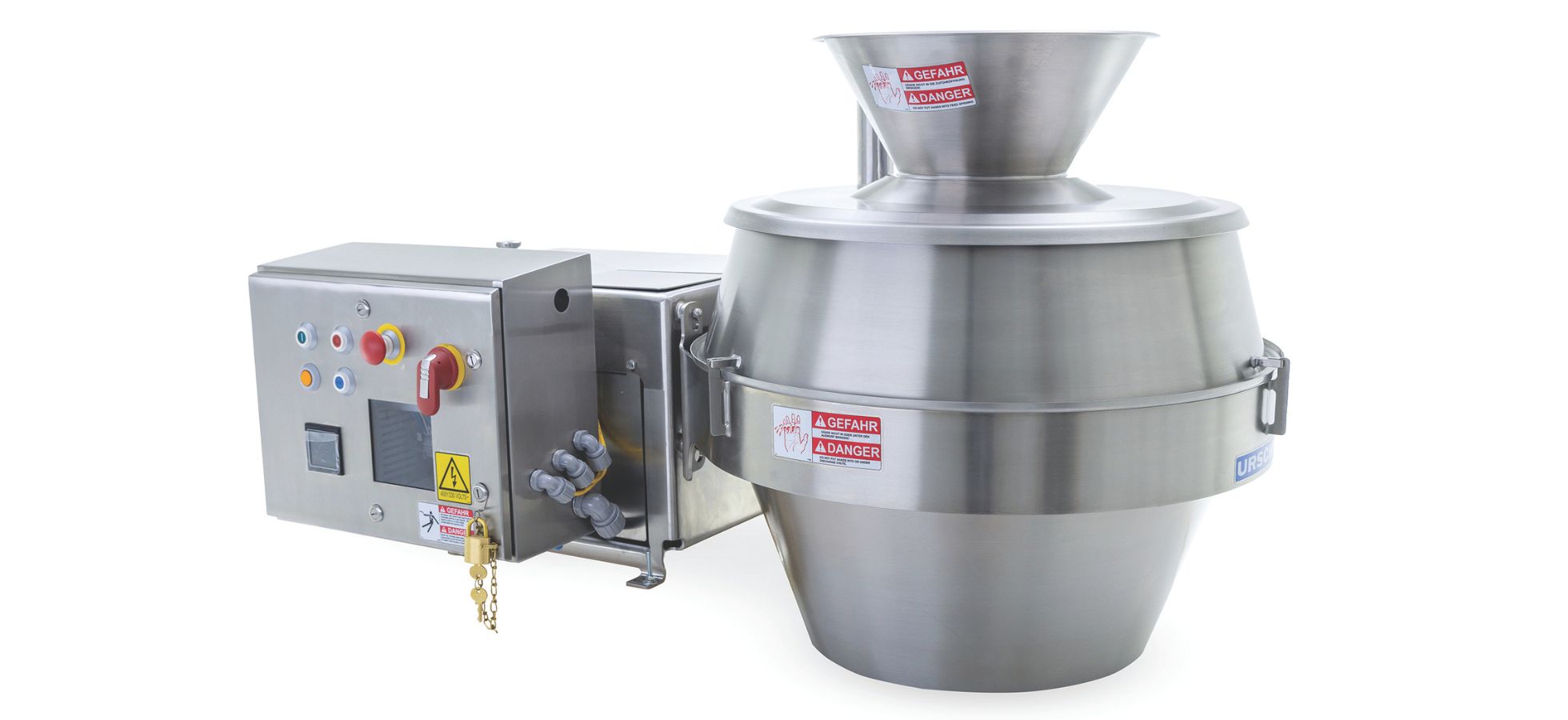
Cheese shredding solutions by Urschel

Leading cheese processors rely on optimised dicing and shredding solutions supplied by Urschel.

The Multivac Total Offer: end-to-end lifecycle support

Streamline your operations with a joined-up approach to equipment, materials and service solutions from Multivac.

Revolutionise your sterilisation: how the Static Steriflow solves real production challenges

Interfood Technology talks to Food Management Today about the Static Steriflow, engineered for versatility and reliability in food production environments.

Sign-up for our newsletter and alerts

"*" indicates required fields

Name*

Which emails would you like to receive from us?

Please select an option*
* By subscribing or opting in to any communication you also give permission for us to send you occasional general information updates about this media portfolio. You can opt out or change your preferences at any time.