
The authoritative independent voice of the UK food industry

The authoritative independent voice of the UK food industry

News

Defra to assume responsibility for Groceries Code Adjudicator

9 Apr, 2026

Responsibility for the Groceries Code Adjudicator will transfer from the Department for Business and Trade to Defra from 1st July 2026.

Interested in reaching the food industry?

Explore our media pack for all of our advertising opportunities and partnership options.

Responsibility for the Groceries Code Adjudicator (GCA) will transfer from the Department for Business and Trade (DBT) to the Department for Environment, Food and Rural Affairs (Defra) from 1st July 2026.

The GCA aims to regulate the relationship between the UK’s largest grocery retailers and their direct suppliers by encouraging, monitoring and enforcing compliance with the Groceries Supply Code of Practice.

Government said the change would “strengthen fairness” across the UK’s food supply chain and “better support” farmers and food producers, with the change set to be implemented from 1st July 2026.

The change also implements a key recommendation from Baroness Minette Batters’ landmark Farming Profitability Review to streamline oversight of the grocery supply chain and strengthens links to the Agricultural Supply Chain Adjudicator (ASCA).

“Moving responsibility for the Groceries Code Adjudicator to Defra will support a more joined-up approach to fairness across the food supply chain.”

Farming Minister Dame Angela Eagle commented: “We are backing our farmers by creating a level playing right across the supply chain to ensure productive and profitable businesses can flourish.

“Moving responsibility for the Groceries Code Adjudicator to Defra will support a more joined-up approach to fairness across the food supply chain, while fully protecting its independence and statutory role.”

Groceries Code Adjudicator Mark White stated: “I am looking forward to working more closely with Defra to continue to ensure fair treatment of direct suppliers to the designated retailers.”

The transfer of the GCA builds on wider action reportedly taken by Government to ensure supply chains in the food sector are fair and transparent, including already introducing Fair Dealing rules for dairy and pigs.

The GCA will remain fully independent, and there will be no changes to its statutory role or enforcement powers. The Groceries Supply Code of Practice will continue to be owned by the Competition and Markets Authority, and further detail on implementation will be set out by the July transfer date.

Latest News

SPS deal welcomed by food industry

The new UK-EU deal has been agreed at the EU Summit in Brussels, with supermarkets and industry bodies welcoming the changes.

Celebrating inspirational women in the meat industry.

Order your tickets for the ceremony on 20th November 2026 at the Royal Lancaster Hotel, London

Everything you need to know about the Food Management Industry Awards can be found through our dedicated website.

Some of the leading companies that have participated in the Food Management Today Industry Awards...

Keeping production moving amid supply chain disruption

Keeping production moving amid supply chain disruption

Ingredient shortages, transport delays and rising costs are putting pressure on food manufacturers and processors. Ben Beattie, director of Forbeats, looks at the contingency options available to businesses, the risks of switching materials or suppliers, and how toll processing could form part of a wider resilience strategy.

Water power

Water power

As climate volatility becomes a fact of life, says NFU Livestock Board chair Clare Wise, investment in water infrastructure becomes ever more pressing as the foundation of a resilient supply chain.

The impact of El Niño on food and drink businesses

The impact of El Niño on food and drink businesses

Eliot Bassett, managing director at foreign exchange and currency risk management service provider Lumon Pay, discusses how climate-related disruptions can have significant, long-lasting impacts across the global food and drink industry.

Keeping production moving amid supply chain disruption

Ingredient shortages, transport delays and rising costs are putting pressure on food manufacturers and processors. Ben Beattie, director of Forbeats, looks at the contingency options available to businesses, the risks of switching materials or suppliers, and how toll processing could form part of a wider resilience strategy.

Water power

As climate volatility becomes a fact of life, says NFU Livestock Board chair Clare Wise, investment in water infrastructure becomes ever more pressing as the foundation of a resilient supply chain.

The impact of El Niño on food and drink businesses

Eliot Bassett, managing director at foreign exchange and currency risk management service provider Lumon Pay, discusses how climate-related disruptions can have significant, long-lasting impacts across the global food and drink industry.

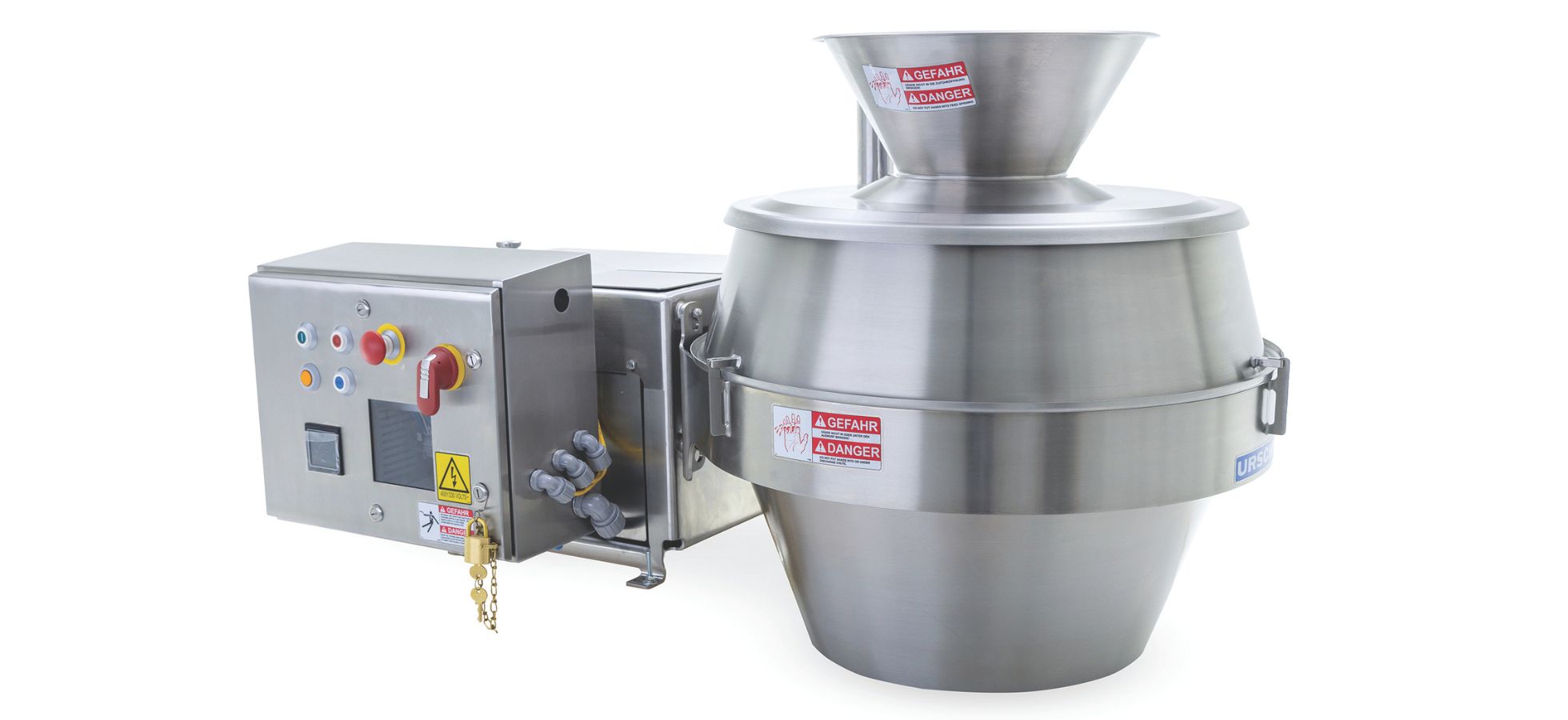
Cheese shredding solutions by Urschel

Leading cheese processors rely on optimised dicing and shredding solutions supplied by Urschel.

The Multivac Total Offer: end-to-end lifecycle support

Streamline your operations with a joined-up approach to equipment, materials and service solutions from Multivac.

Revolutionise your sterilisation: how the Static Steriflow solves real production challenges

Interfood Technology talks to Food Management Today about the Static Steriflow, engineered for versatility and reliability in food production environments.

Sign-up for our newsletter and alerts

"*" indicates required fields

Name*

Which emails would you like to receive from us?

Please select an option*
* By subscribing or opting in to any communication you also give permission for us to send you occasional general information updates about this media portfolio. You can opt out or change your preferences at any time.