

Food and non-alcoholic beverage prices rose by 1.3% in the 12 months to July 2026, down from 1.7% the previous month. The annual rate was lower in September 2021, when it was 0.8%.
On a monthly basis, food and non-alcoholic beverage prices were little changed in July 2026, compared with a rise of 0.4% a year ago.
There were small downward effects behind the change in the annual rate from three of the 11 detailed classes. The largest of these effects came from meat, particularly beef, and breaded chicken. The Office for National Statistics (ONS) said that prices in this class fell this year but rose last year, leading to a downward contribution of 0.02% to the change in the CPIH inflation rate.
Other smaller downward effects came from vegetables, and from sugar, jam, honey, syrups, chocolate and confectionary. Prices of vegetables fell by more in July 2026 than they did in July 2025. ONS also found that prices of sugar, jam and honey rose by less in July 2026 than they did last year, leading to a downward contribution of 0.01% to the change in the CPIH inflation rate from both these classes.
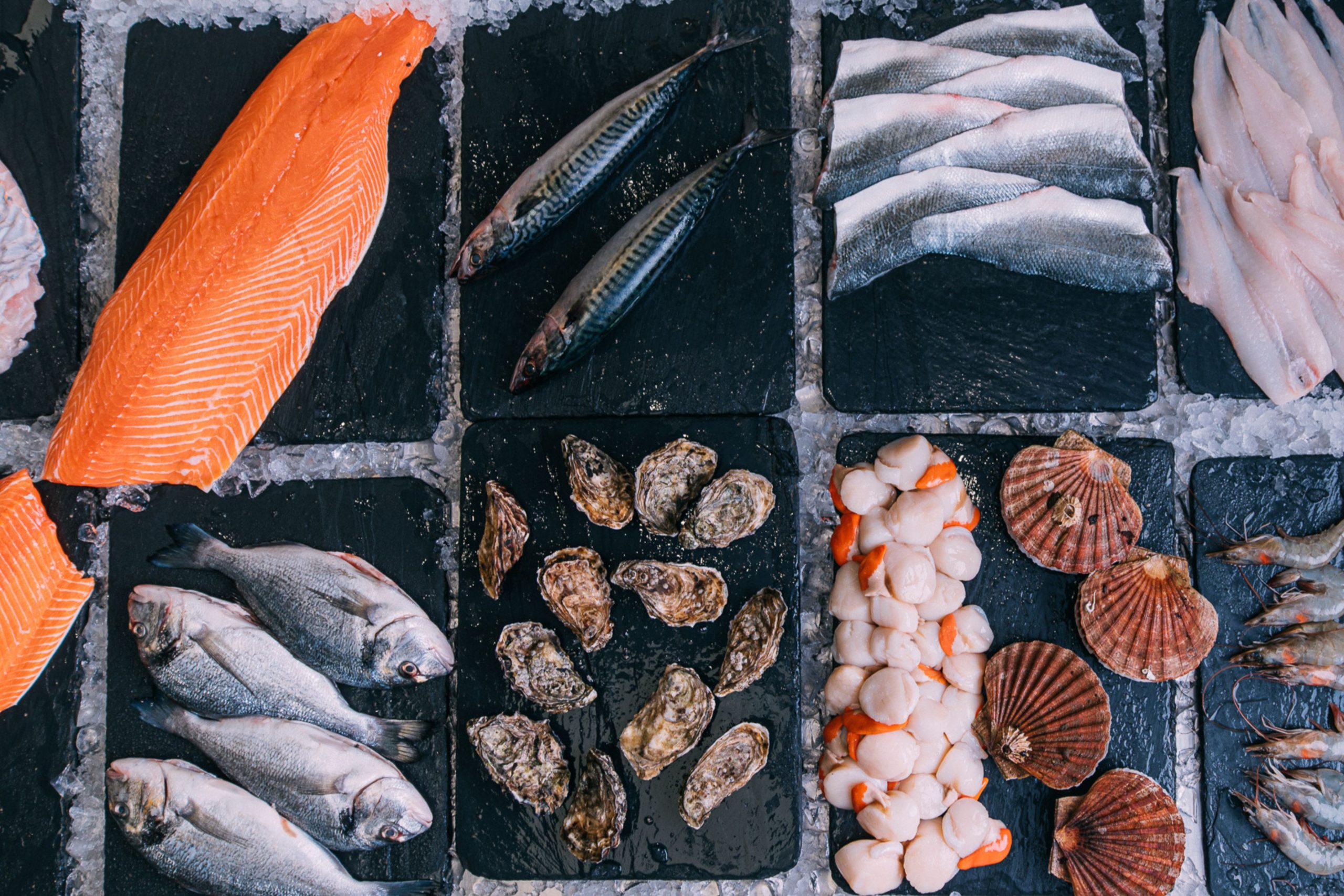
Bread and cereals provided small upward effects, as did fish. Prices of fish rose in July 2026 but fell in July 2025, while prices of bread and cereals rose in July 2026 but were little changed a year ago. This reportedly led to a small upward contribution of 0.01% to the change in the CPIH inflation rate from both of these classes.
“Pressures suggest food inflation will rise in the coming months as their impact filters through and businesses should continue to monitor this closely.”
James Walton, chief economist at IGD, commented: “Food inflation has fallen to 1.3% in July, its lowest level for two years, which is welcome news for shoppers, particularly as overall inflation strengthened due to utility prices and changes to the energy price cap. The drop in food inflation may reflect a combination of retailers absorbing costs to protect shoppers from further price increases and plentiful food supply at the start of the year providing a temporary cushion.
“However, the wider industry backdrop remains challenging, with energy markets disrupted by the Middle East conflict, rising regulatory costs, extreme weather affecting food production and higher farm input costs which have not yet fully fed through the supply chain. These pressures suggest food inflation will rise in the coming months as their impact filters through and businesses should continue to monitor this closely.”