
The authoritative independent voice of the UK food industry

The authoritative independent voice of the UK food industry

News

Food labelling fast track welcomed but don’t drop standards, says RSPCA

29 Jun, 2020

The RSPCA has welcomed the government’s move to fast track a consultation on ‘method of production’ labelling on food, but warns that it should not be used to justify the import of food produced to lower animal welfare standards. Mandatory ‘method of production’ labelling aims to help inform shoppers in supermarkets about how the animals […]

Interested in reaching the food industry?

Explore our media pack for all of our advertising opportunities and partnership options.

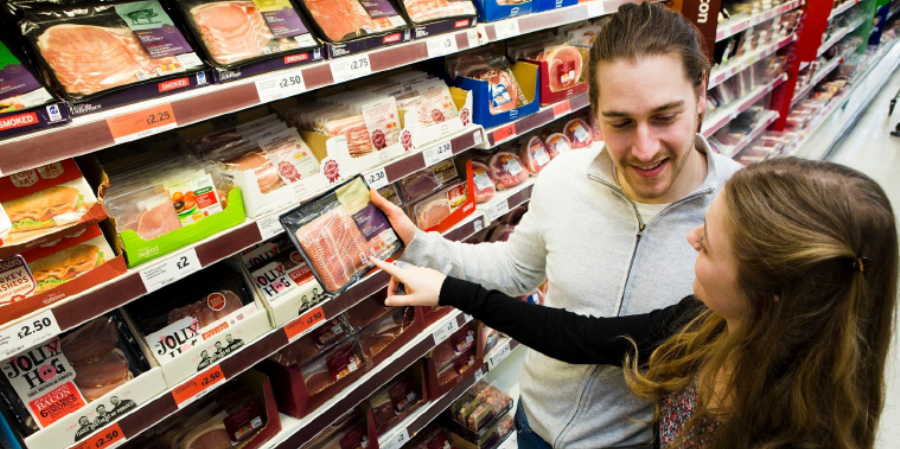
The RSPCA has welcomed the government’s move to fast track a consultation on ‘method of production’ labelling on food, but warns that it should not be used to justify the import of food produced to lower animal welfare standards.

Mandatory ‘method of production’ labelling aims to help inform shoppers in supermarkets about how the animals that produce food have been reared, giving more incentive and support to farmers to produce to higher welfare standards, but it will not stop the import of goods produced to lower welfare standards coming into the UK.

The US has outlined its determination for a trade deal which could open the UK food market to products such as chlorinated chicken or hormone-treated beef and the RSPCA is urging the Government to turn its promises into action and commit to protecting animal welfare standards in these talks.

The UK currently has much higher standards than many non-EU countries with which it is seeking trade deals.  For example, the USA permits the use of growth hormones in beef cattle, the use of conventional battery cages for laying hens in most States and the washing of chicken meat in chlorine. The USA also permits use of sow stalls in pig production. All of these practices are outlawed in the UK and the EU.

RSPCA head of public affairs David Bowles said:  “The government’s long-awaited move to introduce ‘method of production’ labelling is very welcome, though must not be used as justification to allow import of lower welfare imports that would be illegal if produced in the UK.

“We know from shell eggs that mandatory labelling works.  But it’s a backstop and the Government needs to ensure its stated commitment not to negotiate away our higher animal welfare is put into legislation.

“The UK currently bans products such as chlorinated chicken,  hormone-treated beef or cruel farming practices like the conventional battery cage for egg production or pig sow stalls. Unless we uphold these standards, we face a race to the bottom, where price, not quality, influences what ends up on our supermarket shelves.

“There are big opportunities to highlight on products how animals are produced, particularly for chickens, pigs and even salmon.  But while ‘method of production’ labelling is a significant step in the right direction, ensuring animal products that are imported to the UK meet our higher welfare standards must be a priority to protect the integrity of UK food and the commercial viability of UK farming.”

Latest News

IT'S BACK!

Product nominations are now open for UK Sausage Week. You may have an award-winning product. Click here to nominate your sausages today for free!

Everything you need to know about the Food Management Industry Awards can be found through our dedicated website.

Some of the leading companies that have participated in the Food Management Today Industry Awards...

Healthy diets need practical, accessible solutions. Frozen food is ready to deliver.

Rupert Ashby, chief executive of the British Frozen Food Federation (BFFF), explains why frozen food will play a key role in helping people across the UK eat a healthier diet.

Supporting seafood careers through skills and training 

Seafish onshore training advisor, Richard Wardell, outlines some of the training opportunities available through the organisation for workers in the onshore sectors of the seafood industry.

How geopolitical volatility is impacting the food and drink industry

As geopolitical tensions continue to impact costs, businesses must take a proactive approach, says Eliot Bassett, managing director at currency risk management service Lumon Corporate.

Cheese shredding solutions by Urschel

Leading cheese processors rely on optimised dicing and shredding solutions supplied by Urschel.

The Multivac Total Offer: end-to-end lifecycle support

Streamline your operations with a joined-up approach to equipment, materials and service solutions from Multivac.

Revolutionise your sterilisation: how the Static Steriflow solves real production challenges

Interfood Technology talks to Food Management Today about the Static Steriflow, engineered for versatility and reliability in food production environments.

Sign-up for our newsletter and alerts

"*" indicates required fields

Name*

Which emails would you like to receive from us?

Please select an option*
* By subscribing or opting in to any communication you also give permission for us to send you occasional general information updates about this media portfolio. You can opt out or change your preferences at any time.