

The deal will see the removal of post-Brexit checks from food and agriculture exports ahead of the UK-EU summit in Brussels on Friday 20th November.
As reported by the BBC, a 200-page draft text regarding the SPS agreement was circulated to EU nations, but journalists said that the deal will not be implemented until Q1 2028. The deal will be presented to EU ambassadors at a meeting this week.
It was said that the deal should remove the need for Export Health Certificates and Phytosanitary Certificates as well as inspector fees, while the UK would align its regulations with current EU regulations as part of the dynamic alignment process.
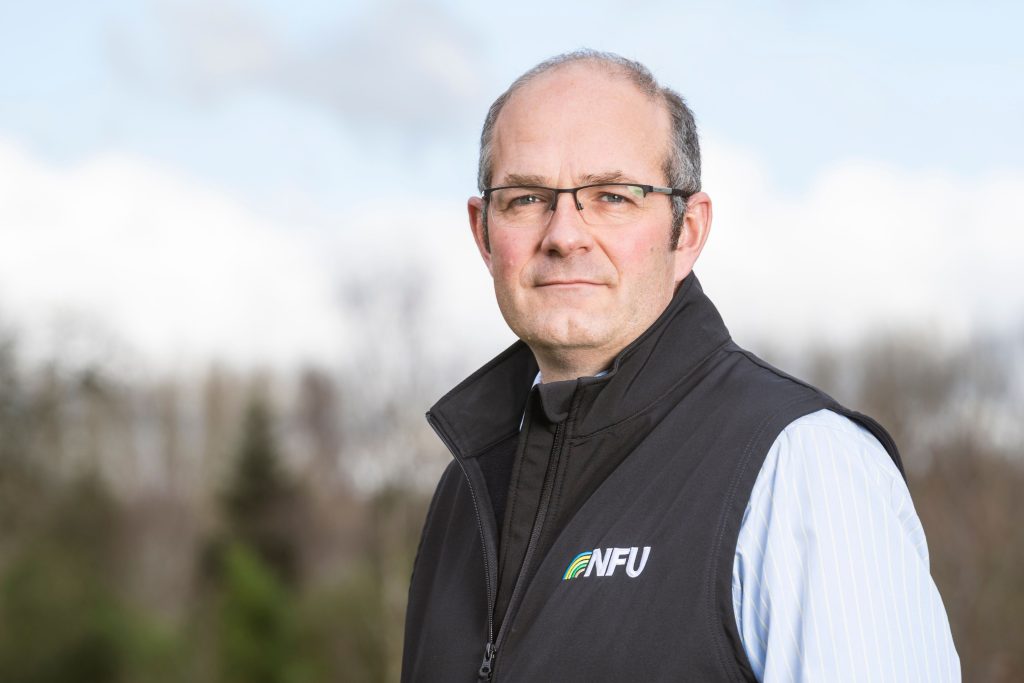
NFU President Tom Bradshaw said: “The EU is our largest trading partner for agri-food products, accounting for 68% of agri-food exports last year, but trade volumes have fallen over a third since 2019. Future arrangements should have the ambition of reducing friction and costs at the border while supporting growth and safeguarding innovation.
“This is about ensuring any policy framework between the UK and the EU supports our ability to produce safe, affordable food by improving farm business viability, profitability and resilience.
“We have made our priorities for a Sanitary and Phytosanitary (SPS) agreement with the EU very clear to Government from day one. British farmers and growers must retain access to precision breeding technologies that will help to strengthen food resilience to extreme weather and to science-based plant protection products that help protect food being grown for 29 million households from pests and diseases.
“Any changes must also provide an appropriate transition period to minimise disruption for farm businesses and we will continue to make this case to Government while we await the final agreement.”
Jim Bligh, director of food policy at the British Retail Consortium (BRC), said: “This is excellent news for retailers and consumers, helping to make food trade with the EU simpler, cheaper and more efficient. The challenge now is implementation, and retailers and their suppliers must be given sufficient time and clear guidance to make the necessary changes without adding unnecessary cost or disruption.”
SPS agreement would reduce delays on agri-food movements, says Logistics UK
Logistics UK chief executive Ben Fletcher said a comprehensive SPS deal would be a significant step in reducing trade friction and boosting growth: “Further progress towards concluding an SPS deal with the EU is hugely positive news for British businesses, including the logistics operators that drive economic growth by keeping trade moving.
“With the EU accounting for around 40% of UK exports, Logistics UK has consistently called for a comprehensive SPS agreement, with such a deal predicted to add £5.1 billion a year to the UK economy. Our own analysis shows it could reduce export costs by up to 8% on affected agri-food goods and save between £150 and £250 per consignment. This is particularly significant for groupage operators, which incur charges on every consignment within the mixed loads they carry.
“A finalised UK-EU SPS agreement would also significantly reduce checks, paperwork and delays on agri-food and plant products movements between Great Britain and Northern Ireland, making supply chains more efficient and lowering costs for logistics operators, retailers and manufacturers. This will make it easier for new suppliers and innovative products to generate new business in the EU market, which is vital for growth.”
“Dynamic alignment should make UK-EU trade easier, but it would also mean the UK accepting continued alignment with relevant EU rules in the areas covered by the agreement.”
Andrew Thurston, customs duty senior manager at MHA Macintyre Hudson LLP, commented: “For businesses, this is really about the practicalities of UK-EU trade. In my experience, customs duties have not been the main barrier for agri-food exporters. The greater challenge has been the additional certification, inspections and restrictions on certain products, which have added cost and complexity and, in some cases, made established trade routes considerably more difficult.
“There is a balance to be struck. Dynamic alignment should make UK-EU trade easier, but it would also mean the UK accepting continued alignment with relevant EU rules in the areas covered by the agreement. There would therefore be a legitimate debate about the balance between regulatory autonomy and improved market access.
“Any agreement would raise questions about the potential impact on the UK’s trade with the rest of the world, particularly where alignment affects the controls applied to non-EU imports, as this may require additional certification that is not currently necessary under UK controls. Businesses would want to understand how the agreement affects these imports alongside the benefits for UK-EU trade. Equally, if UK and EU standards are already closely aligned across many of these areas, there is a strong practical argument for looking again at whether the existing level of certification and border controls is proportionate.
“As with all agreements of this kind, the devil is in the detail, but I can see both positives and negatives. If the agreement can reduce unnecessary friction and reopen opportunities for UK farmers and producers with the UK’s largest trading partner, while striking an acceptable balance on regulatory alignment, it could represent a meaningful improvement in the post-Brexit trading relationship with the EU.
“It could also set a possible trend in the context of the EU’s emerging ‘Made in Europe’ policy. If the UK can demonstrate that closer alignment delivers practical benefits while remaining a trusted partner in European supply chains, it may strengthen the case for UK manufacturers to receive favourable treatment under those arrangements.”
“NIRC hope that, if the Summit reaches a successful conclusion overall and this draft is agreed, both the UK and EU move will rapidly remove the requirements for Not for EU labelling, health and SPS certificates, and inspection fees.”
Director of the Northern Ireland Retail Consortium Neil Johnston commented: “The retail industry is hopeful that an SPS deal can be concluded as part of the wider negotiations that are to be concluded by the UK-EU Summit planned for 20th November.
“The retail sector, alongside our agri-food and logistics partners, have worked tirelessly behind the scenes to comply with the SPS requirements of the Windsor Framework. They have been a considerable burden to all involved, but due to that hard work consumers have to date not noticed much difference on the shelves.
“NIRC hope that, if the Summit reaches a successful conclusion overall and this draft is agreed, both the UK and EU move will rapidly remove the requirements for Not for EU labelling, health and SPS certificates, and inspection fees.
“The current arrangements have been all pain and no gain for the retail sector. We have paddled furiously below the surface to protect the UK internal market and to respect and protect the EU Single Market. All the hard work the retail industry has put in, largely unseen, needs to be rewarded by removing these barriers to trade as rapidly as possible.”