
National Farmers’ Union (NFU) president Tom Bradshaw has warned that conflict in the Middle East will impact food prices, as the UK farming industry is “at the mercy of world markets” when importing fertiliser.
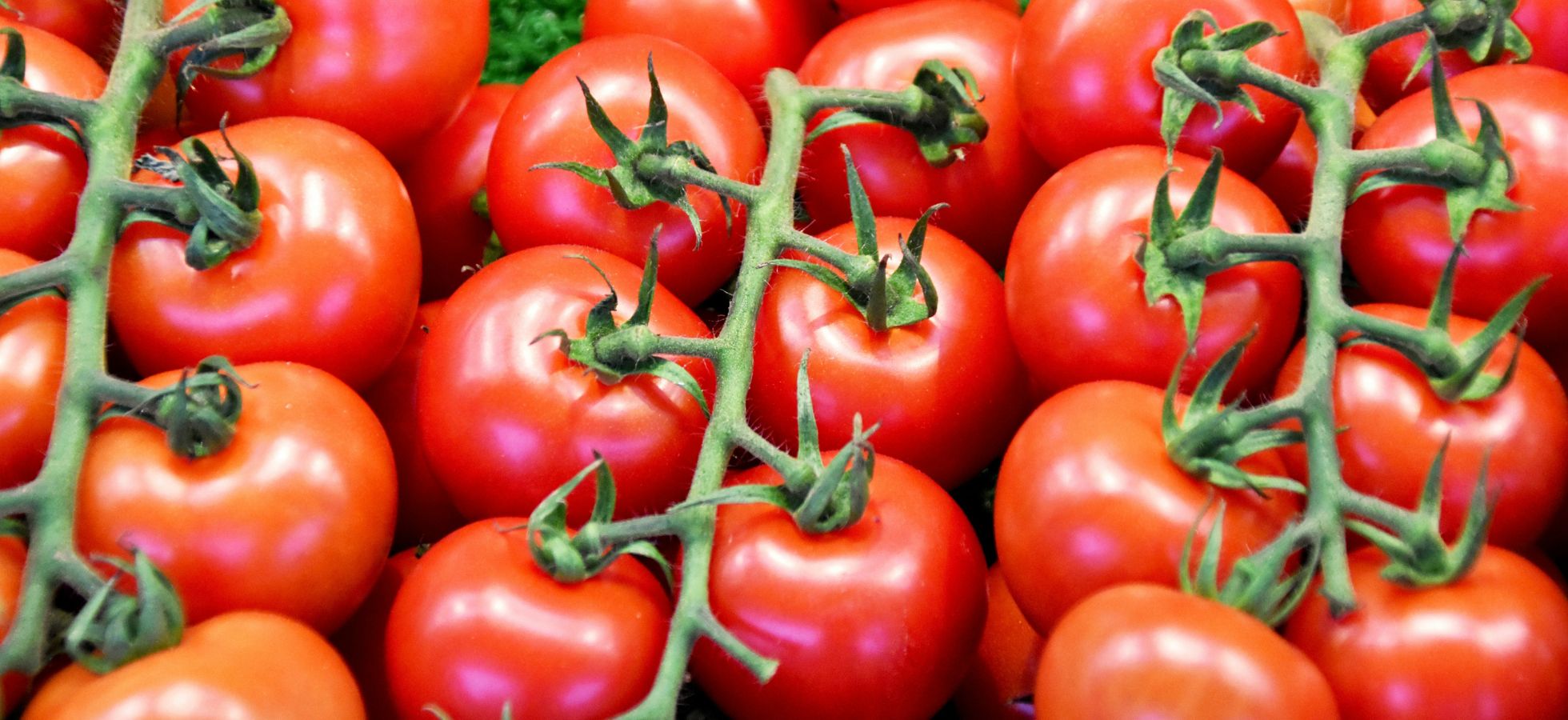
Speaking to BBC Radio 4 Today, Bradshaw highlighted that the conflict in the Middle East would have a knock-on effect for UK consumers, as increasing energy prices push up production costs for glasshouse products such as tomatoes, cucumbers and peppers.
NFU president Tom Bradshaw said: “If [the conflict] continues for any prolonged period of time then it’s just going to have a dramatic impact. I’m afraid it’s not just farmers, it’s 70 million people living on an island, and fossil fuels have such an impact right the way through from farm all the way through to the kitchen table.
“We’re really concerned about what this means for the immediate short term, particularly on imported and glasshouse product, where those gas costs hit immediately, the medium term for crop growth and grass growth, and long term if we can’t get hold of those products, as fertilisers and diesels are absolutely essential for producing the country’s food.”

Looking at the impact of the conflict on fertiliser supply, Bradshaw said: “It’s the largest cost input that we have on farm. Around the world, almost half the people are alive because of artificial fertiliser, because it helps produce the calories that everybody relies on. That Middle East region is so important for producing the gas that ultimately goes into producing the fertiliser products. While we may not source much of our fertiliser directly from that region, it will turn the world’s supply upside down and it will have a dramatic impact.
“We don’t produce any fertiliser from raw ingredients in this country anymore – it’s all completely reliant on imported fertiliser, so we are absolutely at the mercy of world markets.”
Consumers will start to see price increases in the next month
Bradshaw predicted consumers would soon start to see price increases, stating: “For product that is being imported into the country, the transport costs rise immediately. Glasshouse horticultural production – things like cucumbers, peppers, tomatoes – it’ll be over the next month or six weeks that we see those cost increases coming through to the retailer. For some of our field scale produce, our crops and our milk, it’ll be the next three to six months that we start to see those price increases coming through.
“Farmers cannot afford to absorb any of these cost increases if we’re going to have a resilient supply chain.”
Supermarket contracts could provide some “price stability”
The British Retail Consortium (BRC) agreed that the price of energy and fertiliser would increase prices but said that contracts between suppliers and supermarkets would provide some “price stability”.
Andrew Opie, director of food and sustainability at the BRC, said: “The conflict in the Middle East is adding to existing cost pressures facing retailers, with rising energy costs impacting costs of production, shipping, and distribution. The longer the conflict goes on, the more it will feed into inflation, compounding domestic and policy-related costs already affecting businesses.
“Food availability is unlikely to be affected, with 90% of food sold coming from the UK or EU. Furthermore, existing contracts between supermarkets, farmers, and suppliers provide some price stability, limiting any immediate impact on shoppers.
“As the war continues, the rising price of energy and fertiliser will begin to put additional pressures on prices. However, gas prices still remain significantly lower than they were at the start of the war in Ukraine.”