
NFU Scotland found that nearly 75% of egg sourcing in Scottish stores is labelled as Scottish, with milk reaching 80%.
Aldi leads with the most Scottish sourcing, now with 100% Scottish potatoes, eggs, milk and cream, while Tesco has increased its Scottish potato sourcing by 15%.
Lidl leads on Scottish chicken, with more than 91% sourced from Scotland. When looking at British labelling in addition, NFU Scotland found sourcing remains “strong” with all retailers continuing to source 100% British fresh chicken.
According to NFU Scotland, the picture is similarly positive across the soft fruit, eggs, pork and red meat categories, with M&S overtaking Co-op to lead at 98%.
Asda has introduced more than 200 new Scottish product lines alongside increased promotion of Scottish produce, while Morrisons is trialling Scottish-first merchandising. Tesco has introduced a Scottish labelled pork, while Aldi has committed to a three-year extension with Browns Group to continue supporting Scotch Prime Pork.
NFU Scotland said that by monitoring shelf prices as well as Scottish labelling, it was highlighting the importance of fair pricing, particularly where Government proposals for food price caps or excessive discounting “risk putting pressure back through the supply chain”.
Direction of travel is “positive”
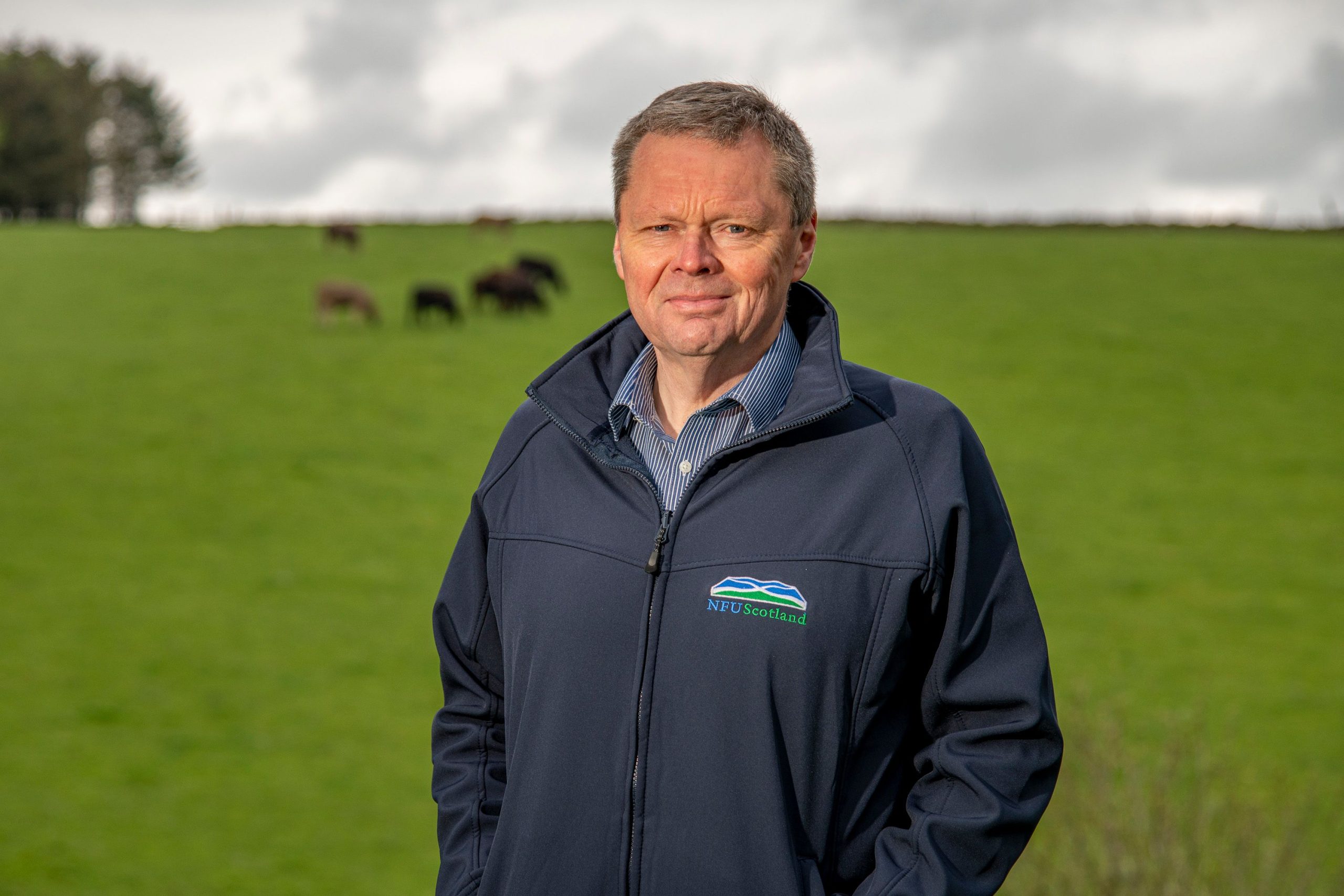
NFU Scotland president Andrew Connon said: “ShelfWatch is proving that constructive engagement works. Retailers know we are measuring performance, publishing results and recognising progress. That is changing conversations and, importantly, changing what is appearing on supermarket shelves.
“Over the past month we have met with six of the UK’s eight largest retailers, and ShelfWatch has been part of every conversation. One retailer told us: ‘We’re sixth in your league table, and we need to climb that table.’ That shows retailers are listening and recognise that shoppers increasingly value Scottish produce.
“The direction of travel is positive, but there is more to do. Scottish farmers produce world-class food and we know provenance matters to many shoppers. We want consumers who choose to buy Scottish to be able to identify those products easily, with clear labelling and good visibility in stores. We will also continue to make the case for a fair and sustainable supply chain that enables Scotland’s farmers and crofters to invest, remain competitive and continue producing high-quality food for the future.”