


The processor’s expansion is one of several developments planned by companies within the Scottish seafood sector over the next few years. In December last year, Scottish Sea Farms doubled its processing capacity at its site in Shetland.
Based in Buckie, Lossie Seafoods produces a range of smoked salmon and scampi core products for a number of the UK’s biggest supermarkets.
The company is part of the Associated Seafoods group and is a major employer in the Moray region of Scotland.
In 2022, Associated Seafoods acquired fellow processor R & R Spink and Sons, which now operates under the Lossie Seafoods banner, producing salmon products as well as small batch, hand-prepared deli fish products and marinades under the Silvertide brand.
Modular processing facility built in under six months
The salmon processor’s latest expansion, helmed by tcs supplier Dawsongroup, took just under four months to complete (from delivery of 1st module to handover) and was launched to facilitate a number of new product development projects for the retail market.
Lead on Lossie’s expansion and development manager at temperature control solutions (tcs) provider Dawsongroup, Steve Arthur described the project as “one of the most successful builds” he’s worked on, attributing this to the efficiency of the development team throughout the project.
“We had a big task ahead of us when we started,” Steve Arthur told Food Management Today. “We know the seafood market well, and understand how important expansions of this kind are to the sector’s growth. Scottish salmon is the UK’s biggest food export, and the domestic market alone is valued at around £1.2 billion a year, so there was a lot of pressure on us to get this build right.”
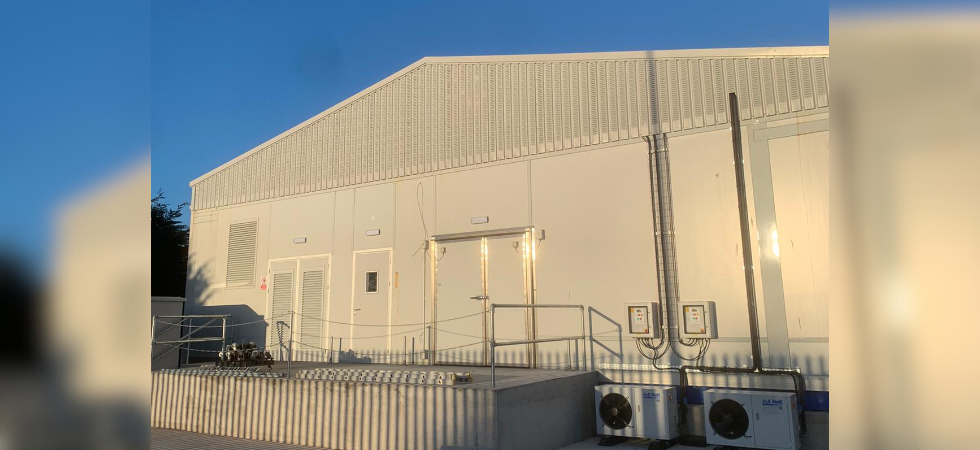
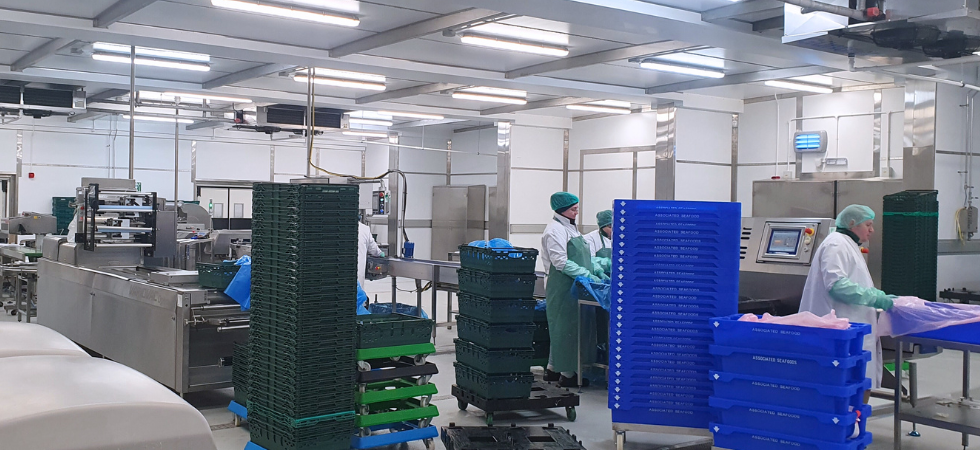
As part of the project, the Dawsongroup team created a modular production facility to supplement Lossie’s existing processing capacity. Plans for the building were drawn up and agreed quickly, with construction work carried out over the remaining months of the project’s assigned period.
“Now, you can’t physically build a new factory in four months,” added Steve, “that’s why the modular design worked so well. The Lossie project demanded a lot of flexibility and that’s what the modular facility delivered on.”
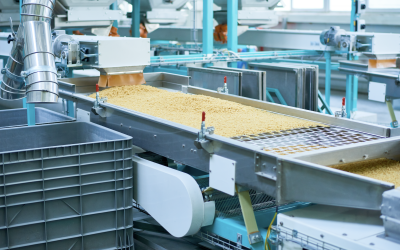
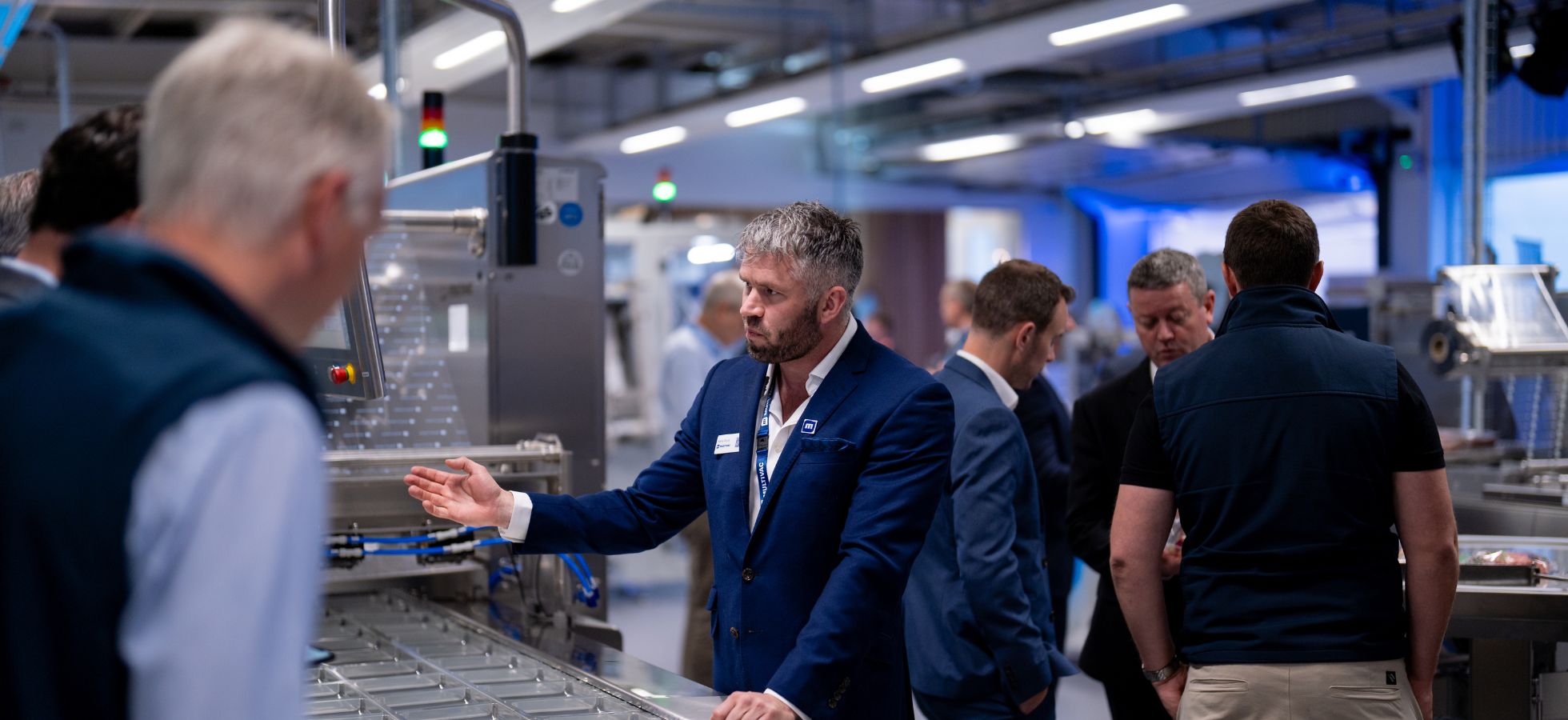
The final design accommodated for 20-30 people working across a temperature controlled production line, which was fitted with equipment from Dawsongroup’s sizing, packing and multi vac lines.
“It was absolutely one of the most successful builds I’ve worked on to date,” said Steve, “as, ultimately, the finished project ticked all the right boxes for the client. We delivered what we wanted to achieve, in the timeframe we agreed to do it in, and did it all to an exceptional standard.”
What’s next for the UK seafood sector in 2024?
There have been a number of acquisitions and expansion projects planned by processors across the global seafood sector for the coming year.
Some of the latest developments include Norwegian Salmon processor Nova Sea’s acquisition of shares in Torghatten Aqua; and at the start of February, Japanese processor Nissui announced it will invest the equivalent of $113 million in its processing sites in the EU and the US.
Following its work with Lossie Seafood, Dawsongroup has revealed that it has completed another expansion project with a seafood processor based in the Scottish Highlands.
Reflecting on the company’s latest work within the seafood sector, Steve Arthur said: “Both projects have been a real joy to work on, and the completion of these projects is not only a boost for the Dawsongroup brand, but a huge win for the British seafood processing sector.”