

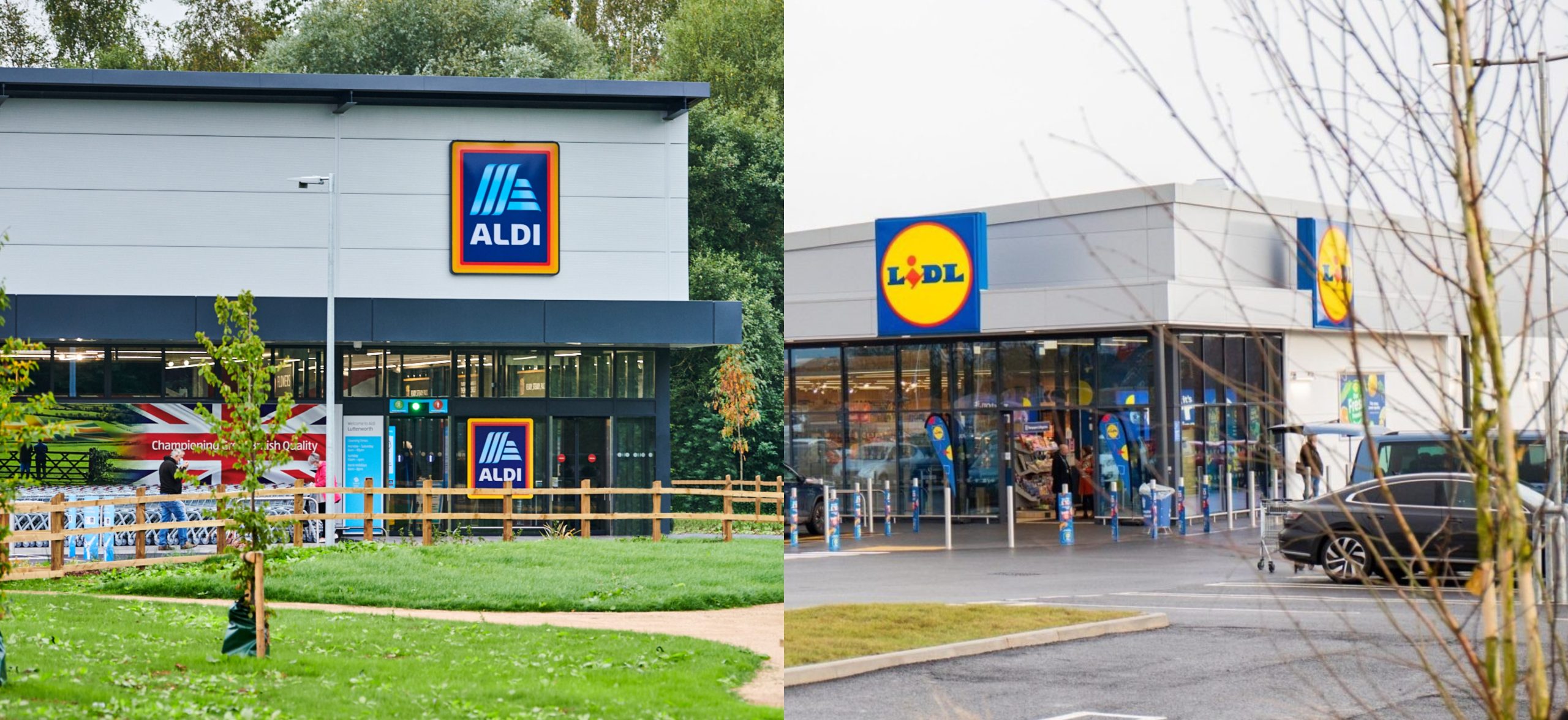
Research from the Institute of Grocery Distribution (IGD) has predicted that discount will remain the fastest growing physical grocery channel globally through to 2030.
Analysis from IGD’s report, ‘Global discount trends 2026’, explained that the discount channel’s 4.8% growth will be driven by shoppers’ demand for “value, rapid store expansion and increasing momentum” from product and operational innovations.
Dan Butler, insight partner at IGD, commented: “Once seen as low-cost outliers, discounters are now at the cutting edge of retail: innovating at pace and operating tech-enabled, health-forward, sustainability-driven stores. With the stigma of discount shopping fading, the channel enters the next phase of economic recovery with a stronger brand image and greater resilience to shifts in shopper spending power.”
The research predicted that by 2030, the channel will represent 9.7% of global grocery sales, adding US$209 billion in new revenue, according to IGD. Europe will remain the heartland of discount retail with 23.6% grocery retail market share, said IGD, but growth hotspots include the US, Russia and Poland, where discounters will gain both share and scale at pace.
IGD expects the global grocery retail landscape will continue to shift with the expansion of major players, such as Lidl and Aldi, who are projected to generate a combined US$334 billion in sales by 2030. It said the growth of both discounters will be driven by major private label investment, the expansion of Aldi Süd in the US, and Lidl’s data‑driven pricing and loyalty ecosystem in Europe.
IGD identifies discount trends
The report pointed to discounters shaping the modern grocery retail agenda, with four interconnected trends driving the channel’s growth:
- Value without compromise: discounters are enhancing value beyond cost with more emphasis on quality, private label development, and experiences.
- Driving footfall and frequency: the channel aims to attract more shoppers and retain them for longer with promotions, loyalty programmes, non-food offers, and enhanced experiences.
- Making health affordable: operators are meeting wellbeing needs by offering clearer guidance, broader assortments and easier navigation to make healthier choices more accessible.
- Championing sustainability: discounters are making sustainability more visible with clearer commitments, improved product transparency, and integrated circularity and waste reduction principles.
The report went on to highlight emerging technologies already underpinning these trends, such as smart carts and AI agents, which IGD believes will “innovate faster” than competitors due to lean assortments, private label control, and tight operating models.
Butler stated that the research signals both “challenge and opportunity” for suppliers: “Discounters want partners who can match their pace. Suppliers must work more closely with discounters than ever before and actively support their growth by collaborating on efficient supply chains, insight-led innovation, and value-focused product development.”