

According to reports, Government has asked UK supermarkets to consider freezing food prices to combat inflation as the Middle East conflict persists.
It was said that supermarkets would be subsidised for freezing the costs of essential products like eggs, milk and bread with relaxed packaging policies and proposed delays to HFSS rule changes.
However, speaking on BBC Radio 4’s Today programme, Treasury Secretary Dan Tomlinson stated that were no Government plans to make a food price cap mandatory.
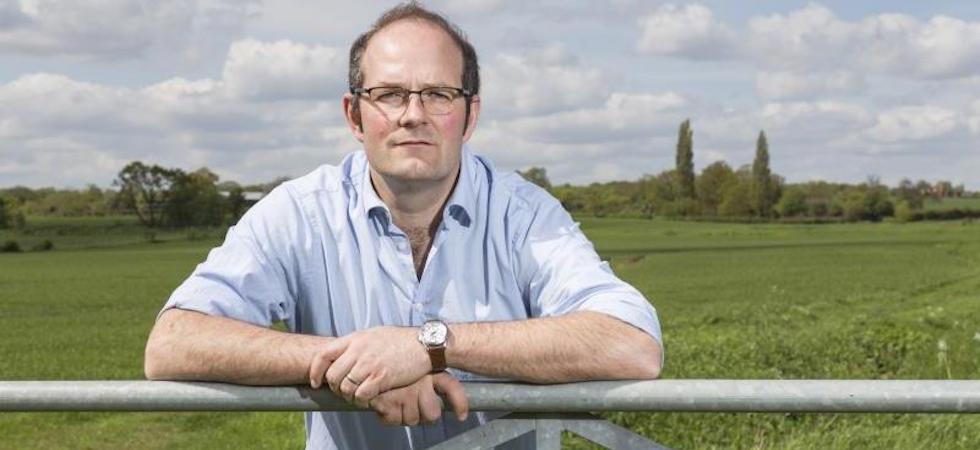
In a video message, National Farmers’ Union (NFU) president Tom Bradshaw said that there had been a “furious reaction” from NFU members about the voluntary price freeze.
Bradshaw said: “This isn’t to say that farmers accept that there needs to be higher prices at the shelf edge. What we are worried about, and what members are worried about, is the squeezed middle.”
Bradshaw went on to express his concerns about price rises that farmers have seen across red diesel, fertiliser and energy as a result of the blockade of the Strait of Hormuz.
He continued: “As farmers, we’re seeing hugely inflated costs of production… we cannot absorb these costs at a farm level and continue to run profitable farming and growing businesses.
“Some of that is coming about because of Government policy, such as changes to standing charges, Food Standards Agency charges being increased to abattoirs. These are adding inflation, along with the National Insurance increases that have been seen.
“The seven golden rules of the Groceries Code Adjudicator mean that these unexpected cost increases have to be passed up the retail supply chain. There is no way that they can be absorbed at a farm level and see resilient, thriving farming businesses. At the moment there is a complete lack of confidence at farm level to invest for the future. The huge uncertainty that’s being created by the volatility around the world, without the Government stepping into this space and not recognising that farmers need to be properly rewarded for the risks that we are taking.
“Obviously farmers do not set retail prices, but I know the retailers have been pretty strong in the way that they’ve reacted to this. Members have been very vociferous about the concern that this means that there will be lower farm gate prices, and we all need a functioning, thriving supply chain so that farmers can get fair returns for the risks that we are taking, and consumers can get access to affordable, British product, not just now, but in the long term.
“This short-termism is something that does not build the food security of the country into the long term, which is something that 70 million consumers need.”
“We need Government to prioritise regulation so it doesn’t all come at once, and ensure it’s going to have the intended outcome.”
A spokesperson for the Food and Drink Federation (FDF) commented: “Government needs to focus on the root causes of rising food inflation, not the symptom. We don’t believe the answer is a price cap and it’s not clear to us how those proposals would work in practice.
“For food and drink manufacturers, we need Government to prioritise regulation so it doesn’t all come at once, and ensure it’s going to have the intended outcome. Too much regulation is too complex and too costly to implement, which is taking up businesses’ time, resources and focus while they’re also grappling with a global energy shock. We need this to protect the long-term resilience of the food sector, to ensure we can attract investment, and to help us keep a lid on food inflation.”
Helen Dickinson, chief executive of the British Retail Consortium (BRC) stated: “The UK has the most affordable grocery prices in Western Europe thanks to the fierce competition between supermarkets. The challenge facing retailers is a combination of higher energy and commodity costs resulting from the Middle East conflict, and the soaring cost of the Government’s domestic policies.
“Rather than introduce 1970s-style price controls and trying to force retailers to sell goods at a loss, the Government must focus on how it will reduce the public policy costs which are pushing up food prices in the first place.”
Rupert Ashby, CEO of the British Frozen Food Federation, said: “Our members fully recognise the pressure many consumers are under. However, we’re hearing significant concerns at suggestions of price caps when food businesses are already facing substantial increases in operating costs, many of which have been driven by recent Treasury decisions and policies.
“The food industry is working hard to keep its products affordable, but further intervention of this kind risks placing additional strain on businesses at a time when confidence and investment are already under pressure.
“This kind of knee-jerk reaction is unlikely to bring down overall costs to consumers and will only exacerbate issues for the food industry. Government should be coming forward with sensible growth-inspiring decisions that help businesses thrive by tackling the underlying challenges.”
SNP to set supermarket price cap
The Government’s suggestion of a supermarket price freeze follows a declaration from Scotland First Minister John Swinney last month that the Scottish National Party would cap the price of supermarket groceries if the party was re-elected.
The proposed plan, titled the SNP Fair Price Plan, would apply to large supermarkets, and would set a maximum price for a basket of up to 50 food items.
The recent election in Scotland saw SNP win the most seats, with 58, but fall short of the 65 needed for the majority. Speaking to the BBC’s Today programme, Swinney commented that the party would have to work with others in Holyrood if they were to implement the policy.
Foreign Secretary calls for Strait of Hormuz to reopen to prevent “acute food insecurity”
The news comes as UK Foreign Secretary Yvette Cooper warned that the world “cannot wait any longer” to reopen the Strait of Hormuz at the Global Partnerships Conference in London. She stated that a “food security ‘crisis’ looms” as a result of disruptions in the Middle East.
At the same time, the World Food Programme estimated that almost 45 million more people “could fall into acute food insecurity” if the conflict does not end by the middle of this year.
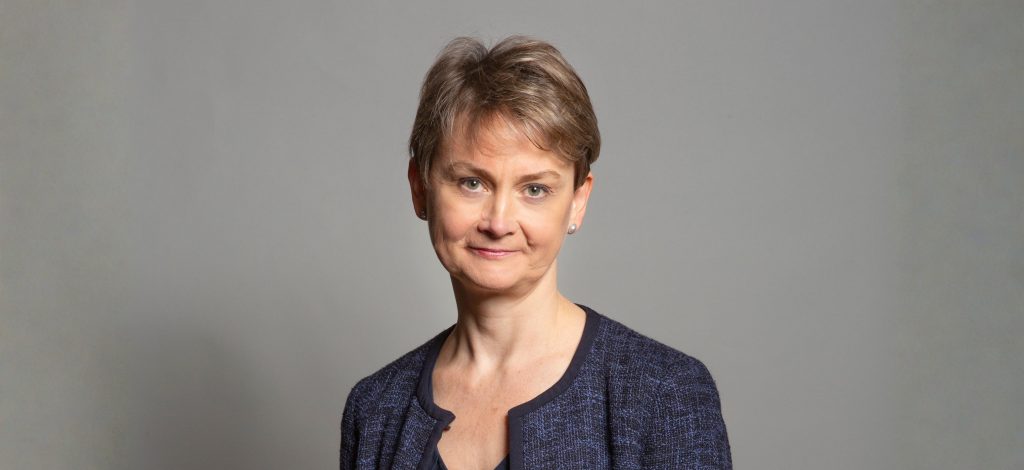
Foreign Secretary Yvette Cooper MP commented: “The world is sleepwalking into a global food crisis. We cannot risk tens of millions of people going hungry because one country has hijacked an international shipping lane. Iran’s continued closure of the Strait of Hormuz while the agriculture clock is ticking shows why we need urgent global pressure to get the Strait reopened, fertiliser and fuel moving and ease the costs of living pressures. That is why we will continue to lead calls for the immediate and unrestricted opening of the Strait and advance plans for the Strait of Hormuz Multinational Mission to support any agreement.
“This crisis is affecting developed and developing countries, the private and public sectors alike. It shows why we need a new approach to global partnerships, to drive international development to prevent crises in the first place.”