
The Office for National Statistics (ONS) has revealed that food and non-alcoholic drink prices increased by 3.3% in the 12 months to February 2026, down from 3.6% in the 12 months to January.
The rate in February was the lowest since March 2025 when it was 3%, and on a monthly basis, food and non-alcoholic drink prices were unchanged in February 2026.
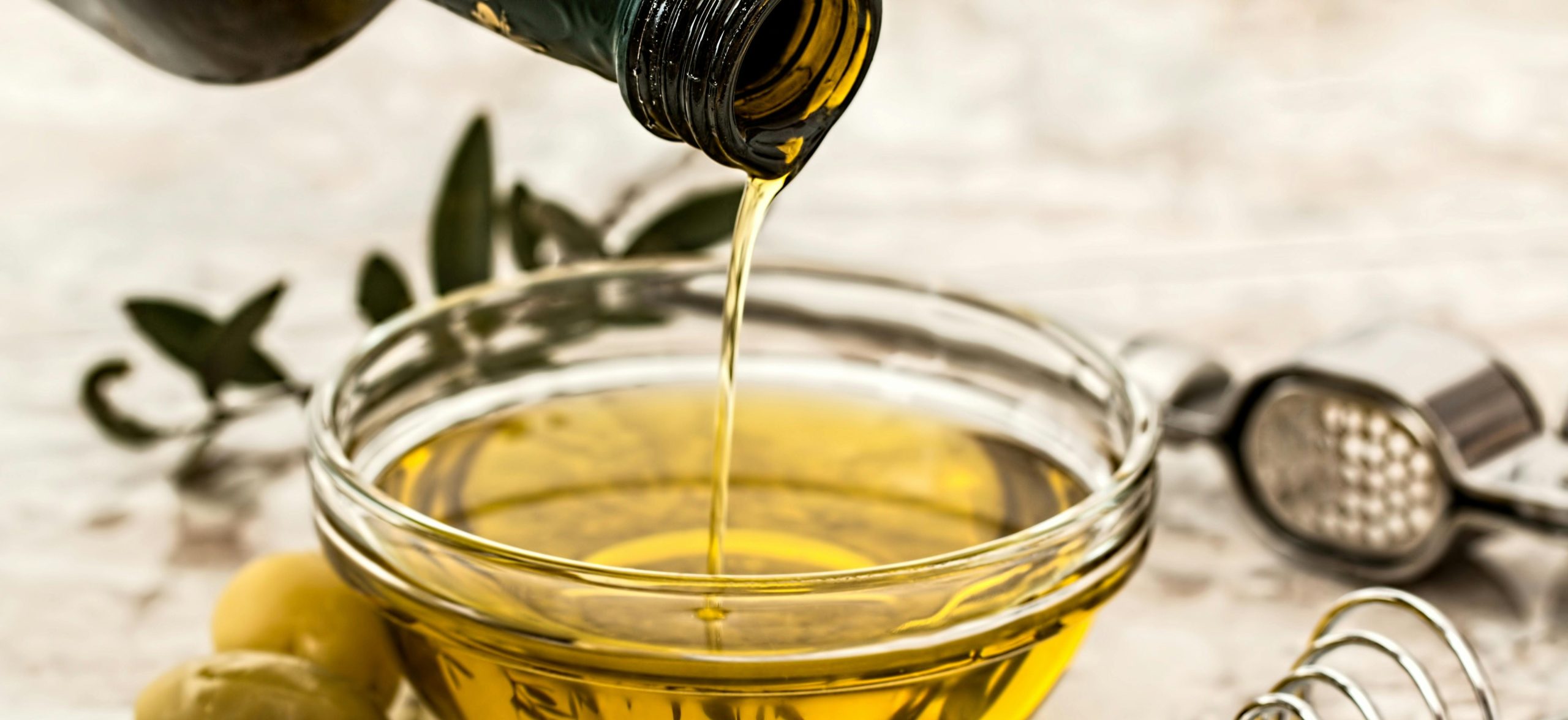
Prices rose the fastest for beef and veal (20.6%), offal (17%) and whole milk (13.1%), while the categories that saw the largest drops in price were olive oil (-10.4%), flours (-8.3%) and pizza (-4.9%).
ONS also reported that the Consumer Prices Index rose by 3% in the 12 months to February 2026, unchanged from the 12 months to January.
“The current energy shock is yet another structural shock our industry will have to absorb.”
Karen Betts, chief executive at The Food and Drink Federation (FDF), commented: “While food inflation fell slightly in February 2026, I am concerned that this is the calm before the storm. The longer the conflict in the Middle East goes on, the bigger its impact will be on food prices. With food and drink price inflation already running above historical averages, heightened energy, maritime fuel and fertiliser costs will put further pressure on prices.
“Food and drink is an essential, bought by every household, every week. While it can take several months for cost rises to filter fully through to shop shelves, the cost of the Iran conflict will be felt by shoppers this year. If Government is serious about tackling the rising cost of living, it must provide our industry with at least the same support as other manufacturing sectors.
“The current energy shock is yet another structural shock our industry will have to absorb, on top of the Ukraine war, the costs of realigning food law with the EU once again, and new regulatory burdens.”