

According to the Food and Drink Federation (FDF) Scotland, food manufacturers are under “sustained pressure” from rising costs across energy, packing, ingredients and National Insurance contributions, compounded by recent disruption to global energy markets.
It described food and drink as “particularly exposed” due to being energy-intensive, and forecast that food inflation could reach at least 9% by the end of 2026.
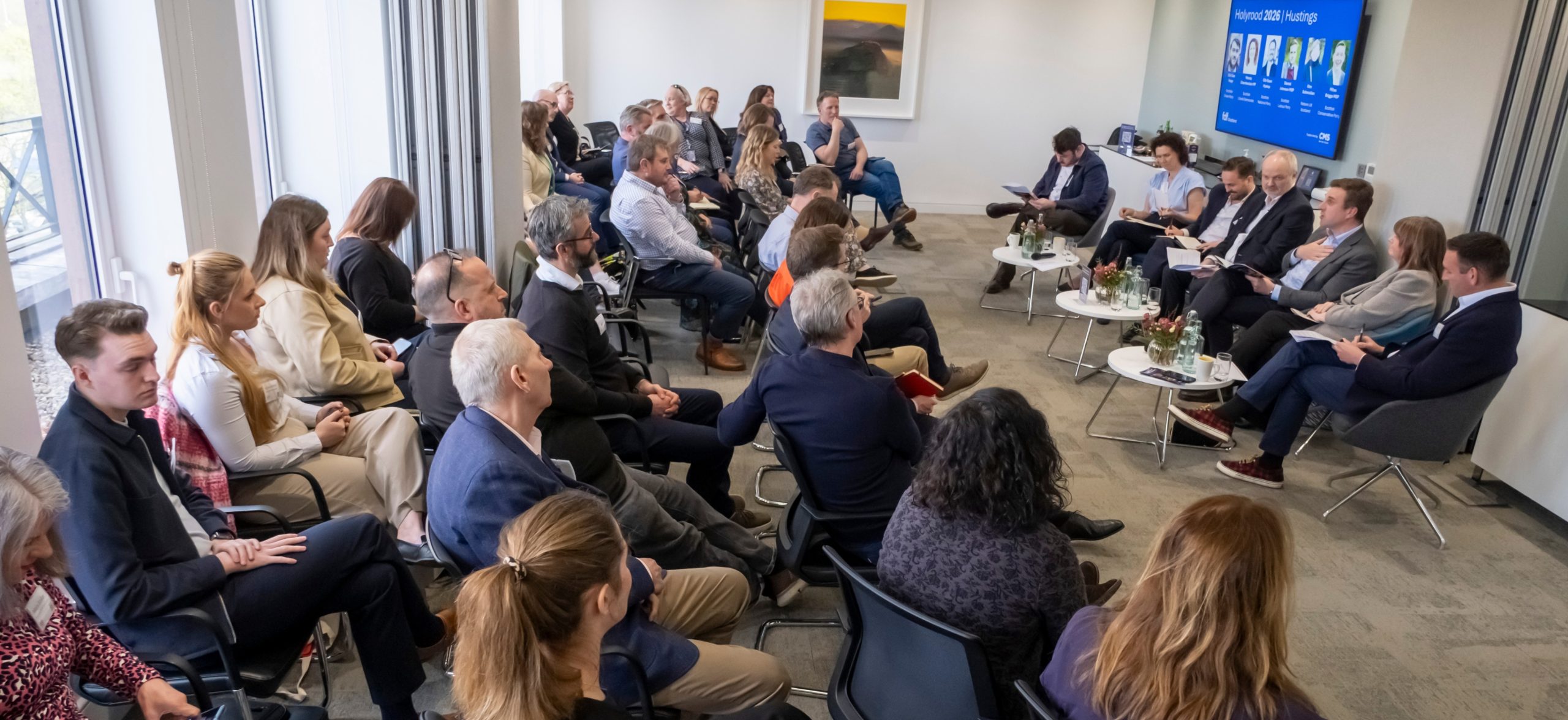
Ahead of Scotland going to the polls, FDF Scotland held a food and drink‑focused election hustings at CMS in Edinburgh. The event brought together representatives from each of Scotland’s main political parties to discuss how they would support Scotland’s vital food and drink manufacturing sector in the next parliament.
Representatives were questioned by industry leaders on their plans to help food manufacturers remain competitive, resilient and sustainable during a “period of intense cost pressure” across the supply chain.
The event included the following party representatives:
- Kim Schmulian – Reform UK Scotland
- Miles Briggs MSP – Scottish Conservatives
- Dan Heap – Scottish Green Party
- Daniel Johnson MSP – Scottish Labour Party
- Wendy Chamberlain MP – Scottish Liberal Democrats
- Euan Hyslop – Scottish National Party
Industry highlighted the need for a stable and confident businesses environment. Discussion centred on how Government can more effectively support businesses to grow and invest, how Apprenticeship Levy funds could be better invested in the skills the industry needs, and how to help food and drink manufacturers improve their environmental sustainability whilst remaining profitable.
David Thomson, FDF Scotland’s chief executive officer, said: “Food and drink manufacturing is one of Scotland’s most important industries, but it is also one of the most exposed to rising energy costs, global supply chain disruption and policy uncertainty.
“The hustings highlighted a shared understanding across parties of the pressures businesses are facing.
“The next Scottish Government and parliament must now work with industry to deliver practical solutions that give manufacturers the confidence to invest, innovate and develop the skilled workforce they need, while supporting the transition to net zero.”