
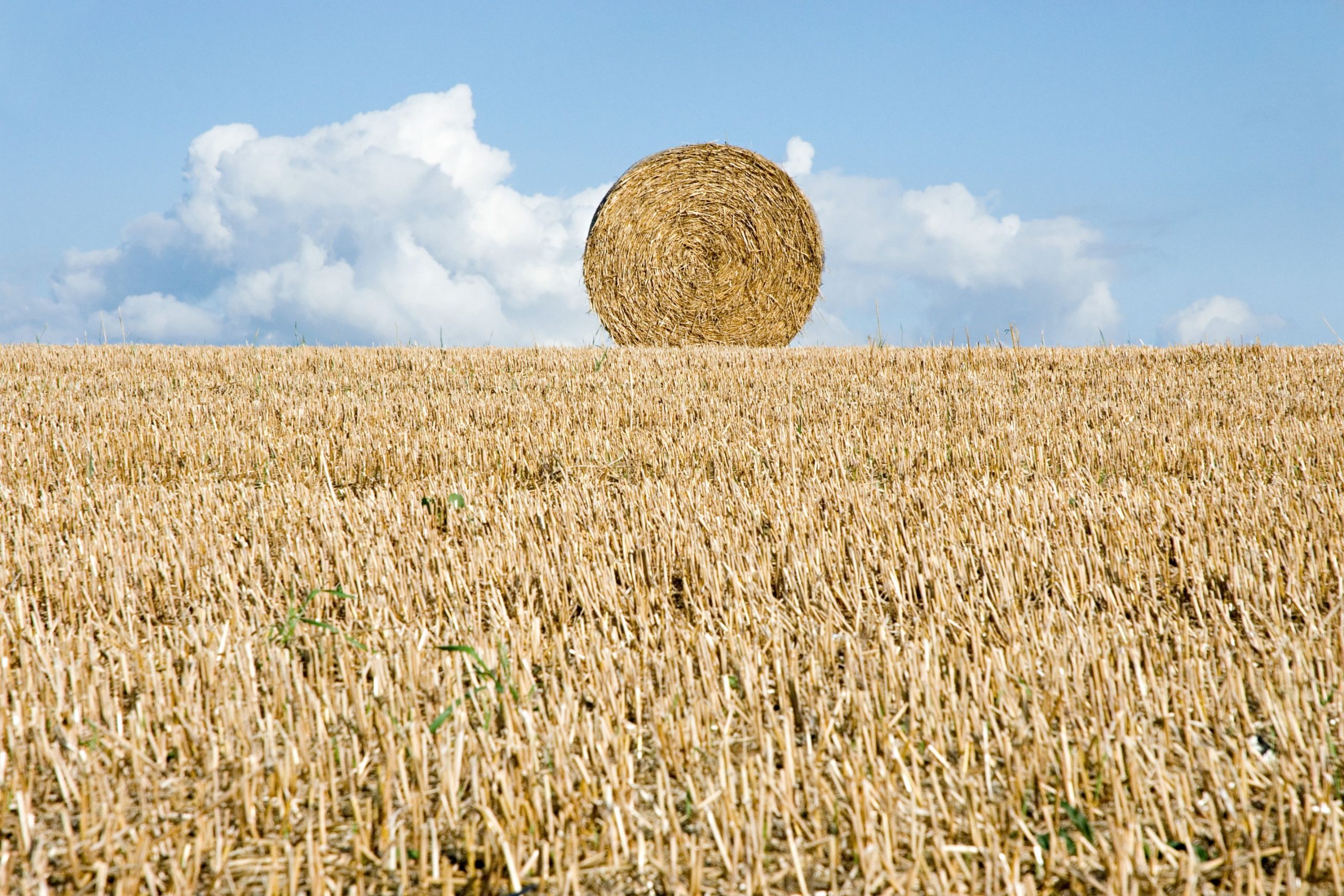
Livestock farmers are no strangers to dealing with adversity. Farming is an industry built on resilience, adaptability and long-term planning. But as we’ve seen across much of the country this summer, prolonged dry conditions have created significant challenges for producers, adding yet another layer of pressure to businesses already grappling with rising costs and regulatory change.
With a virus called bluetongue spreading rapidly throughout the UK livestock sector, causing losses and more mental strain for farmers, we now have an immediate crisis in cashflow and confidence.
Extreme conditions are the ‘new normal’
For many of us, the impact of drought was immediate and visible. Grass growth slowed dramatically, grazing became increasingly limited and winter forage stocks used far earlier than intended. Farmers who would normally have been building fodder reserves for the months ahead have instead been dipping into them in the middle of summer, creating uncertainty about feed availability and affordability later in the year.
It is a stark reminder that climate change is no longer a distant threat. For many of us, ‘the new normal’ is the dark daily reality affecting our crops, our livestock and the viability of our farms, making it so much harder to produce the food our country needs.
The consequences of this extend far beyond the farm gate. Livestock production depends on a reliable supply of grass, forage and water. When any one of those elements comes under pressure, farm businesses are forced to make difficult decisions that can have lasting implications for productivity, profitability and animal welfare.
Across the country, there are reports of farmers having to purchase additional feed at significant cost, moving stock earlier than planned, reducing grazing rotations or investing in measures to secure water supplies for their animals. For some businesses, particularly those operating in the driest parts of the country, the financial consequences have mounted rapidly.
At the same time, many livestock farms have continued to experience the cumulative effect of successive difficult seasons. Resilience is not an unlimited resource. While farmers are accustomed to managing risk, repeated weather extremes are placing increasing strain on businesses and farming families alike.
Government must step in
The NFU has been engaging closely with the highest levels of Government and industry partners to ensure the challenges facing the livestock sector and farming more generally in the short-term and longer-term are fully recognised.
A few weeks ago, NFU president Tom Bradshaw met Prime Minister Andy Burnham at a farm in Cornwall to highlight that the Government has the chance to rebuild the capacity of the UK to feed itself as part of his new ten-year strategy. This starts with recognising how desperate the cash flow situation is on farms, to build on the welcome package of investment that was announced. The relief package includes some extra funding for reservoirs, updated planning guidance and temporary easing of access to water supplies during droughts.
Following months of prolonged hot, dry weather, our asks are clear.
As we deal with the current crisis, in the short-term we need Government, the Environment Agency and water companies to create a risk register for vulnerable business water users, so that critical farm businesses such as livestock have access to water to support animal welfare and business viability.
Longer term and more strategically, we need improved planning to remove unnecessary barriers and make it easier to build farm infrastructure, simplified abstraction arrangements so farmers can access water more easily and financial support to help invest in farm reservoirs and equipment to build long-term food resilience.
The threat of disease outbreaks
On top of all the drought-related pressures, there is now the continued threat posed by a virus called bluetongue. This has become one of the most significant animal health concerns facing the livestock sector, creating anxiety and uncertainty for cattle and sheep farmers across affected and at-risk areas. As I write this, there have been more than 600 confirmed cases across the UK and that number is rising quickly.
Bluetongue is more than just a disease challenge. Farmers already battling the effects of drought have faced the prospect of additional costs associated with vaccination, veterinary advice and testing requirements. These are necessary steps to manage disease risk, but they come at a time when many businesses are already under considerable financial strain.
There must be transparent pricing of vaccinations, as this can vary a lot depending on veterinary practices, and we are also calling on Government to help with fallen stock costs. Not only are farmers paying a large amount for treatment of an animal, but they are also losing productivity of the animal and the cost of disposal if it dies – this all adds up very quickly.
Vaccination remains the most effective tool available to help protect livestock and reduce the impact of the disease, but we have heard that there have been availability issues on the ground with many smaller veterinary practices seemingly struggling.
Manufacturers have been working hard to increase supplies and make more doses available, with extra doses arriving. We continue our collaboration with veterinary professionals, Government and industry to ensure supplies reach farms quickly and efficiently. Farmers must get on their vet’s vaccine list, so accurate orders can be given to the manufacturers – they are commercial businesses that work to demand.
We are also calling on Government for help with fallen stock. Support is needed urgently to help livestock farmers meet the rising costs of collection and disposal of animals.
Partnership will be key
Protecting the UK’s livestock sector requires a genuine partnership between industry and Government. Farmers are doing their part. They are adapting management practices, investing in animal health, making difficult business decisions and continuing to produce high-quality food to world-leading standards.
However, resilience cannot be built on goodwill alone. It requires a policy environment that recognises the challenges facing the sector and provides meaningful support when exceptional circumstances arise.
British livestock farmers have repeatedly demonstrated their ability to adapt and innovate. But drought, disease and economic pressures are testing that resilience as never before.
As we look ahead, it is essential that Government works with us to deliver the practical support, investment and disease management measures needed to safeguard the long-term future and success of British livestock farming.
The National Farmers’ Union (NFU) represents 43,000 farming and growing businesses across England and Wales. Its purpose is to champion British agriculture and horticulture, to campaign for a stable and sustainable future for British farmers and to secure the best possible deal for our members.
NFU acting Livestock Board chair and Regional Livestock Board chair, North Clare Wise is a mixed farmer from County Durham, farming sheep, cattle and arable, running a fifth-generation family farm. Clare is actively involved with the NFU Education Farmers for Schools programme and regularly visits schools to promote farming and food to the next generation of consumers.