
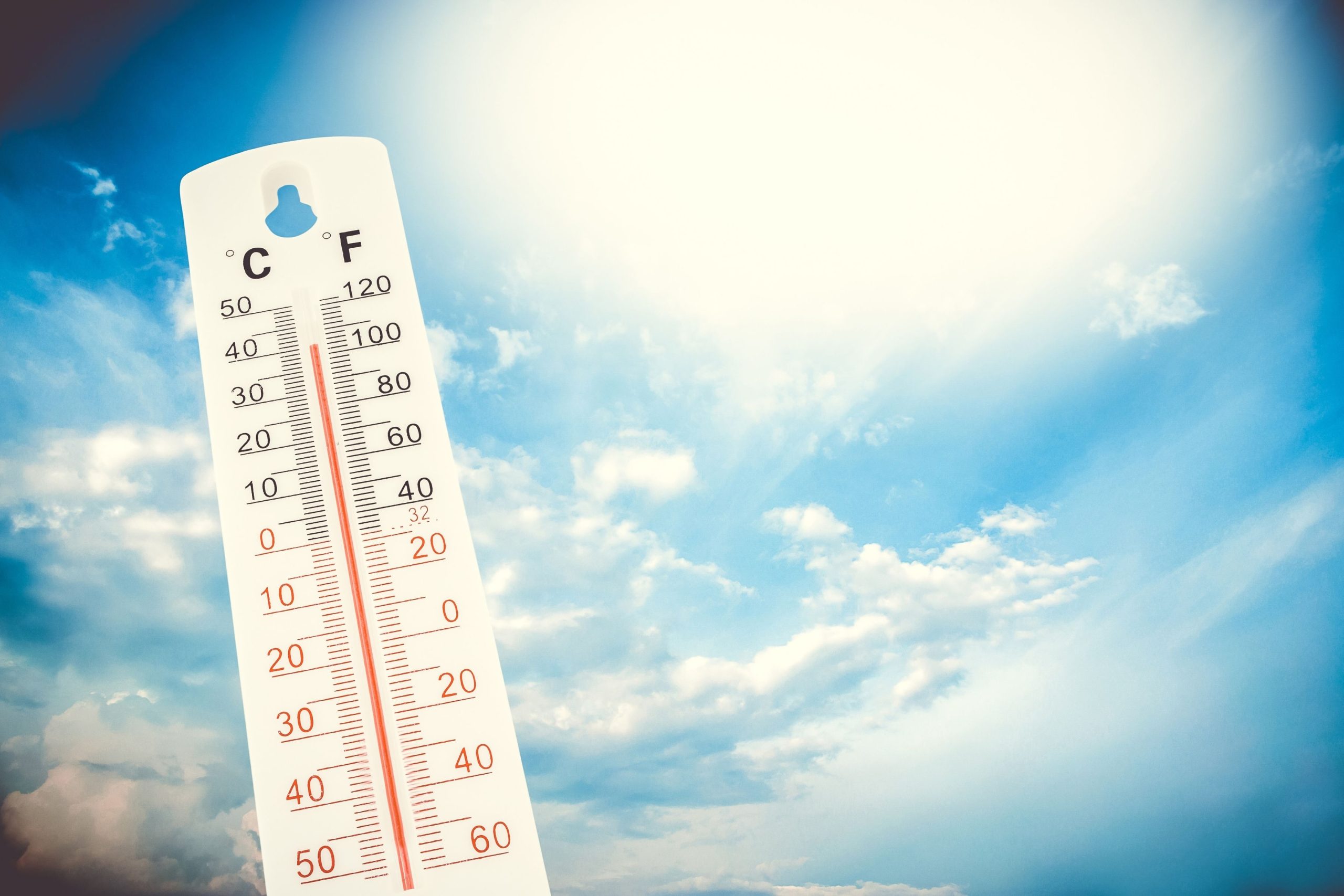
Never has the food chain and the public been more acutely aware of the impact of climate change than it has been this summer.
According to the Energy Climate and Intelligence Unit (ECIU), the 2026 UK harvest is set to be the worst since Department for Environment Food and Rural Affairs (Defra) records began in 1984.
A series of unprecedented heatwaves hit in May, June, July and August, following a very dry April. This has dragged down farm production across the board, pushing even farmers sceptical of climate change to express serious concerns. This is shaping up to be the third terrible year for harvests the UK has suffered in a row – and the picture is worsening.
At current ex-farm prices, the difference between these earlier forecasts and AHDB yield estimates is a loss of between £305 million and £390 million.
In the case of dairy herds, pastures have been eaten bare, maize yields are painfully low and cows are rapidly depleting silage with funds at all-time lows to buy top-up feed. On top of that, instances of bluetongue are soaring, already dragging milk yields down.
Repeated droughts are having a cumulative effect
Last year’s drought lasted well into the winter for many regions and if the pattern persists, the situation could be further compounded next year.
Nor is this picture limited to the UK. The whole of Europe has been grappling with similar conditions.
The Government has responded to water shortages by announcing measures that make it easier to build reservoirs and allocating up to £15 million for on-farm reservoirs.
Given the number of fires (wild or otherwise) the Government is called upon to put out across regional and national infrastructure and the wider economy, that is something for which we should be grateful. However, to follow one pun up with another, given the scope of climate impact, it’s still a drop in the ocean.
Moreover, Westminster’s public calls for retailers to keep prices low for consumers in the middle of all this are ill-timed. They send the wrong message about farmers and processors wrestling with increased costs and display a naivety about the delicate balance of supply and demand.
“Despite the establishment of numerous taskforces and groups, in the face of patent threats to UK food security and resilience, there remains no centralised, coordinated plan for worst-case scenarios.”
What is more worrying, however, is that, despite the establishment of numerous taskforces and groups, in the face of patent threats to UK food security and resilience, there remains no centralised, coordinated plan for worst-case scenarios. Departmental silo working prevails. Faced with the chaotic impacts of climate change and geopolitical shocks, Government can no longer afford to operate in this way if it is to respond to events in an agile manner. Its food strategy group has gone rather quiet and recent calls to stock up on bottled water and tinned food hardly cover all the bases.
We need a truly representative, cross-sectional industry-led group meeting regularly and collaborating with ministers to drive a long-term food strategy that is progressed with the support of, not dependency upon, successive parties in power.
We could start by aligning all utilities to back food manufacturers. Given that food is one of the 13 critical infrastructures, and given the cumulative impacts from climate change, it is staggering that there is no known plan to protect water supply for processors.
Each part of the food supply chain needs to be assured of continued support in all vital areas for it to be sustainable. It is no good for farmers to have the water they need if food manufacturers lack the water to clean production lines and, therefore, to process food safely.
Yet, the current administration continues to take the food industry for granted and allow no leeway for ‘black swan’ events. That is a dangerous gamble.

The Provision Trade Federation (PTF) is a food trade association representing processing, manufacturing and trading companies. Rod Addy has extensive communications experience having worked on food trade press publications for more than 20 years. As director general of the PTF he has responsibility for the overall direction and strategy of the organisation.