
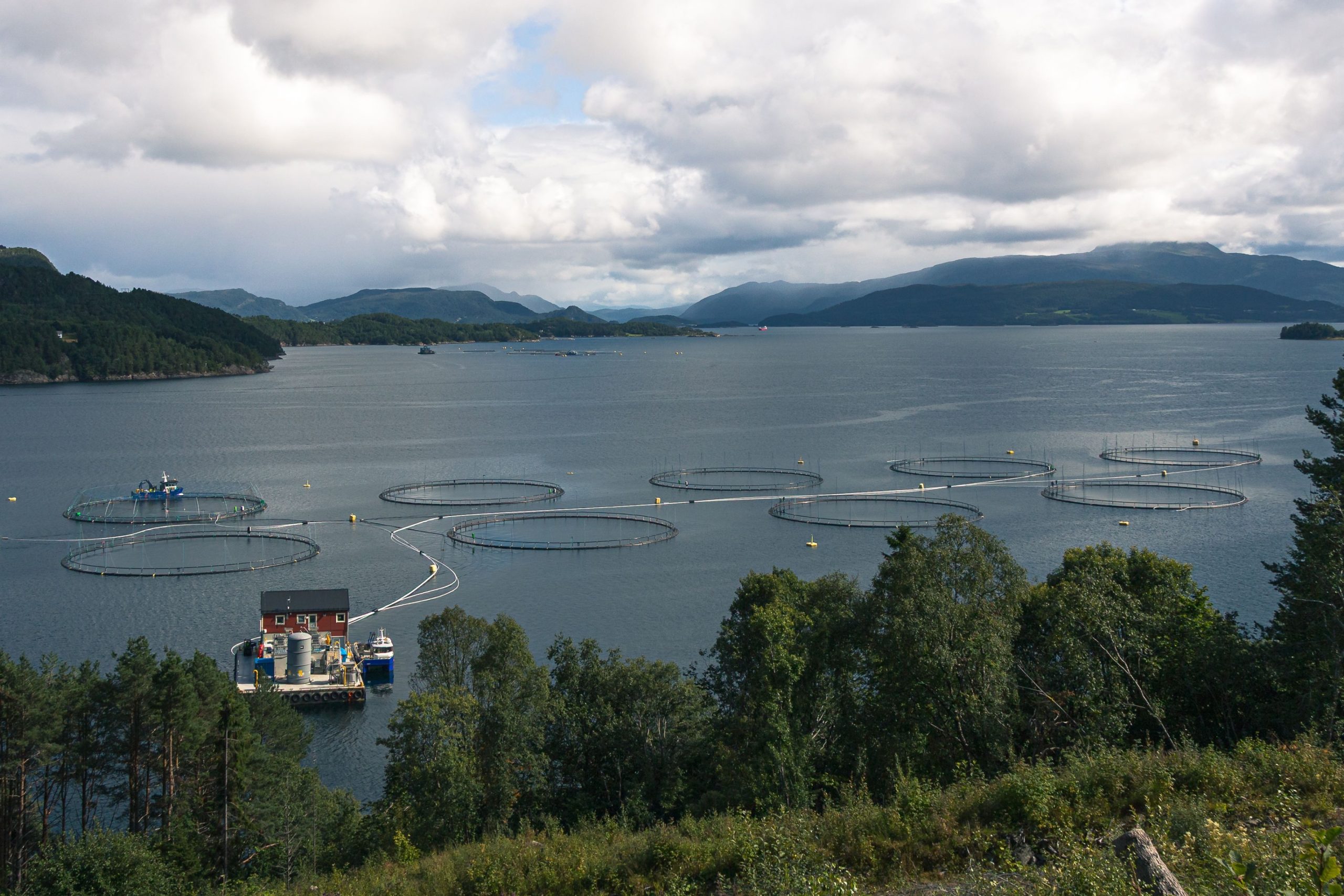
Lerøy Seafood Group supplies farmed salmon to UK retailer Tesco, and has told journalists that across all of its offshore salmon farms, it has introduced chicken by-products as feed.
The feed is made from poultry by-products that are sourced from poultry produced for human consumption, with Lerøy Seafood Group stating that the poultry feed has a nutritional profile making it “well suited” as salmon feed.
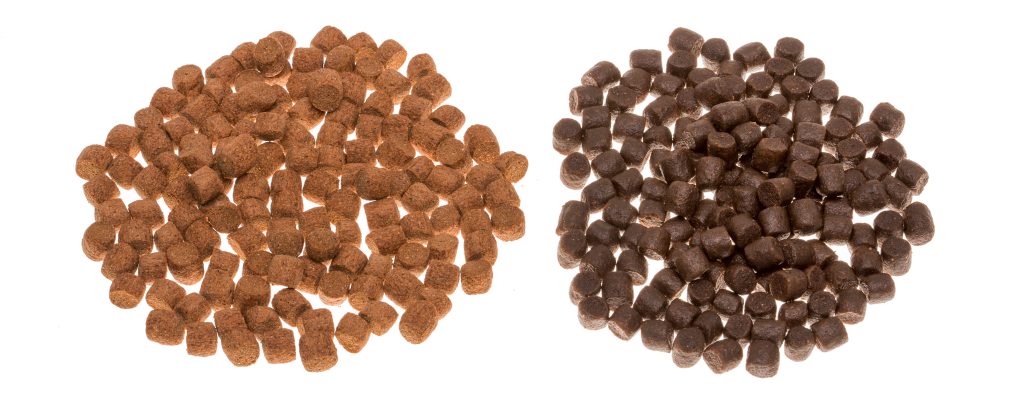
Jørgen Skeide, manager of feed at Lerøy Seafood Group, commented: “As with all animal farming, farmed salmon are provided with feed tailored to their nutritional needs. Feed composition is continuously adjusted to support fish welfare and performance, product quality, and the responsible sourcing of raw materials.
“Salmon feed typically consists of a combination of marine proteins and oils, plant-based proteins and oils, carbohydrates, and essential micro-ingredients such as vitamins and minerals. The inclusion levels of individual ingredients vary depending on nutritional requirements and sourcing considerations.
Salmon are naturally predatory fish, and poultry meal has a nutritional profile that makes it well suited as a feed ingredient. However, it accounts for only a small proportion of the finished feed.
“Lerøy takes sustainability seriously, and we believe that increasing circularity in our feed systems is an important step we can take as a responsible food producer.
“We only use by-products from poultry produced for human consumption, meaning parts that would otherwise not be used as human food. Their nutritional profile, relatively low carbon footprint, and the scale and availability of European poultry production make these by-products a suitable ingredient for North Atlantic salmon farming.
“Strict quality and traceability requirements are in place to safeguard fish health and food safety. Lerøy is therefore confident that the responsible use of poultry by-products as a feed ingredient is a sound choice from both a nutritional and sustainability perspective.”
“Retailers work closely with their suppliers to source more sustainable feed, taking into account factors such as the environmental impact of ingredients.”
Jim Bligh, director of food policy at the BRC, stated: “All fish feed is licensed and strictly controlled by the Food Standards Agency. Retailers work closely with their suppliers to source more sustainable feed, taking into account factors such as the environmental impact of ingredients and alternative options that can reduce the pressure on wild caught fish species.”
The announcement has met with some negative press reaction in the UK. Margareth Overland, a professor of aquaculture nutrition at the Norwegian University of Life Sciences, told the Financial Times: “This is a very sensitive issue. Consumers have historically been very sceptical. But the market seems to be more ready now.”
According to the FT, salmon supplier Mowi also intends to use poultry-based feed at its Norway and Scotland farms. Until 2013, the use of livestock by-products as fish feed was prohibited in Britain.
A Salmon Scotland spokesperson said: “Scottish salmon farmers are committed to producing high-quality, nutritious food, with fish health, welfare and food safety at the heart of everything they do.
“No Scottish salmon producers use poultry-derived proteins in their feed. Feed ingredients are carefully selected to meet the requirements of customers.
“All feed used in Scottish salmon farming must meet strict UK regulatory standards for safety and quality, with the sector continually exploring ways to improve sustainability while maintaining the high standards consumers expect.”