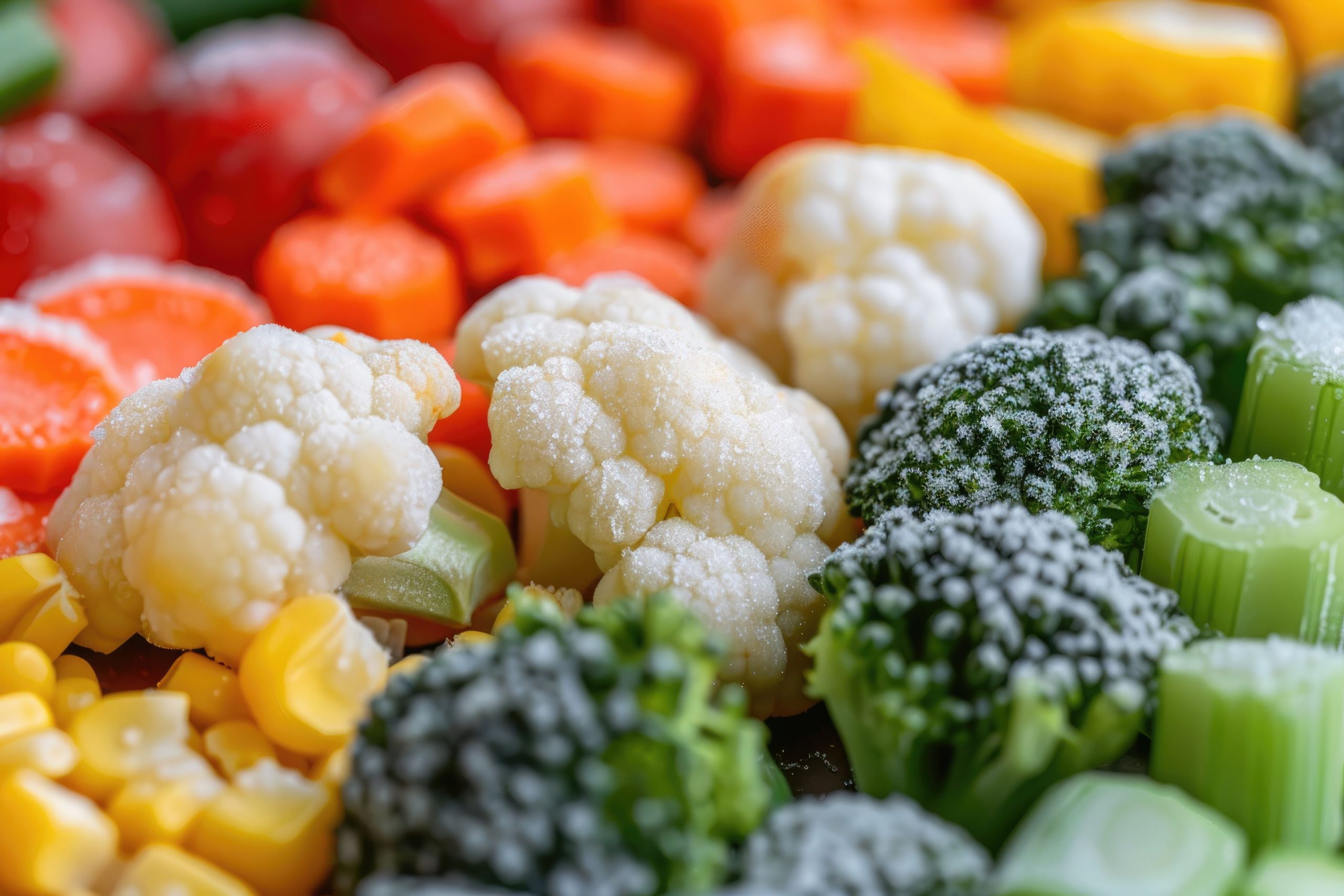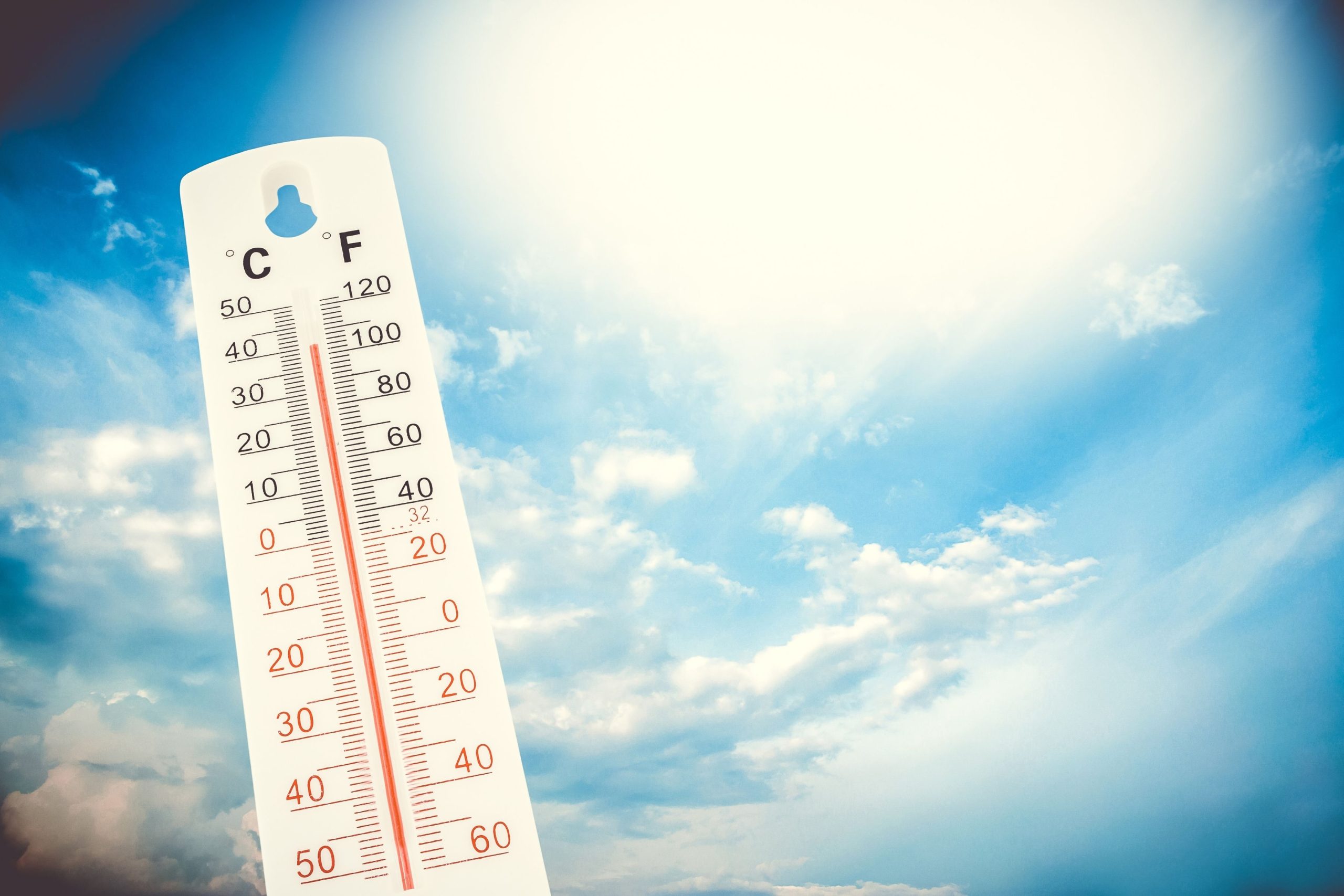


Locations also reported fires as a result of the hacking, which saw internal fridge and freezer temperatures increased to up to 50°C.
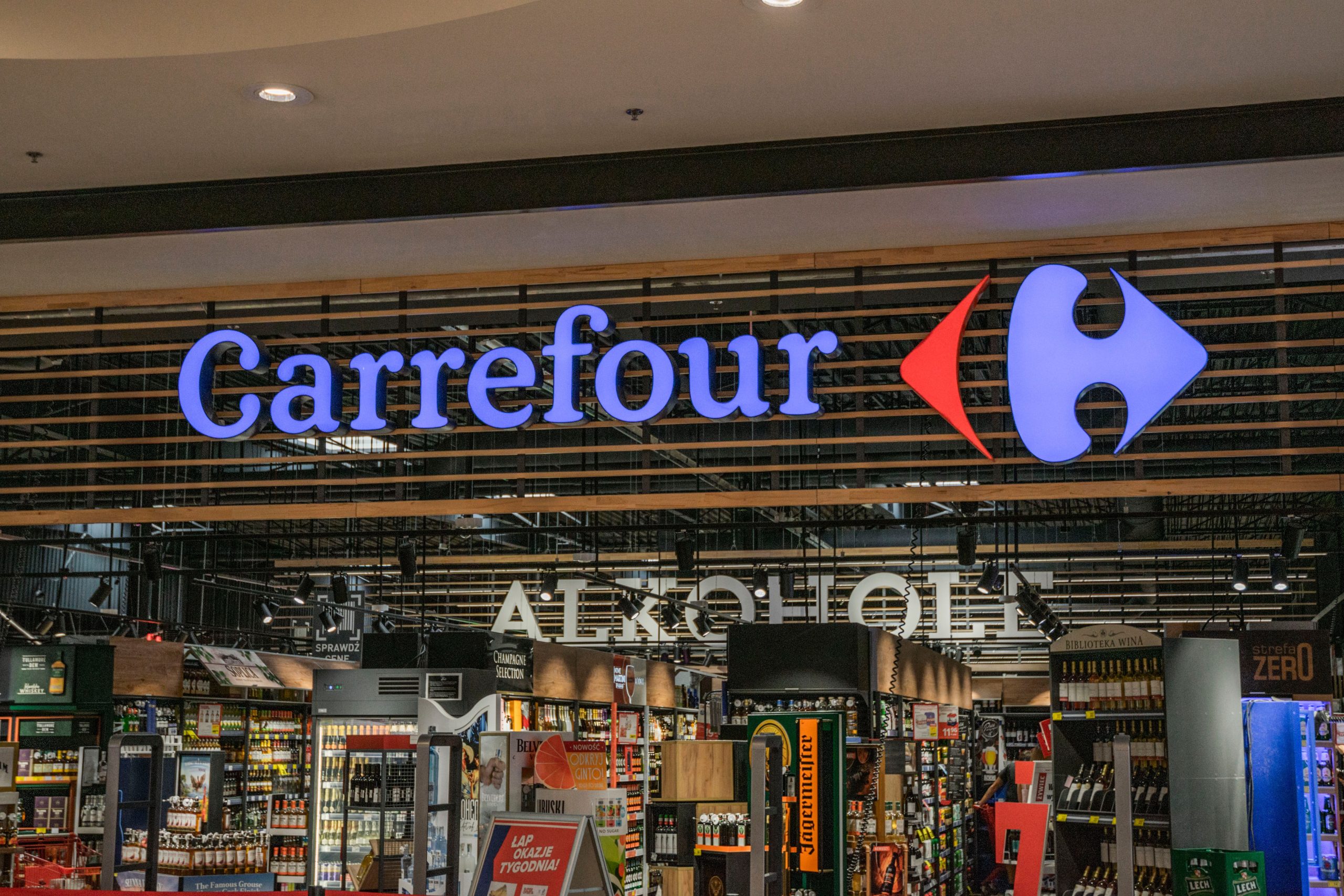
Supermarkets including Carrefour, Monoprix and Intermarché have all reported being impacted by the cyber-attack. Around 150 fridges at Intermarché locations were said to have been heated to 50°C overnight, resulting in the retailer’s owner, Les Mousquetaires, instructing stores to destroy all affected food.
Monoprix stated that 5% of its 490 France stores had been affected, while Carrefour reported 80 affected locations.
Dominique Schelcher, CEO of retail group Coopérative U, which was also affected, stated on social media platform ‘X’: “80 stores in our network were affected, out of nearly 2,000 points of sale. In the vast majority of cases, the responsiveness of our teams made it possible to counter the attack and prevent any disruption to the cold chain.
“In the stores where this was not possible, the affected products, which had experienced a cold chain break, were immediately withdrawn from sale and destroyed. Our absolute priority remains the food safety of our customers.
“Targeting equipment essential to the preservation of fresh products is an attack on the French food supply chain. It is unprecedented, extremely serious, and unacceptable.”
The affected stores were said to have been using software from engineering company Danfoss. Speaking to journalists, the company said that the hacked fridges were older units with outdated software, and warned that businesses should keep systems up to date.
UK must be prepared for disruption
Rupert Ashby, CEO of the British Frozen Food Federation (BFFF), commented: “This awful attack highlights the urgent need to take a serious look at how resilient our food supply chain really is.
“Outdated systems that no longer receive security updates leave critical infrastructure exposed and that cannot be allowed to happen. Manufacturers must take responsibility for the ongoing security of their equipment, particularly where failures can put our whole food chain at risk, lead to significant waste, and threaten the food security of our nation.
“The UK has to be better prepared for disruption, whether it’s the result of cyber attacks, geopolitical instability or climate impacts. That means robust contingency plans, ensuring backup power is available, and making sure food can be moved quickly when problems arise. Frozen food has an important role to play in building resilience. Its longer shelf life gives retailers, caterers and consumers greater flexibility when supply chains come under pressure.
“The recent downgrading of the food and farming portfolio away from a senior ministerial position raises concerns in the industry about whether food security is getting the political attention it deserves. However, Government and industry must work together to identify vulnerabilities and put safeguards in place before the next crisis hits. Food security is fundamental not just to national resilience, but our very existence, and we need to treat it as a priority.”