

The Chancellor said the Budget would give businesses breathing space, but FDF said that it would do nothing to ease pressures for manufacturers.
Government revealed that in 2027/28 and 2028/29 small business rate relief in England will be more generous for retail, hospitality and leisure (RHL) properties than non-RHL properties. The threshold was increased from £12,000 to £18,000, with Healey claiming that the move would mean 70,000 businesses will not pay any business rates. The National Living Wage will also increase by 3.9% to £13.21 an hour.
Healey went on to say the fuel duty cut would be extended until July 2027, as he confirmed red diesel would be “slashed to its lowest rate in over 20 years”. Government also revealed a number of tariff cuts for food products, including garlic, gherkins, jams and boiled sweets.
Karen Betts, chief executive of The Food and Drink Federation (FDF), stated: “This Budget offers nothing to ease the pressures food and drink manufacturers are under. Instead, one of the Chancellor’s flagship announcements, removing tariffs from some food and drink products, will have no meaningful impact on consumer prices. But it will undermine British factories and their workers, grappling with much higher costs, producing the same products.
“Food and drink manufacturing should be central to the Government’s growth and reindustrialisation agenda. But time and again, we are treated as an afterthought. The Treasury in particular has persistently failed to recognise the importance of food and drink manufacturing to jobs and prosperity the length and breadth of the UK.
“Nor does this Budget attempt to address the acute pressures our sector is currently facing. Very high energy costs combined with overly complex regulation is turning investment away from our sector and to competitors overseas. This is eroding confidence across the entire food system.
“The Government has chosen not to extend energy support, available to other manufacturing sectors, to food and drink businesses, which would have helped to strengthen our sector in the face of overwhelming pressures. Our energy costs are double the European average, and this is hitting investment, jobs and growth. If Government is serious about tackling the cost of living, there is plenty they can do. But today they have made a clear choice to do nothing.”
Resilient food industry “needs the capacity to invest”
Rupert Ashby, CEO of the British Frozen Food Federation (BFFF), commented: “The business rates measures announced in the Budget will be welcome for those smaller businesses in the frozen food sector that qualify for the additional relief. However, the wider cost base facing the food industry remains a serious concern.
“Previous increases to employer National Insurance contributions and the National Living Wage have placed significant pressure on businesses. With the minimum wage rising again, employers face further costs at a time when they need to recruit, develop the next generation of talent, and invest in the resilience of the UK food supply chain.
“Our members have worked hard to absorb these pressures, but there is a limit to how long businesses can continue to do so. A resilient food industry needs the capacity to invest, innovate and create jobs, rather than simply manage another round of rising costs.
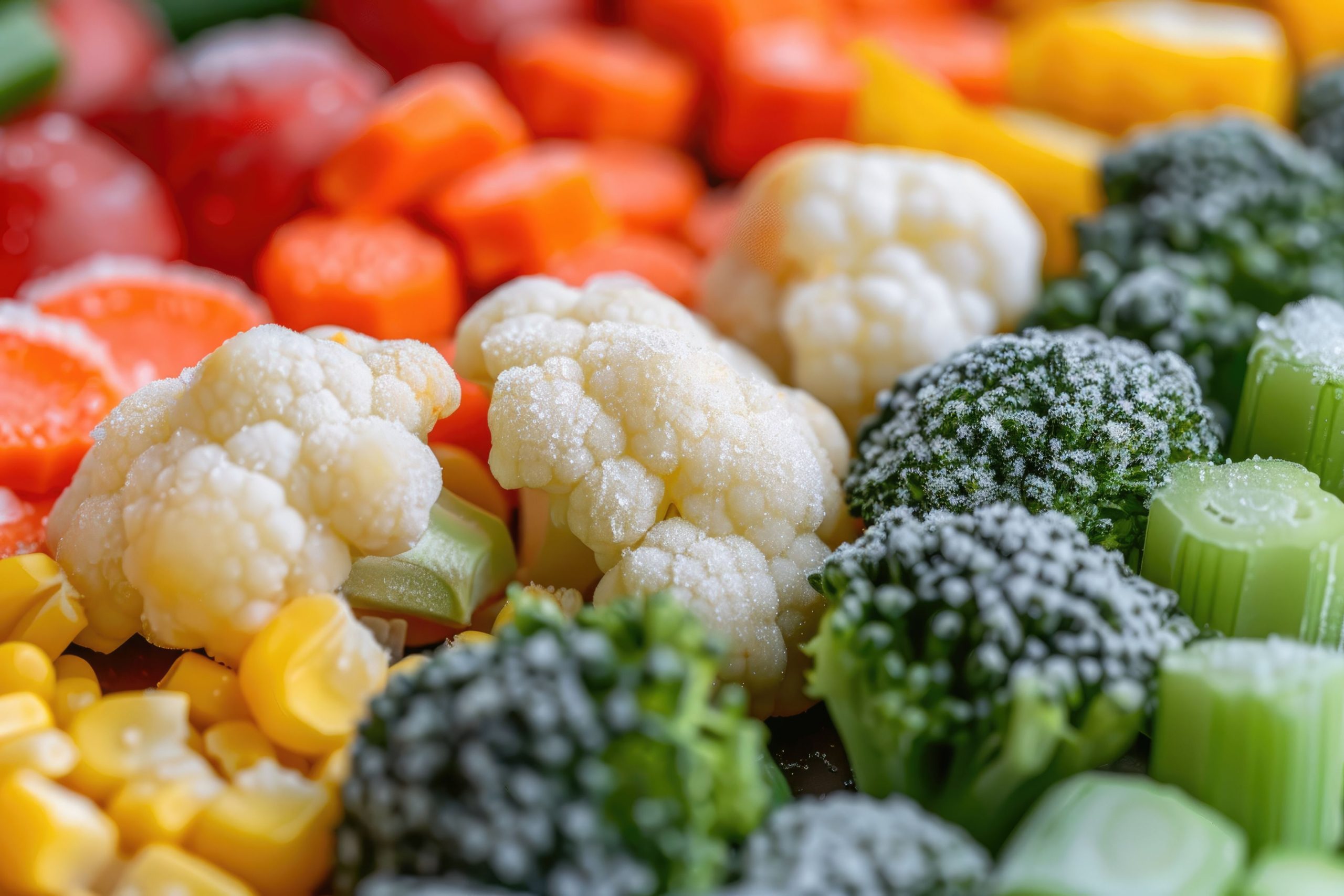
“For a Government focused on the cost of living, BFFF members may have a wry smile looking at our recent research that shows that a family of four could save around £1,300 a year by choosing frozen fruit and vegetables over fresh alternatives for their daily fruit and veg.”

James Walton, chief economist at the Institute of Grocery Distribution (IGD), stated: “Today’s Budget comes against a challenging economic landscape, with the OBR downgrading next year’s GDP growth forecast. Against this backdrop, the Budget will provide some targeted relief for households, rather than a substantial easing of pressure across the food and drink industry.
“Business rate changes could help eligible smaller operators and tariff cuts may reduce selected sourcing costs. On the other hand, higher living wages will add to payroll costs, meaning impacts will vary by business. For an industry facing flat volumes and incredibly tight margins, these measures do not fundamentally change the ongoing pressures businesses face.
“Support for shoppers offers some breathing space but is likely to help protect grocery spending, rather than deliver a significant boost to demand. Households remain under pressure and any true relief feels far off.”
“The Government’s budget… gives a worrying lack of attention to the UK’s food system as prices continue to rise, with healthier food nearly twice as expensive per calorie as less healthy.”
Anna Taylor, executive director of The Food Foundation, said: “The Government’s budget recognises the cost-of-living crisis through measures on energy bills and housing but gives a worrying lack of attention to the UK’s food system as prices continue to rise, with healthier food nearly twice as expensive per calorie as less healthy. Removing tariffs on items such as gherkins, toffees and sweets falls short of the urgent need to make healthy and sustainable food accessible and affordable to all. As economic pressures push healthy diets further out of reach, the NHS is left to bear the cost.
“We need the expansion of nutritional safety net schemes, such as Healthy Start, which gives targeted support for the UKs most vulnerable pregnant women and parents of toddlers so that they can access vital healthy items. We also want to see a Good Food Bill that sets out a coherent long-term plan for the food system, brings Government departments together behind legally binding targets and safeguards the British population from future shocks.”