
The package will aim to tackle costs people face every day, and comes ahead of the Budget on Wednesday 28th October.
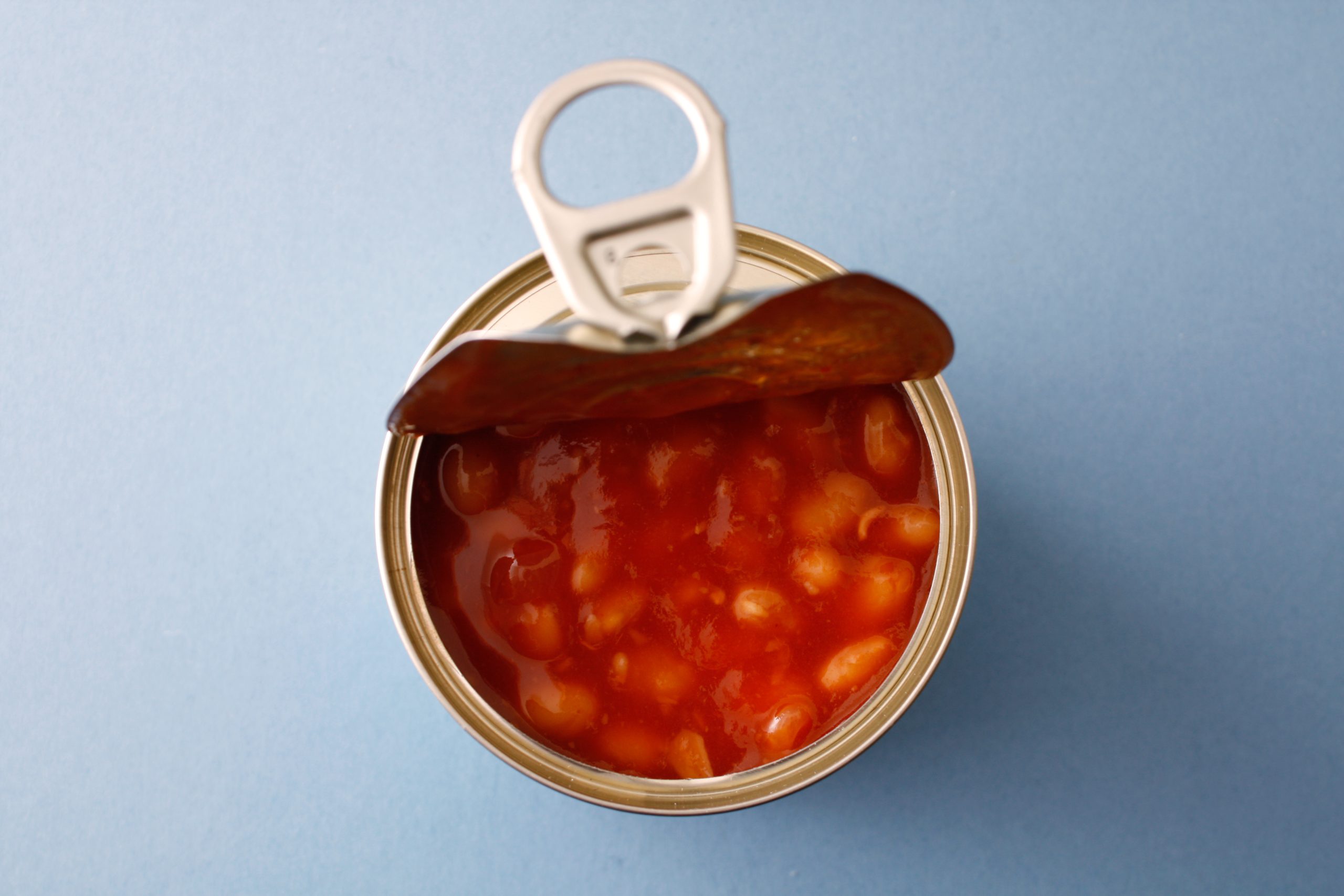
The announcements include removing import tariffs on more than 100 products such as baked beans, chocolate and gherkins, as well as putting measures to aimed at supporting farmers facing higher fertiliser bills and households that rely on kerosene heating oil. Government claimed that alongside tariff suspensions already introduced, households could save up to £21 on their food shop each year.
Other products that will see tariffs cut include throat pastilles, boiled sweets, garlic and citrus jams.
Chancellor of the Exchequer John Healey said: “Today’s everyday fixes are just a small part of what we are doing to give families a bit of breathing space.
“Conflict in the Middle East and Europe is hitting families here at home through higher everyday costs. We can’t control global events, but we can act where we can make a difference.”
This is the second Government-led cost-of-living tariff package this year, following an initial package introduced in June covering products including pasta, fruit juice and tuna. Together, Government said that the two packages are expected to reduce consumer costs by approximately £245 million to £595 million a year.
“We are concerned about removing tariffs on finished food and drink products that are manufactured here in the UK.”
Balwinder Dhoot, director of sustainability and growth at The Food and Drink Federation (FDF), stated: “Food manufacturers are committed to keeping costs as low as they can for consumers and removing tariffs from key ingredients can help with this. However, we are concerned about removing tariffs on finished food and drink products that are manufactured here in the UK. Doing this would have a limited impact on prices, while hitting British businesses and jobs.
“It’s more expensive to make food and drink here in the UK than in many of our close neighbours, as businesses face such high energy costs. If Government wants to help UK shoppers and protect jobs, they would be better off looking at bringing down these costs, for example by extending existing energy relief to include food and drink manufacturing.”
Government launches ‘Be Ready’ campaign
The news comes as the UK Government has also called for the nation to prepare for food shortages by stockpiling long-life food as part of its Be Ready campaign.
It said the campaign would “bolster UK’s preparedness for emergencies”, in line with countries such as France, Ireland and the Netherlands.
The campaign highlighted that consumers should stockpile three days of non-perishable food that doesn’t need refrigeration or cooking, such as tinned meat, fish and vegetables, as well as dried fruit and nuts.
Dan Jarvis MP, Security Minister, said: “Those who can follow this advice should follow this advice. By taking simple steps to be ready for everyday emergencies like severe storms, people can reduce pressure on emergency services, helping them prioritise people who need more support in an emergency.
“This is just the sort of community-focused campaign the UK needs to improve our resilience as a nation. It will bring us into line with European counterparts, where advice like this is a normal part of everyday life.”