
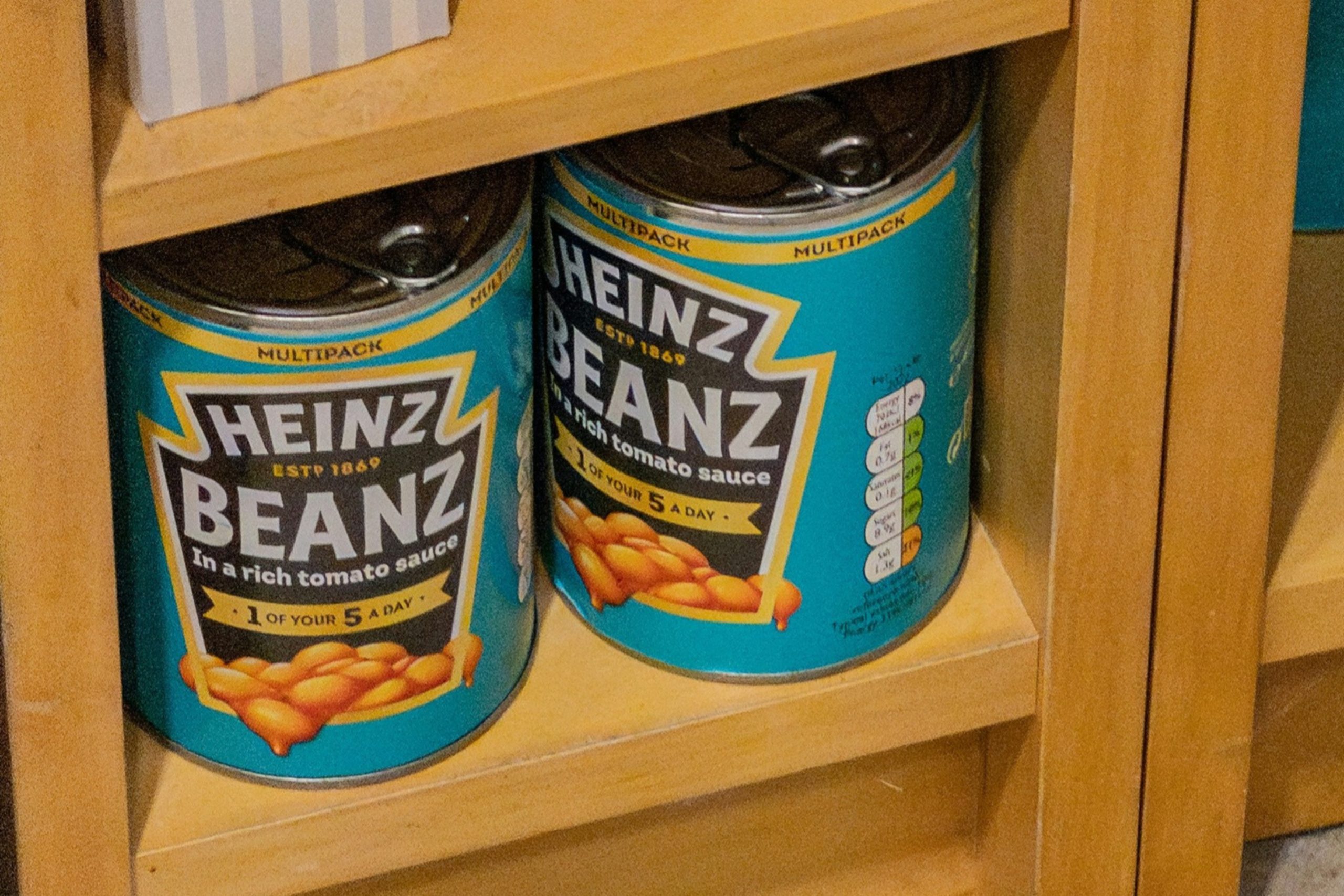
Research from Barclays found that the Government campaign had resulted in more than one in four UK adults stockpiling food and drink. The campaign encouraged consumers to prepare for at least three days of disruption to essential services, promoting the purchase of tinned, dried and non-perishable food.
Fewer than half (44%) said their household currently has enough food and drinking water to last at least three days. A further 22% have enough food but not enough drinking water, while 10% have enough drinking water but not enough food. One in nine (12%) say they have neither enough food nor enough drinking water for at least three days.
The findings showed an age split, with three in ten 18- to 34-year-olds (31%) saying they have enough food and drinking water for at least three days, compared with 45% of 35- to 54-year-olds and 53% of those aged 55 and over. Meanwhile, 18% of 18- to 34-year-olds say they have neither, compared with 8% of those aged 55 and over.
Barclays’ findings pointed to a “quieter kind of stocking up” than in the first weeks of the Covid-19 pandemic. In March 2020, Barclays data showed supermarket spending rose 21.3% year-on-year. Spending at specialist food and drink stores, such as greengrocers and off-licences, grew 30.5%, and discount stores rose 25.2%. In the week before tighter restrictions came in (16th to 22nd March 2020), supermarket spending jumped 49%.
At the time, research from the Institute for Fiscal Studies found the spike was driven mainly by many more households than usual buying a little extra, rather than a small number buying in bulk – the same small-steps approach the ‘Be Ready’ campaign now encourages, said Barclays.
“This feels very different to the empty shelves of 2020. It’s people putting an extra tin or a pack of batteries in the trolley, just in case.”
Steven Fergus, head of retail at Barclays, stated: “A lot of people are clearly asking themselves, ‘what would I do if the power went off or the taps ran dry for a few days?’ That’s a sensible question. And this feels very different to the empty shelves of 2020. It’s people putting an extra tin or a pack of batteries in the trolley, just in case.
“The worry is that fewer than half of households could get through three days right now, and younger people are the least ready. You don’t need to do it all in one go. Adding one or two bits to your weekly shop is an easy way to get there without a big hit to your budget.”