

The authoritative independent voice of the UK food industry

The authoritative independent voice of the UK food industry

News

Chancellor and Bank of England plan to review profits in the food industry to mitigate inflationary pressures

29 Jun, 2023

Chancellor Jeremy Hunt and the Bank of England are reported to be looking at profit margins in the food industry supply chain.

Interested in reaching the food industry?

Explore our media pack for all of our advertising opportunities and partnership options.

As reported by The Financial Times (FT) Chancellor Jeremy Hunt, together with the governor of the Bank of England, Andrew Bailey are to look at profit margins of companies in the food industry supply chain alongside other sectors to mitigate inflationary pressures on households.

The FT said that Bailey had informed a central banking conference that one of the reasons food retail prices did not mirror the falls in world prices for raw materials was that food manufacturers were locked into long-term contracts with retailers.

An opposing view is held by international procurement and supply chain management consultancy, Inverto, which is calling on retailers to develop strategic partnerships with suppliers.

Sushank Agarwal, managing director at Inverto, said that many of the food products still seeing the highest levels of inflation are those where supermarkets have traditionally only had ‘transactional’ relationships with suppliers, and in particular producers.

According to the Office for National Statistics, these products include:

  • Eggs – 37% inflation
  • Low fat milk – 33.5% inflation
  • Cheese – 30.6% inflation
  • Yoghurt – 23.4% inflation

Agarwal said these relationships need to become more ‘strategic’ in order to address inefficiencies, improve productivity and cut waste, to bring prices under control.

He added: “For many years, supermarkets have procured a lot of staple foods in a very transactional way – based mainly on price, with short-term contracts. That resulted in suppliers not being able to invest in their businesses, which is one reason why food inflation is not going away.

“Along with the effects of the war in Ukraine, geopolitical tensions affecting global supply chains and the UK’s labour shortage, the inefficiency of some food producers is the fourth major component of food inflation.

“Farmers cannot be blamed for not investing in automation and increased efficiency when they only had short-term contracts at minimal margin. That limited their ability to re-invest profits. Supermarkets need to move away from this model and towards a more strategic approach where they partner with suppliers to deliver long-term mutually beneficial relationships.

“That means not only working with farmers to increase their yields, but also with their supply chain – packaging, feed producers, waste handling and transportation may all need to be addressed. Supermarkets should look at the entire support chain as being in partnership with them.

“Food producers will only be able to make those investments if they have longer-term certainty over their income. That means longer-term partnerships, not just three months commitment.”

The full report in The Financial Times can be read here.

Latest News

ABF grocery revenue grew 1% in Q3

According to a trading update from Associated British Foods, the group’s grocery category achieved revenue of £1,043 million in the 12-week period to 23rd May 2026.

IT'S BACK!

Product nominations are now open for UK Sausage Week. You may have an award-winning product. Click here to nominate your sausages today for free!

Everything you need to know about the Food Management Industry Awards can be found through our dedicated website.

Some of the leading companies that have participated in the Food Management Today Industry Awards...

Healthy diets need practical, accessible solutions. Frozen food is ready to deliver.

Rupert Ashby, chief executive of the British Frozen Food Federation (BFFF), explains why frozen food will play a key role in helping people across the UK eat a healthier diet.

Supporting seafood careers through skills and training 

Seafish onshore training advisor, Richard Wardell, outlines some of the training opportunities available through the organisation for workers in the onshore sectors of the seafood industry.

How geopolitical volatility is impacting the food and drink industry

As geopolitical tensions continue to impact costs, businesses must take a proactive approach, says Eliot Bassett, managing director at currency risk management service Lumon Corporate.

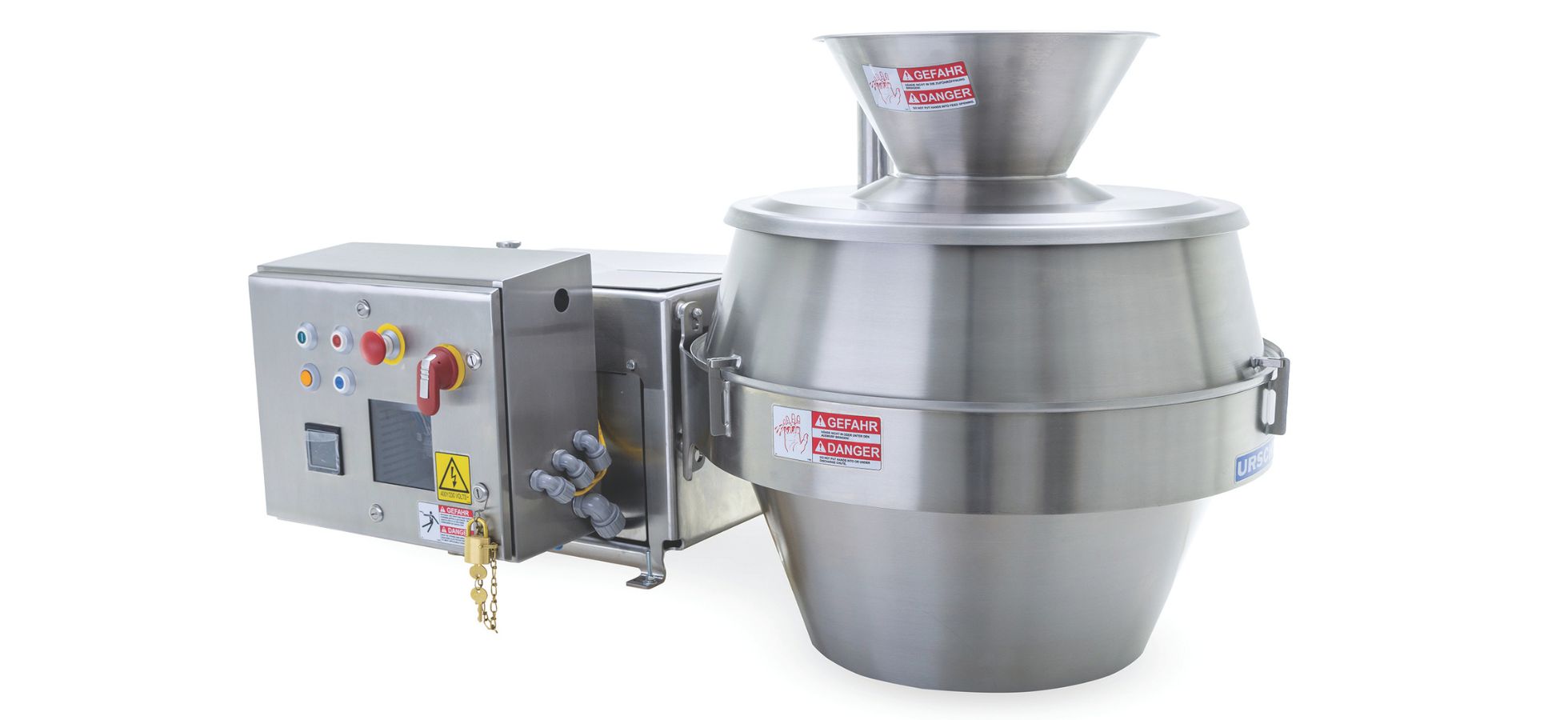
Cheese shredding solutions by Urschel

Leading cheese processors rely on optimised dicing and shredding solutions supplied by Urschel.

The Multivac Total Offer: end-to-end lifecycle support

Streamline your operations with a joined-up approach to equipment, materials and service solutions from Multivac.

Revolutionise your sterilisation: how the Static Steriflow solves real production challenges

Interfood Technology talks to Food Management Today about the Static Steriflow, engineered for versatility and reliability in food production environments.

Sign-up for our newsletter and alerts

"*" indicates required fields

Name*

Which emails would you like to receive from us?

Please select an option*
* By subscribing or opting in to any communication you also give permission for us to send you occasional general information updates about this media portfolio. You can opt out or change your preferences at any time.