

The authoritative independent voice of the UK food industry

The authoritative independent voice of the UK food industry

News

Confectionary prices rise while butter costs fall

21 May, 2024

Kantar has released its latest grocery figures, reporting price rises in confectionary as grocery inflation sits at 3.1%.

Interested in reaching the food industry?

Explore our media pack for all of our advertising opportunities and partnership options.

Research firm Kantar has released its latest grocery figures, reporting price rises in confectionary as grocery inflation sits at 3.1%.

Grocery inflation stood at 3.1% for the 12-week period ending 12th May 2024, with Kantar reporting price increases in categories such as sugar and chocolate confectionary. It said that prices are falling fastest in the butter and milk categories.

Ocado claimed the title of fastest growing grocer over the 12 weeks to 12th May, as sales increased by 12.4% – this was ahead of the total online market, which saw sales increase by 5.4%. The online retailer accounted for 1.8% of the grocery market, with this figure rising to 3% in London. Outside of the capital, Ocado saw its strongest growth in the south and east of England where one in 20 households shopped at the retailer in the latest 12 weeks.

Lidl reached a new record-high market share of 8.1%, fuelled in part by its bakery counters and its loyalty scheme. A quarter of baskets featured freshly baked bread, cake or pastry at Lidl in the last 12 weeks, and coupons through the Lidl Plus app pushed volume sales of in-store bakery items over 40%.

Tesco took 27.6% of the market, an increase of 0.5% since last year, and its 5.6% growth in sales was matched by Sainsbury’s, whose market share increased 0.3% to 15.1%. Asda held 13.1% of the grocery market, while Morrisons and Aldi held 8.6% and 10% respectively.

Both Waitrose and Iceland held market share steady at 4.6% and 2.3%, and Co-op’s share is now 5.4%.

Own label lines prove “resilient”

Fraser McKevitt, head of retail and consumer insight at Kantar, commented: “Grocery price inflation is gradually returning to what we would consider more normal levels. It’s now sitting only 0.8 percentage points higher than the 10-year average of 1.6% between 2012 and 2021, which is just before prices began to climb.

“Typically, an inflation rate of around 3% is when we start to see marked changes in consumers’ behaviour, with shoppers trading down to cheaper items when the rate goes above this line and vice versa when the rate drops. However, after nearly two and a half years of rapidly rising prices, it could take a bit longer for shoppers to unwind the habits they have learnt to help them manage the cost of living ‘crisis’.

“Own-label lines are proving resilient, for example, and they are still growing faster than brands, making up over half (52%) of total spending. Sales of premium own label ranges continue to increase too, up by 9.9% compared with a year ago.”

McKevitt continued: “It seems that many barbecues were given their first outings of the year during the most recent bank holiday weekend. Burger sales climbed by 13%, while beer and wine sales shot up by 9% and 21% respectively versus the Friday, Saturday and Sunday of the week before.”   

Latest News

Celebrating inspirational women in the meat industry.

Order your tickets for the ceremony on 20th November 2026 at the Royal Lancaster Hotel, London

Everything you need to know about the Food Management Industry Awards can be found through our dedicated website.

Some of the leading companies that have participated in the Food Management Today Industry Awards...

The impact of El Niño on food and drink businesses

The impact of El Niño on food and drink businesses

Eliot Bassett, managing director at foreign exchange and currency risk management service provider Lumon Pay, discusses how climate-related disruptions can have significant, long-lasting impacts across the global food and drink industry.

The impact of El Niño on food and drink businesses

Eliot Bassett, managing director at foreign exchange and currency risk management service provider Lumon Pay, discusses how climate-related disruptions can have significant, long-lasting impacts across the global food and drink industry.

How frozen food can help bolster the resilience of our vital national food supply

Rupert Ashby, chief executive of the British Frozen Food Federation, explains why frozen food is well placed to help tackle the UK’s pressing food resilience challenges.

Grocery retail’s next evolution: the rise of ‘sentient’ stores

The next competitive advantage in grocery retail won’t come from technology alone, but from stores that can turn live data into intelligence and action, says Toby Pickard, retail futures senior partner, IGD.

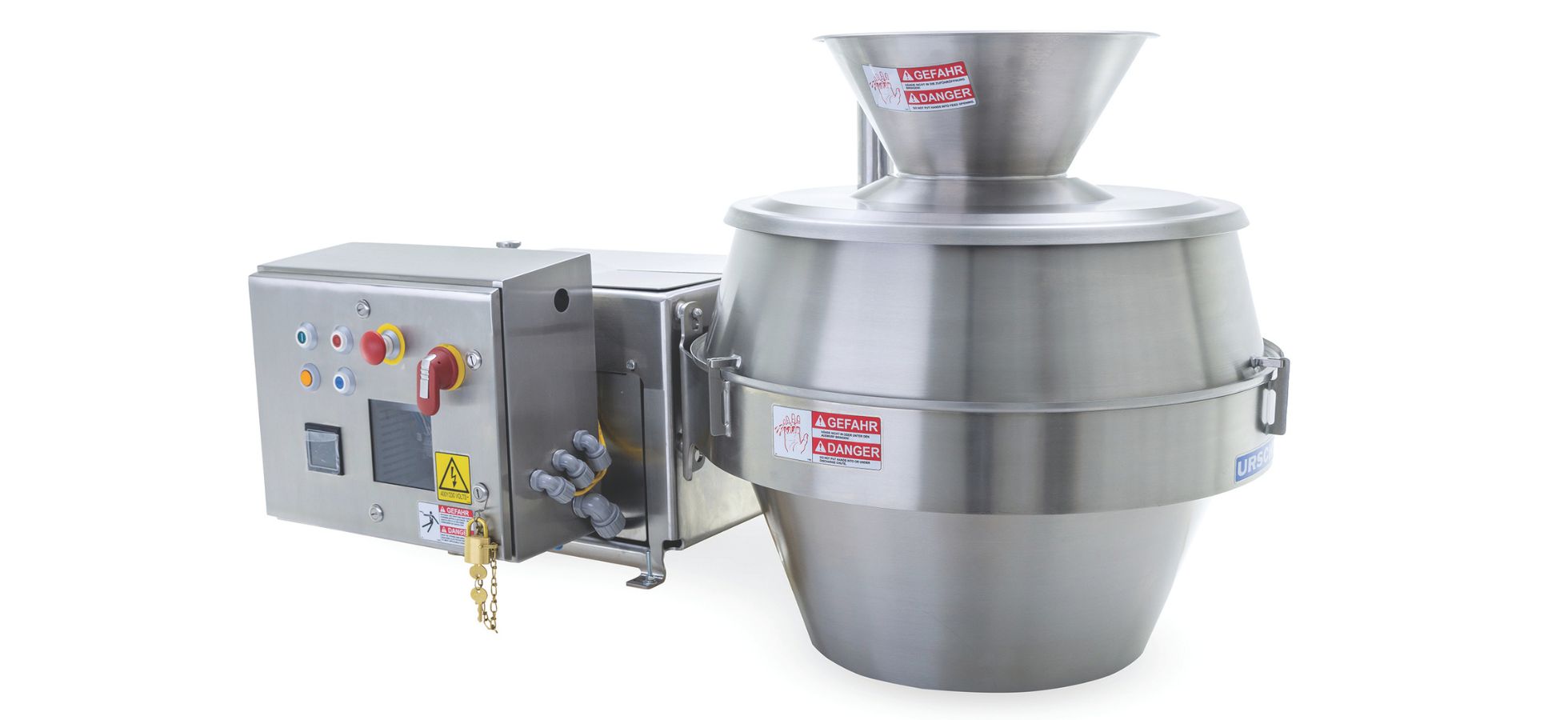
Cheese shredding solutions by Urschel

Leading cheese processors rely on optimised dicing and shredding solutions supplied by Urschel.

The Multivac Total Offer: end-to-end lifecycle support

Streamline your operations with a joined-up approach to equipment, materials and service solutions from Multivac.

Revolutionise your sterilisation: how the Static Steriflow solves real production challenges

Interfood Technology talks to Food Management Today about the Static Steriflow, engineered for versatility and reliability in food production environments.

Sign-up for our newsletter and alerts

"*" indicates required fields

Name*

Which emails would you like to receive from us?

Please select an option*
* By subscribing or opting in to any communication you also give permission for us to send you occasional general information updates about this media portfolio. You can opt out or change your preferences at any time.