

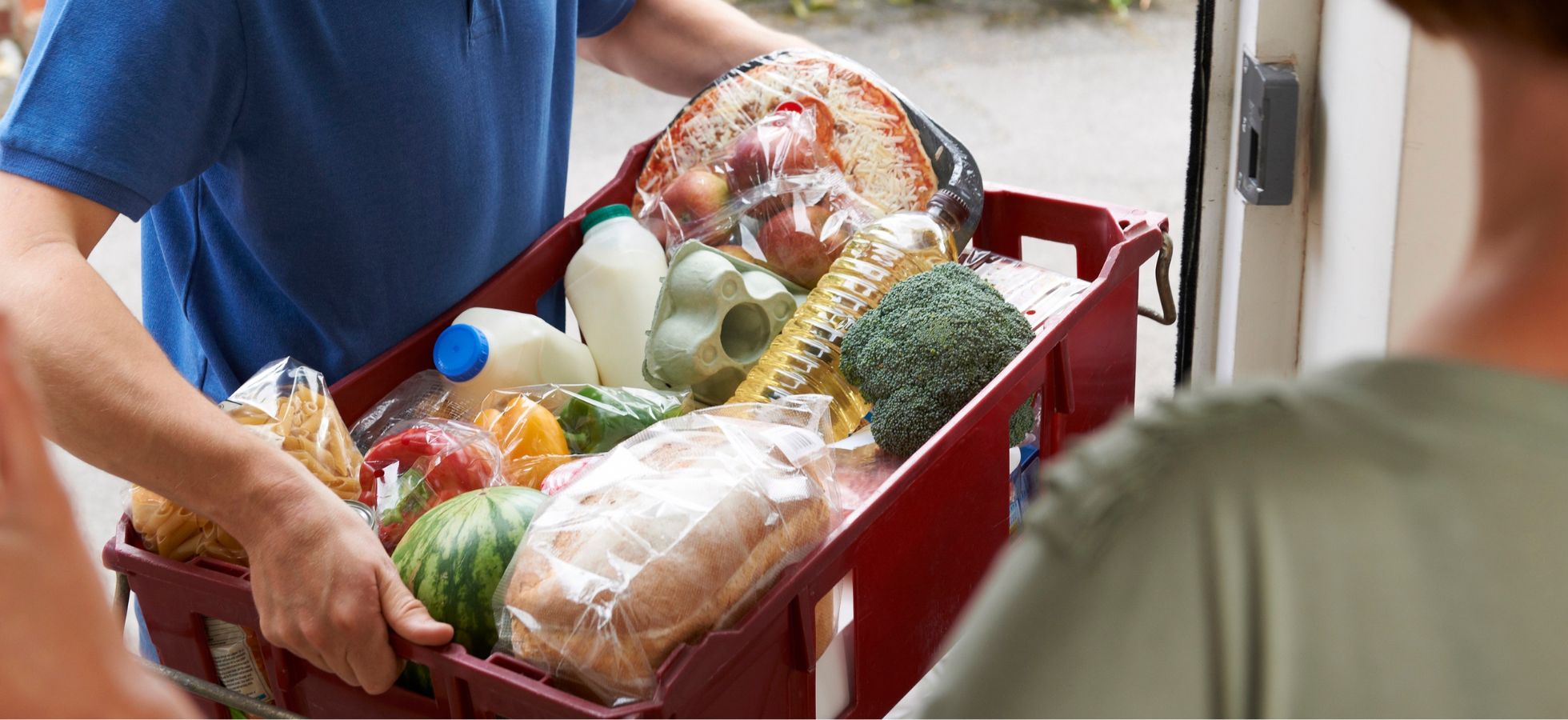
Research from the Institute of Grocery Distribution (IGD) has found that weekly use of quick commerce has increased to 33% in Q1 2026, with its use becoming more habitual for shoppers.
IGD said the UK online grocery market was “increasingly fragmented”, as nearly two‑thirds of online shoppers (63%) now use multiple online sub‑channels, switching between them depending on the mission.
The research also highlighted the growing influence of younger shoppers as Gen Z drove the use of quick commerce and social commerce. Based on a survey of 2,000 UK shoppers in Q1 2026, almost half of shoppers aged 18 to 24 (49%) said they had used quick commerce in the last four weeks, compared to only 5% of over-65s.
IGD’s analysis identified opportunities to grow basket value through quick commerce, as 21% of shoppers who purchased takeaway via quick commerce also added grocery items to their basket. IGD said this turned food-for-now occasions into broader grocery missions, and highlighted that this behaviour was most pronounced among “younger and more affluent shoppers”, with higher-income households significantly more likely to combine foodservice and grocery purchases in a single order.
Price and quality remain important factors
According to IGD, price and quality are the most important factors influencing where shoppers buy online. In quick commerce, price ranked as the most important driver of choice. Delivery speed was also an important factor, but IGD found that the cost of delivery was a stronger driver.
Rosie Young, insight analyst at IGD, commented: “Online grocery is fragmenting into distinct roles, with shoppers moving between sub-channels based on need rather than loyalty to a single route. Competing successfully will depend on delivering value and relevance wherever that shop happens.”