
The authoritative independent voice of the UK food industry

The authoritative independent voice of the UK food industry

News

Investors have ‘role to play’ in decarbonisation of food industry

26 Aug, 2021

Climate Action 100+, the world’s largest investor engagement initiative on climate change, has published a report that lays out a plan for the food sector to make progress towards net-zero.

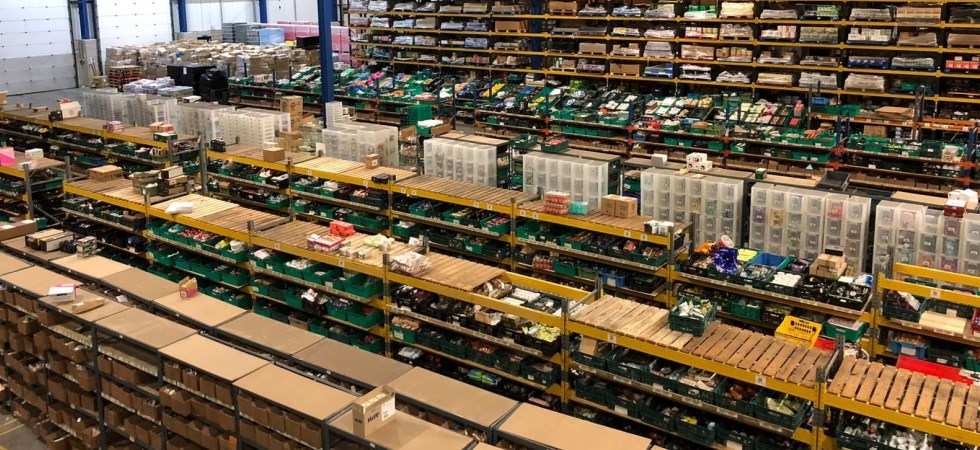
AF new premises interior Feb 2020

Interested in reaching the food industry?

Explore our media pack for all of our advertising opportunities and partnership options.

Climate Action 100+, the world’s largest investor engagement initiative on climate change, has published a sector strategy report that lays out “the necessary actions” for the food sector to make progress towards “achieving a net zero future.”

The sector strategy report was developed by Ceres and PRI, two of the founding investor networks of the Climate Action 100+ initiative. According to Ceres and PRI, the report’s recommendations are in line with the goals of the Paris Agreement.

Food and beverage sector emissions, the paper stated, account for about a third of global greenhouse gas emissions, with most of the emissions coming from the supply chains of food and beverage companies.

The report advised companies working in the food and beverage sector, and investors working with those companies, to be aware of and act on addressing emissions through the food supply chain. This includes committing to targets around reducing the impact of emissions related to agriculture and livestock, securing green transportation and distribution of products and sourcing sustainable packaging solutions, among others.

Some findings of the report include:

  • In order to align with the IEA’s Net Zero by 2050 scenario, scope 3 land-based emissions must be reduced by 85% compared to a business-as-usual scenario
  • Scope 1 and 2 emissions, which make up about 17% of food and beverage sector emissions, must also be reduced as much as possible
  • Eliminating deforestation, restoring previously cleared land, and employing agricultural practices that mitigate and sequester carbon alone all have the potential to mitigate more emissions than implementing renewable energy technologies across all sectors.

The report also outlined “priority actions” for individual companies, the broader industry, and investors. These engagement recommendations span the food and beverage supply chain – from improved sourcing practices to eco-friendly packaging.

Some of the priority actions include:

  • Integrating supply chain climate action into corporate decision-making processes and procurement policies
  • Incentivizing and supporting agricultural producers to reduce the climate impact of crop and livestock production and enhance agricultural carbon sequestration
  • Improving processing, manufacturing, and packaging practices to reduce emissions and food loss.

Ceres stated that investors have “an important role to play” in accelerating the net zero transition within the food and beverage industry by engaging companies both within and outside the sector on key actions to support the net zero transition.

Latest News

IT'S BACK!

Product nominations are now open for UK Sausage Week. You may have an award-winning product. Click here to nominate your sausages today for free!

Everything you need to know about the Food Management Industry Awards can be found through our dedicated website.

Some of the leading companies that have participated in the Food Management Today Industry Awards...

Healthy diets need practical, accessible solutions. Frozen food is ready to deliver.

Rupert Ashby, chief executive of the British Frozen Food Federation (BFFF), explains why frozen food will play a key role in helping people across the UK eat a healthier diet.

Supporting seafood careers through skills and training 

Seafish onshore training advisor, Richard Wardell, outlines some of the training opportunities available through the organisation for workers in the onshore sectors of the seafood industry.

How geopolitical volatility is impacting the food and drink industry

As geopolitical tensions continue to impact costs, businesses must take a proactive approach, says Eliot Bassett, managing director at currency risk management service Lumon Corporate.

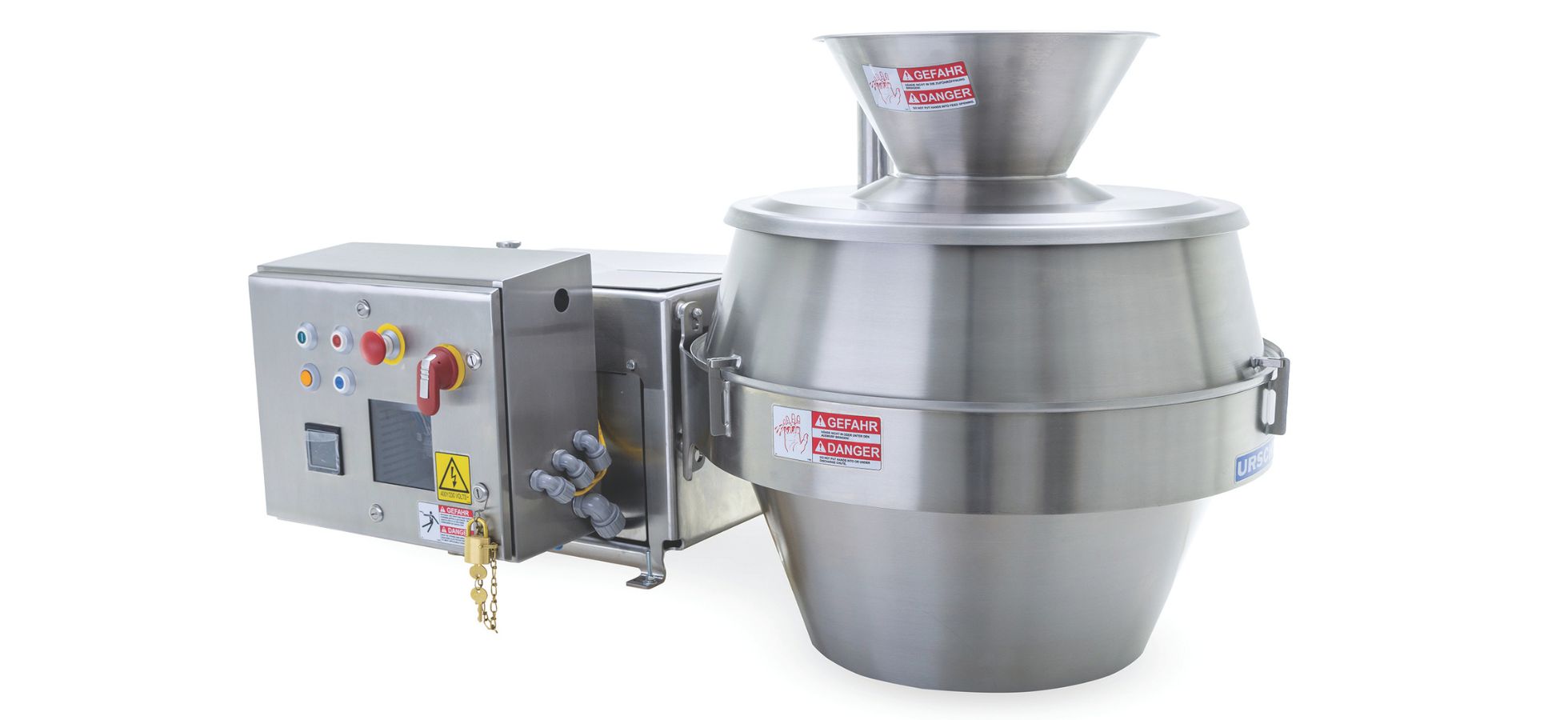
Cheese shredding solutions by Urschel

Leading cheese processors rely on optimised dicing and shredding solutions supplied by Urschel.

The Multivac Total Offer: end-to-end lifecycle support

Streamline your operations with a joined-up approach to equipment, materials and service solutions from Multivac.

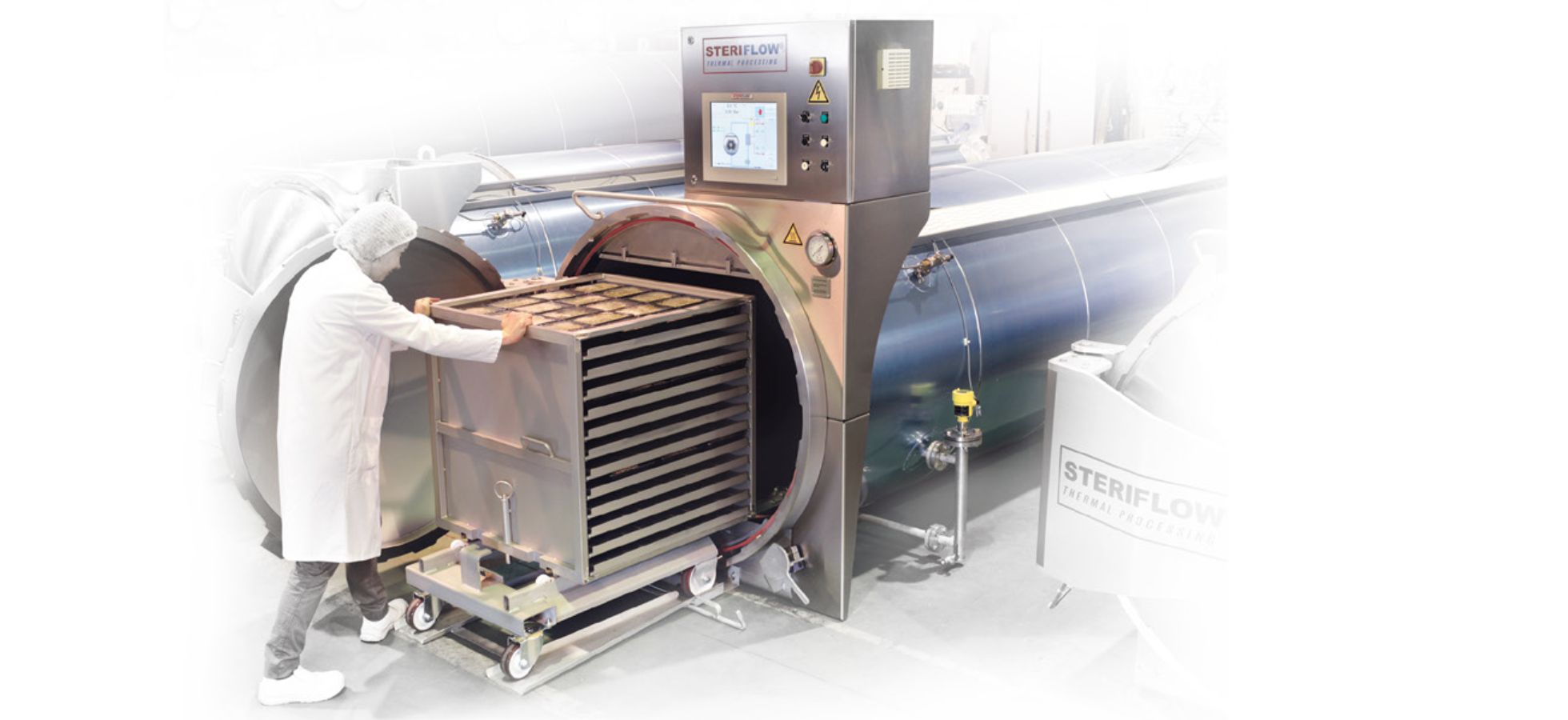
Revolutionise your sterilisation: how the Static Steriflow solves real production challenges

Interfood Technology talks to Food Management Today about the Static Steriflow, engineered for versatility and reliability in food production environments.

Sign-up for our newsletter and alerts

"*" indicates required fields

Name*

Which emails would you like to receive from us?

Please select an option*
* By subscribing or opting in to any communication you also give permission for us to send you occasional general information updates about this media portfolio. You can opt out or change your preferences at any time.