
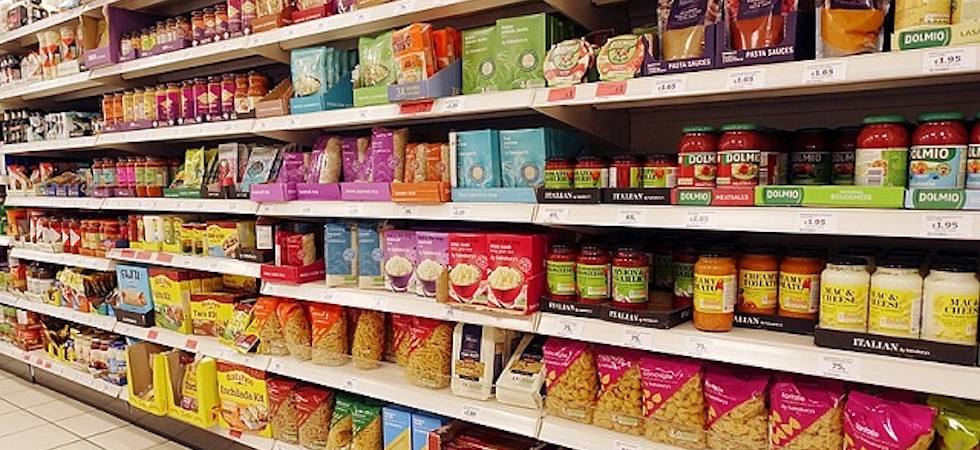
Supermarkets have recorded the biggest month of grocery sales ever in March as a result of the ongoing Covid-19 pandemic, according to the latest market share figures from Kantar.
The figures show year-on-year supermarket sales grew by the fastest rate in over a decade during the past 12 weeks – increasing by 7.6%.
The rate of growth in the most recent four weeks was nearly three times higher at 20.6%, making March the biggest month of grocery sales ever recorded.
Fraser McKevitt, head of retail and consumer insight at Kantar, said:“It has been an extraordinary month and social distancing measures have had a profound impact on all our daily lives – from the way we work and socialise, to how we shop and care for our loved ones. Retailers and their staff have been on the frontline as households prepare for an extended stay at home, with grocery sales amounting to £10.8 billion during the past four weeks alone – that’s even higher than levels seen at Christmas, the busiest time of year under normal circumstances.”
While week-on-week sales were growing strongly at the beginning of the month, it was on Monday 16th March that the public headed to the shops in unusually high numbers. Between Monday 16th and Thursday 19th March, 88% of households visited a grocer, making five trips on average – adding up to 42 million extra shopping trips across four days.
Growth has been primarily driven by people making additional shopping trips and buying slightly more, rather than a widespread increase in very large trolleys. The average household spent an extra £62.92 during the past four weeks, equivalent to adding five days worth of groceries. Shoppers in London, where the outbreak is reported to be a few weeks ahead of other regions, increased their spending the most, up by 26% during the month.
“While much-reported panic buying has been concentrated to a relatively low number of individuals so far, we anticipate that this too will subside as consumers gain confidence in the retailers’ abilities to maintain grocery supplies and keep stock on the shelves.”
McKevitt continued: “It’s inevitable that shoppers will add extra items to their baskets when faced with restrictions on their movement and possible isolation if one of them becomes unwell, but many families are also adjusting to having more mouths to feed. Those with children over the age of 16 spent £508 this month on average, £88.13 more than they did in March 2019 – a trend that likely reflects students returning home from college and university.
“With restaurants and cafés now closed, none of us can eat meals on the go any longer and an extra 503 million meals, mainly lunches and snacks, will be prepared and eaten at home every week for the foreseeable future. Purchasing of food and drink items for store cupboards rose by 28% during the past four weeks and by the same again for frozen goods.”
Convenience stores appeared to benefit from people shopping more often and following guidance to stay closer to home. Collectively, smaller branches of the major retailers and independently-owned outlets increased their share of spend to 13.3%, growing sales by 30% compared with the same four weeks a year ago.
Grocery spend online was 13% higher than the same period in 2019 and McKevitt added: “The average online basket size surged to £81.88 this month, over £6 more than in March 2019. Government advice may have been to get groceries delivered if possible, but limited delivery slots meant that only 14.6% of households received an online delivery in the past four weeks, up from 13.8% in March 2019 but probably well below actual demand.
“Most of us still relied on the full-size, bricks-and-mortar stores operated by Tesco, Sainsbury’s, Asda, Morrisons, Waitrose, Aldi and Lidl. They took 76% of spend through their tills in the past four weeks, with sales 19% higher than March 2019.”
He continued: “We expect restrictions on movement and relatively full grocery cupboards will mean the incredibly high levels of shopping trips made in March will drop off over the coming weeks. Regular trips to smaller local stores are likely to continue, as people avoid travelling and queues at stores with one-in-one-out policies in place. Sales of long life and non-perishable items will slow as households work their way through stocks and consumers will focus on replenishing their supply of fresh foods.
“While much-reported panic buying has been concentrated to a relatively low number of individuals so far, we anticipate that this too will subside as consumers gain confidence in the retailers’ abilities to maintain grocery supplies and keep stock on the shelves.”