
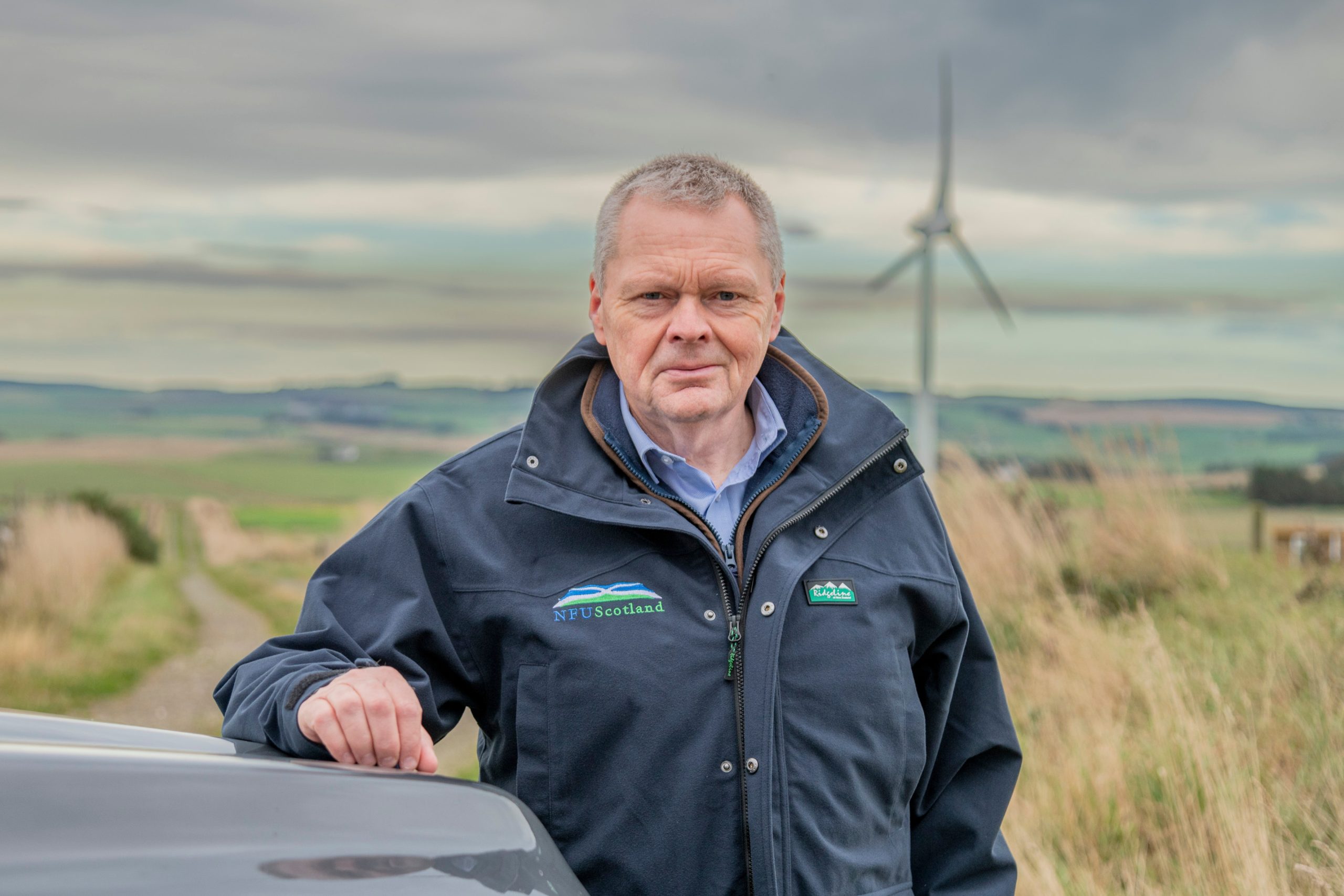
NFU Scotland representatives met MPs in London on Wednesday 9th September as part of NFU’s Back British Farming Day to press the case for measures that protect family farms, tackle rising business costs and encourage investment in the future of Scottish agriculture.
The Union went on to raise concerns around imports and the need to ensure that domestic producers are not undermined by products entering the UK that have been produced to standards that would not be permitted here.
NFU Scotland is preparing to write to the UK Government setting out its concerns on imports and calling for action to ensure UK farmers are able to compete on a fair basis.
On the Autumn Budget, the Union has submitted its priorities to HM Treasury, setting out seven key asks:
- Fully reverse the October 2024 Budget changes to inheritance tax (IHT)
- Address the increased cost of employment arising from higher employer National Insurance Contributions (NICs)
- Increase and extend the Annual Investment Allowance (AIA)
- Pause and review the Carbon Border Adjustment Mechanism (CBAM) so it does not become an additional tax on UK food production, particularly through higher fertiliser costs
- Strengthen capital allowances to incentivise investment in productive, environmental and climate-resilient agricultural assets
- Reverse the tax treatment for double-cab pick-ups used as genuine agricultural working vehicles
- Maintain reduced fuel duty rates for red diesel
NFU Scotland president Andrew Connon said: “Back British Farming Day is an important opportunity to take the issues that matter to Scotland’s farmers and crofters directly to Westminster.
“Our message is clear. Backing British farming has to mean more than warm words. Government decisions on tax, investment and trade must support, rather than undermine, our ability to produce high-quality food here at home.
“Inheritance tax remains a major concern, alongside rising employment and input costs and the need to encourage investment. At the same time, farmers need confidence that they will not be asked to meet standards and costs at home only to be undercut by imports produced to different standards.
“We need Government to recognise the strategic importance of domestic food production and create the conditions in which our farming businesses can invest, compete and grow.”