

Like-for-like grocery price inflation stood at 2.3%, rising at a faster rate than last month but still remaining “relatively subdued”.
With the return to school and work, shopping habits have begun to shift, Numerator found, with 18 million fewer trips to the grocers recorded in the month compared to a peak of 497 million in July.
Fraser McKevitt, head of retail and consumer insight at Worldpanel by Numerator, commented: “The end of the summer holidays typically brings a cooling in trip frequency and a pivot towards priority purchases, and this year is no exception. While grocery inflation ticked up modestly last month, it remains significantly lower than the levels we saw earlier in the year, giving households some welcome breathing room.”
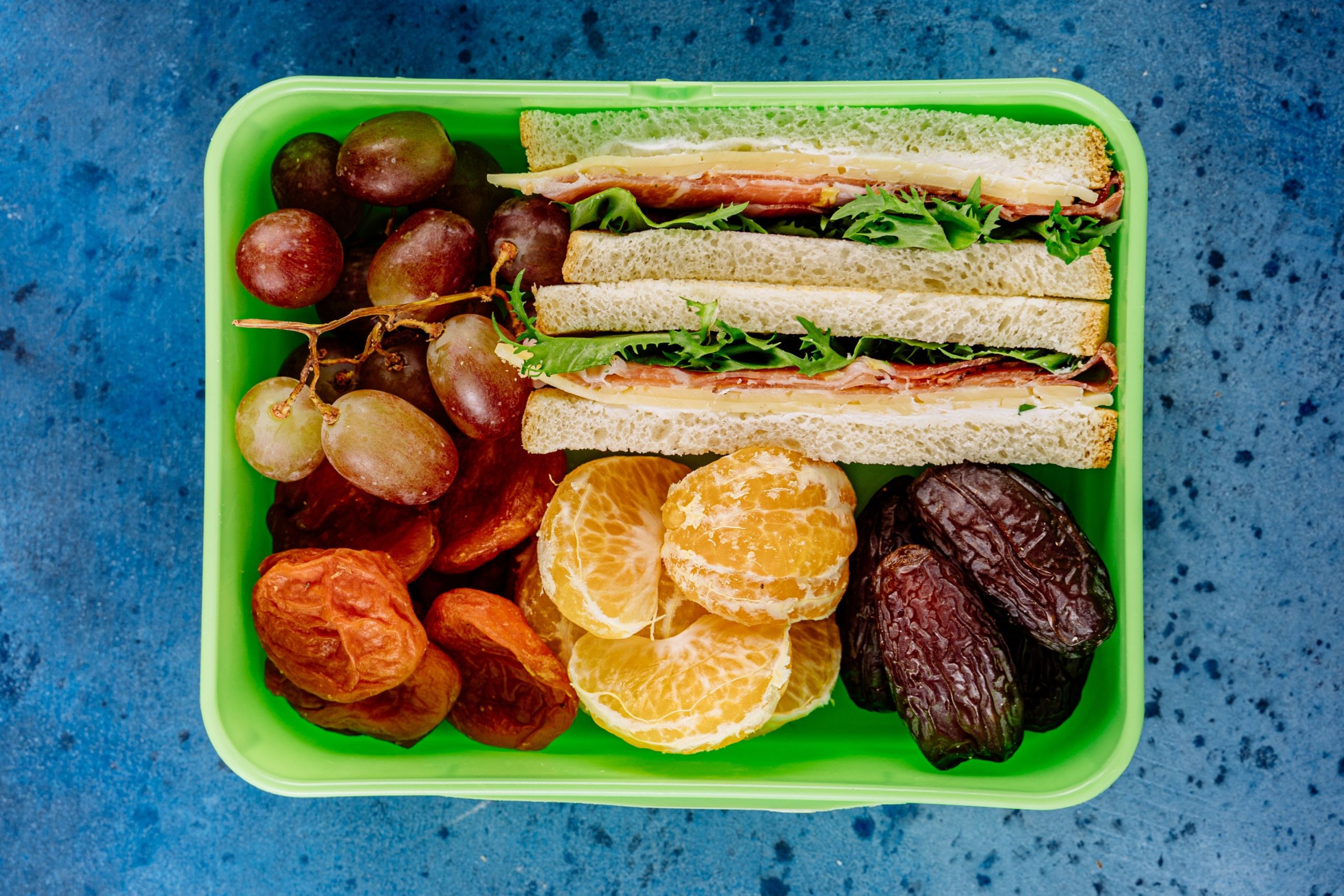
Classic lunchtime favourites were a visible presence in shopping baskets, as parents turned their attention back to filling up their children’s lunchboxes.
Sandwiches featured in 57.5% of all kids’ lunchboxes (Worldpanel Usage Foods), and the number of households with children buying loaves of bread rose by more than half a million in the seven days to 6th September compared to the previous week. The number buying satsumas (+29%) and cucumbers (+21%) also surged in the final week before term time.
Numerator found that branded goods outpaced own label this month for only the second time in the past year, with sales up 3.7% compared to 2.9% growth for own label – a reversal of a pattern that has defined much of 2026. Despite this shift, shoppers have kept a strong appetite for promotions. Spending on grocery deals rose by £243 million, or 7% year-on-year, significantly outstripping full-price sales growth of just 1.4%.
Retailers vie for market share
Sales at Asda rose by 0.1% over the 12 weeks to 6th September, as the grocer returned to growth for the first time since March 2024. The retailer now holds a market share of 11.5%, with a higher share of 16% in the North of England, and it is outperforming the market in categories such as hot drinks, ice cream and chilled poultry.
Ocado, with sales up by 13.3%, was the fastest growing grocer for the 30th consecutive time, used by 4.4% of households during the latest 12 weeks. Share for the online-only grocer increased by 0.2%, to 2.2% of the market.
The other grocer to win share, Lidl, moved up to 8.7% of the market, from 8.3% a year ago. Sales rose by 8%, helped especially by strong performance across confectionery, soft drinks and fresh produce.
Sales at Sainsbury’s were 2.9% higher than last year. The grocer saw growth just ahead of Morrisons, which was up by 2.8%, meaning each retailer maintained a market share of 15.2% and 8.4%, respectively.
Tesco saw sales rise by 1.7%, with the supermarket now holding 27.8% of the market. Aldi accounted for 10.6% of the market, and spending through the tills at the discounter was 0.7% higher than a year ago.
Take-home sales at convenience retailer Co-op were up by 2.9%, with market share flat at 5.5%. Waitrose sales grew by 2.8%, with share stable on 4.5%. Matching the growth rate of the overall market, Iceland grew by 2.6%, with share of 2.3%. Grocery-only sales at M&S were 14.8% higher than a year ago.