
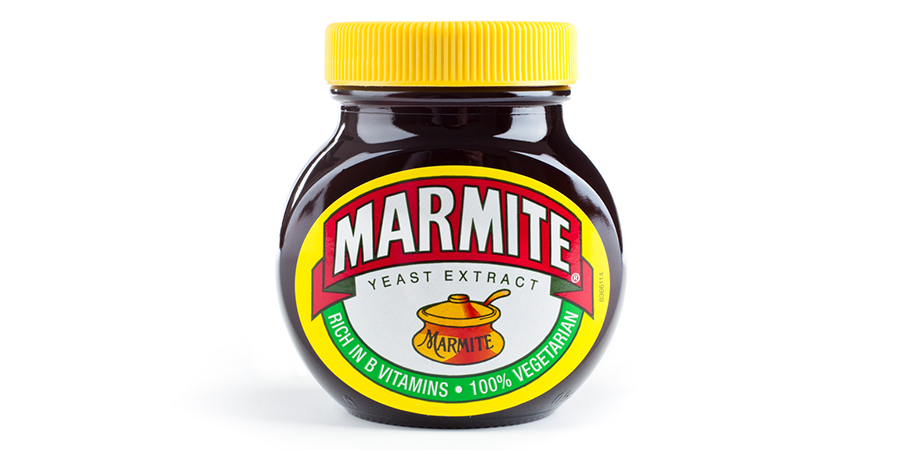
Unilever, owner of brands including Marmite, Ben & Jerry’s and Lipton has announced ambitious new commitments to reduce its plastic waste and help create a circular economy for plastics.
- Halve its use of virgin plastic, by reducing its absolute use of plastic packaging by more than 100,000 tonnes and accelerating its use of recycled plastic.
- Help collect and process more plastic packaging than it sells
This commitment makes Unilever the first major global consumer goods company to commit to an absolute plastics reduction across its portfolio.
Unilever says it is already on track to achieve its existing commitments to ensure all of its plastic packaging is reusable, recyclable or compostable by 2025, and to use at least 25% recycled plastic in its packaging, also by 2025.
Alan Jope, Unilever CEO, said: “Plastic has its place, but that place is not in the environment. We can only eliminate plastic waste by acting fast and taking radical action at all points in the plastic cycle.
“Our starting point has to be design, reducing the amount of plastic we use, and then making sure that what we do use increasingly comes from recycled sources. We are also committed to ensuring all our plastic packaging is reusable, recyclable or compostable.
“This demands a fundamental rethink in our approach to our packaging and products. It requires us to introduce new and innovative packaging materials and scale up new business models, like re-use and re-fill formats, at an unprecedented speed and intensity.”
Unilever’s commitment will require the business to help collect and process around 600,000 tonnes of plastic annually by 2025. This will be delivered through investment and partnerships which improve waste management infrastructure in many of the countries in which Unilever operates.
Jope added: “Our vision is a world in which everyone works together to ensure that plastic stays in the economy and out of the environment. Our plastic is our responsibility and so we are committed to collecting back more than we sell, as part of our drive towards a circular economy. This is a daunting but exciting task which will help drive global demand for recycled plastic.”
Ellen MacArthur, Founder, Ellen MacArthur Foundation, said: “Today’s announcement by Unilever is a significant step in creating a circular economy for plastic. By eliminating unnecessary packaging through innovations such as refill, reuse, and concentrates, while increasing their use of recycled plastic, Unilever is demonstrating how businesses can move away from virgin plastics. We urge others to follow their lead, so collectively we can eliminate the plastic we don’t need, innovate, so what we do need is circulated, and ultimately build an economic system where plastic packaging never becomes waste.”
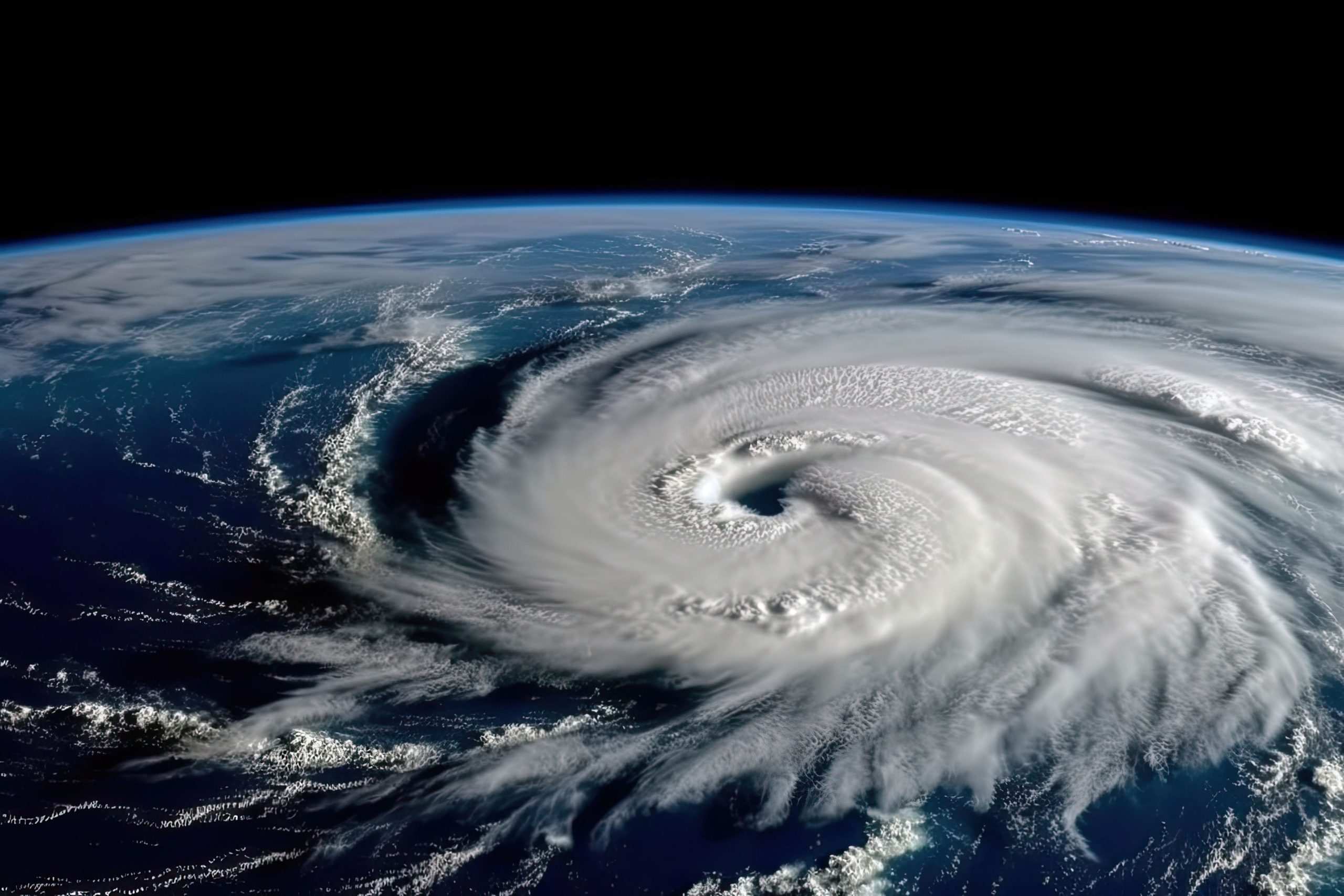
As part of its announcement, Unilever has posted a video on its website addressing the issue of ocean plastic and committing to play its part to ‘make the blue planet, blue again’.
More than 100,000 tonnes will come from an absolute reduction as the business invests in multiple use packs (reusable and/or refillable), ‘no plastic’ solutions (alternative packaging materials or naked products) and reduces the amount of plastic in existing packs (concentration). Replacing non-recycled plastic packaging with recycled plastics will account for the remaining reduction. Unilever will measure the total tonnes of virgin plastic packaging used each year vs the total tonnes of virgin plastic packaging used in 2018. As a result of this commitment, Unilever is committing to have a virgin plastic packaging footprint of no more than 350,000 tonnes by 2025.
Help collect and process more plastic packaging than it sells by 2025.
Unilever’s commitment will require the business to help collect and process around 600,000 tonnes of plastic annually by 2025. This is less than the current 700,000 tonnes plastic packaging footprint because it reflects the 100,000 tonnes absolute reduction it has committed to above.
Unilever says it will deliver this commitment by:
i) Investment and partnerships in waste collection and processing
ii) Purchasing and using recycled plastics in its packaging
iii) Participating in extended producer responsibility schemes where Unilever directly pays for the collection of its packaging
Unilever will measure the total tonnes of plastic packaging it has helped collect and process in a year vs how much plastic packaging it has used.