
A Data Sharing Infrastructure (DSI) and governance model for the UK’s agri-food supply chain has been commissioned by the Department for Environment, Food & Rural Affairs (Defra).
It will be designed, developed and tested in collaboration with Defra’s Food Data Transparency Partnership (FDTP), Arup, the Open Data Institute (ODI), WRAP (Waste and Resources Action Programme), and the Agriculture and Horticulture Development Board (AHDB) and HESTIA.
The Food Data Transparency Partnership (FDTP) aims to brings together Government, academia and the food and drink industry to improve sector-wide sustainability through more “consistent, accurate and accessible” environmental impact data.
According to consultancy Arup, agri-food system data and data sharing infrastructure “underpins the delivery of outcomes” in the Government Food Strategy, the Environmental Improvement Plan. By enabling better measurement and communication of environmental impacts, the project will aim to drive progress towards net zero and empower businesses, policy makers and consumers to make more sustainable choices.
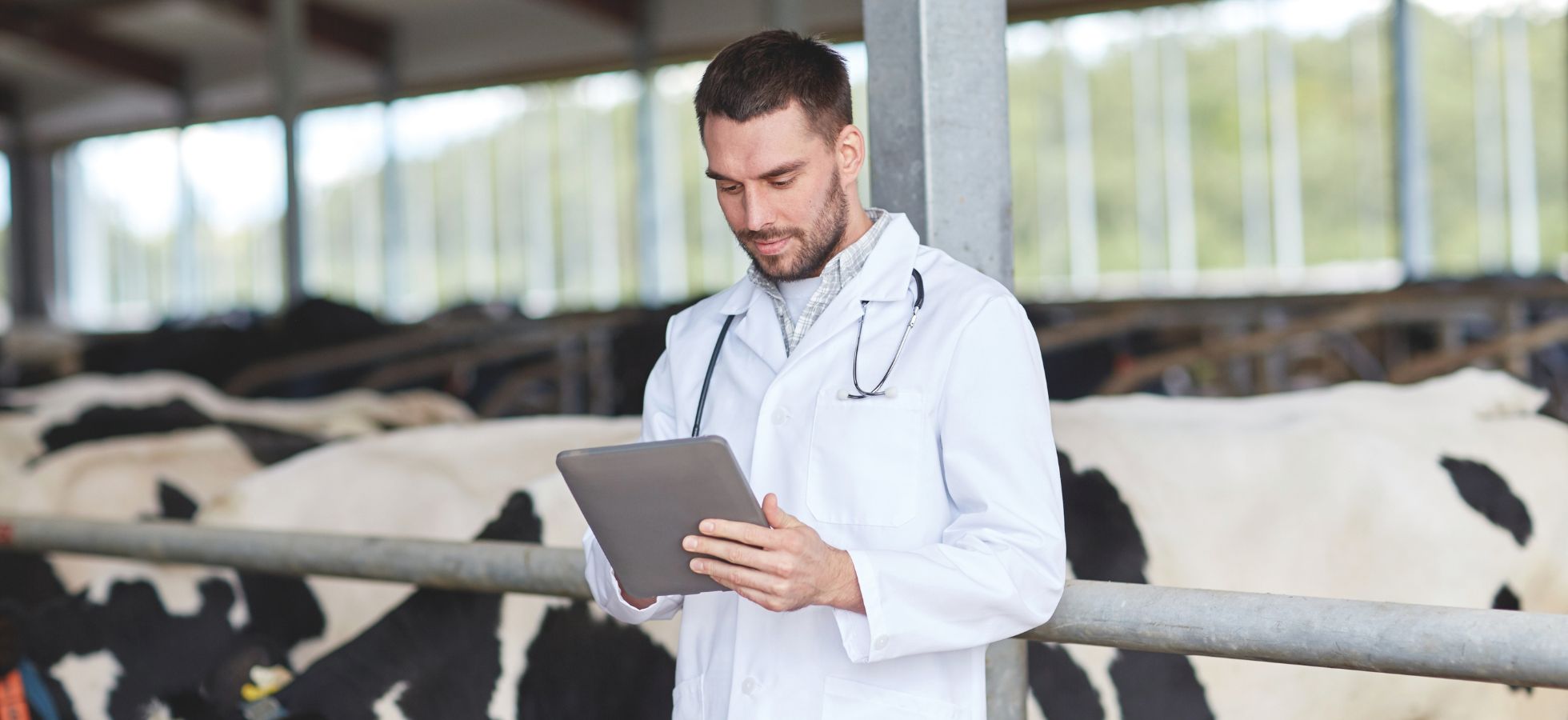
Sharing data with farmers and producers
The Arup-led consortium brings together knowledge in data sharing, sustainability and the agri-food supply chain. Working collectively, the partners will look to demonstrate how efficient and trusted data sharing infrastructure can improve the way environmental impacts are monitored, reported and verified across the sector.
The consortium’s role will span the full lifecycle of the project, from designing and testing data sharing infrastructure suitable for the UK agri-food system, to advising on an optimal governance model for this infrastructure, and piloting data sharing across a selection of food product supply chains. These pilots will reportedly demonstrate real-world benefits such as reduced administrative burdens on farmers and producers, stronger environmental reporting, and the “accelerated digital innovation” through tools such as smart data services and digital product passports.
The project will aim to establish the evidence base needed for Government and industry to invest in and deliver a DSI that “provides public benefit”, while supporting sustainable growth and resilience of the UK agri-food sector. It will also be part of the UK Government’s goal to create a smart data ecosystem within the agri-food sector.
“A sustainable agri-food supply chain depends on data that producers, policymakers and the public can trust.”
Adam Short, data programmes associate director at AHDB, commented: “This is a very welcome opportunity to help shape the development of future DSI and associated governance models, whilst ensuring the views and needs of farmers, levy payers and the wider agriculture industry are included. We’re excited to leverage our experience with the Farm Data Exchange Proof of Concept project, and our ability to engage stakeholders across the industry.”
Harriet Trewin, programme lead (GHG) WRAP said: “We know from working with the food sector that clear, quality and consistent environmental data is critical to enabling evidence-led business decisions to reduce environmental impacts. Lack of trust in data quality is currently a huge blocker.
“Therefore, we’re delighted to be part of this important work combining agri-food knowledge with data governance and infrastructure expertise. The outcome of FIG will be pivotal in informing future policy development for a fair and trusted data system to support scalable communication of environmental impacts through the food system.”
ODI CEO Louise Burke added: “A sustainable agri-food supply chain depends on data that producers, policymakers and the public can trust. Reliable data on environmental impact requires common data standards and trusted infrastructure, and we’re seeing growing demand across sectors for this approach, ensuring decisions are robust and systems are built safely.”