
The latest inflation data has been released by the Office for National Statistics (ONS), finding that the food category made the largest, partially offsetting, downward contribution to inflation.
The consumer prices index (CPI) rose by 2.8% in the 12 months to May 2026, unchanged from the year to April. On a monthly basis, CPI rose by 0.2% in May 2026, the same rate as in May 2025.
Food and non-alcoholic beverages prices rose by 2.2% in the 12 months to May 2026, down from 3% in the 12 months to April. The rate in May was said to be the lowest since December 2024, when it was 2%.
ONS reported that on a monthly basis, food and non-alcoholic beverage prices fell by 0.1% in May 2026, but rose by 0.7% a year ago.
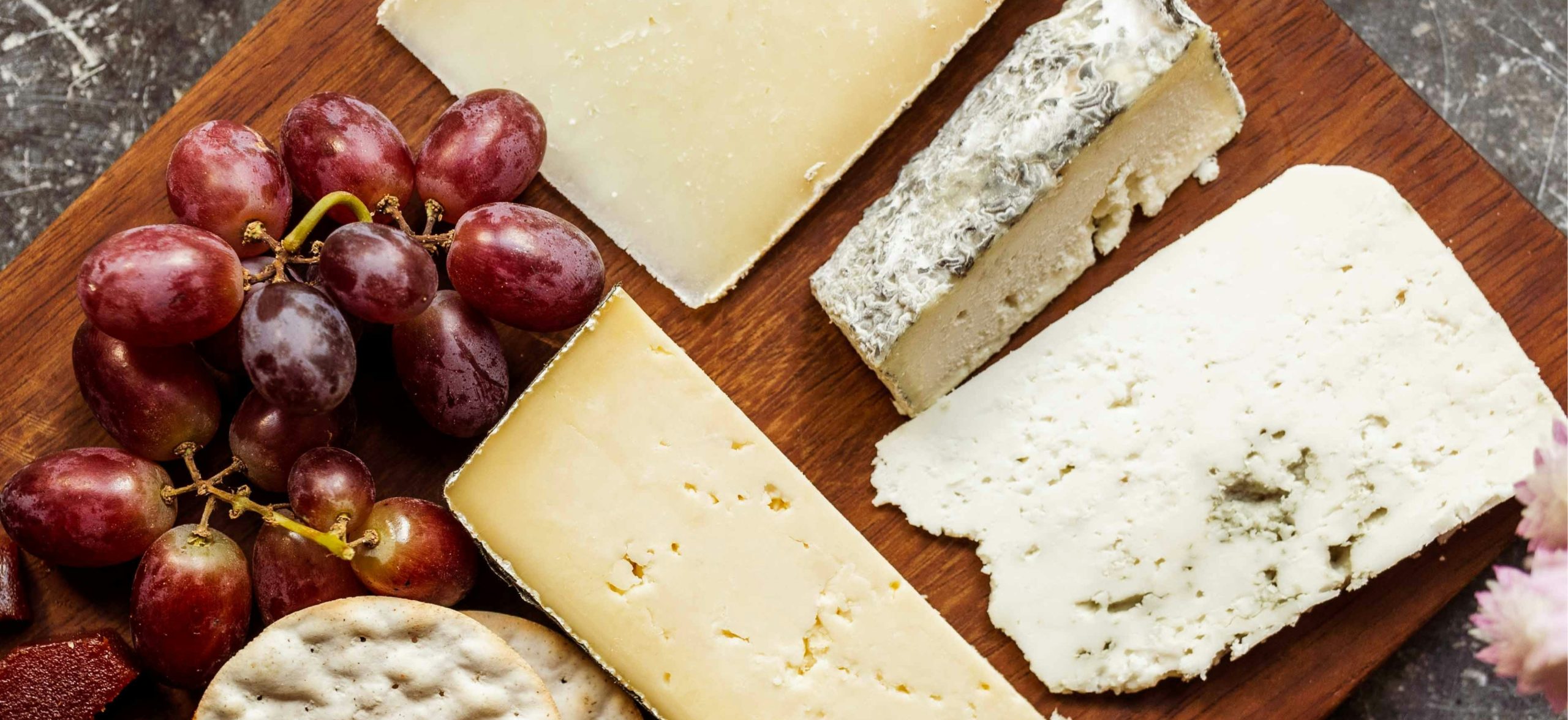
There were small downward effects behind the change in the annual rate from the meat (particularly beef and cooked ham), dairy (particularly cheese), vegetables and fish categories.
Uncertainty the “new norm” for food producers
Karen Betts, chief executive of The Food and Drink Federation, commented: “It’s good to see an easing of food inflation in May, but consumer prices still don’t reflect the inflation caused by the closure of the Strait of Hormuz.
“It generally takes several months for the increased costs paid by farmers, processors and manufacturers to filter into raised prices at the tills, not least because of the widespread use of long-term contracts for energy and ingredients. But manufacturer input costs are rising, including for transport, packaging and energy, and we expect food inflation to pick up this year and into next.
“Uncertainty is the new norm for food producers, which is driving up the overall cost of food production. This makes it all the more important that Government acts where it can – to prioritise food manufacturers for energy support and by prioritising and rationalising regulation, freeing businesses to invest in vital long-term resilience.”
Harvir Dhillon, economist at the British Retail Consortium, said: “Headline inflation remained unchanged, as supermarkets cut prices for both food and drink. Food inflation eased to 2.2% – its lowest since the 2024 Autumn Budget – thanks to fierce competition between grocers. However, it will likely pick up over the coming months as input costs rise, following the conflict in Iran.
“Retailers are already shouldering a heavy burden of costs, from higher National Insurance contributions and the triple packaging tax to supply chain disruption triggered by the Iran conflict. To ensure prices can remain competitive for consumers in the long-term, the Government must take pragmatic steps to reduce the cost of doing business. This should start with a reduction in non-commodity charges, which are driving high energy bills, allowing retailers the breathing space to deliver savings for their customers.”