
The frozen food body said that the research, carried out as part of its Frozen Food Revolution campaign, comes as NHS advice continues to promote the ‘five-a-day’ message, while the cost of putting healthy food on the table remains a concern for many households.
The BFFF compared current supermarket prices for an 80g portion of commonly bought fresh fruits and vegetables with the same weight from frozen packs.
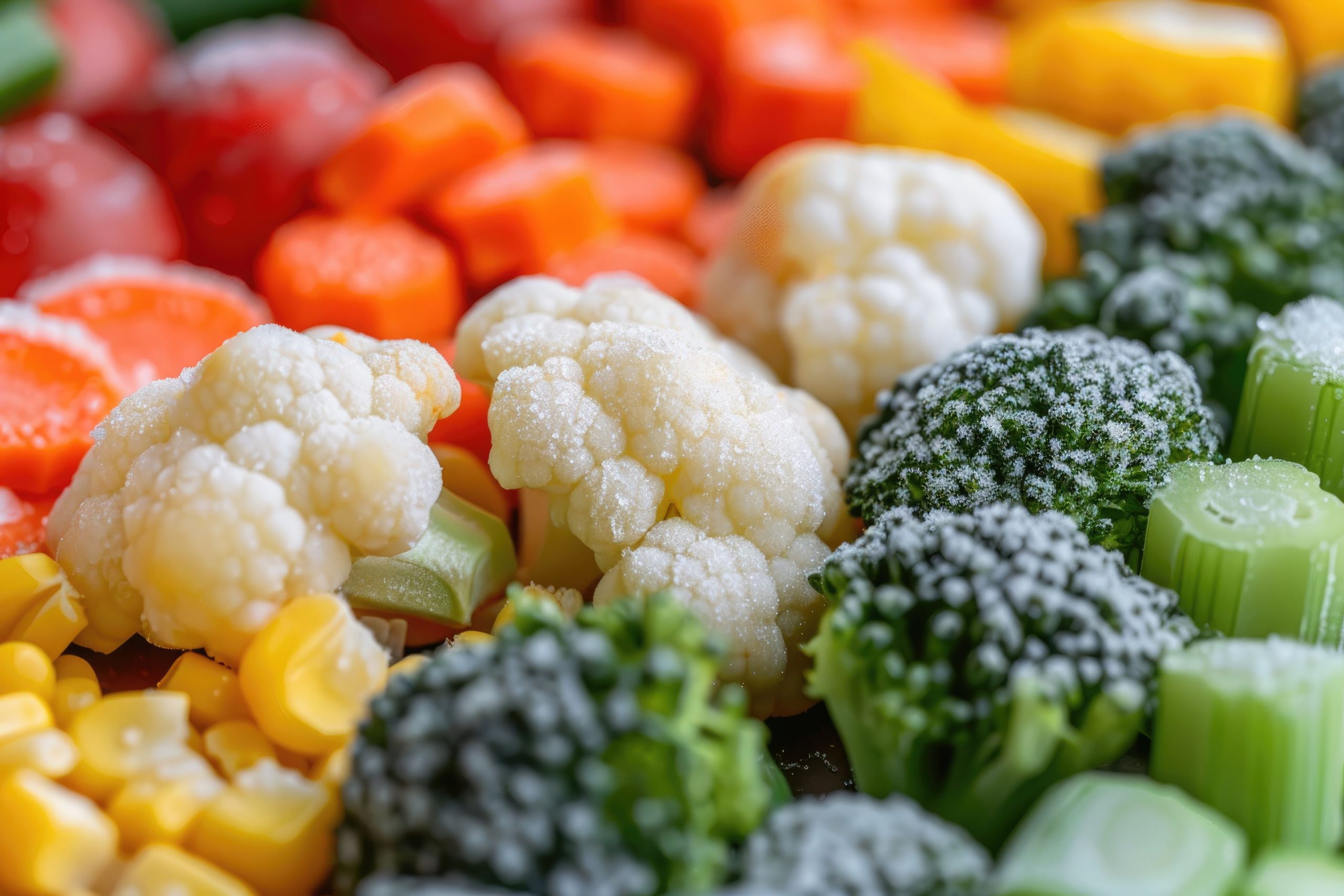
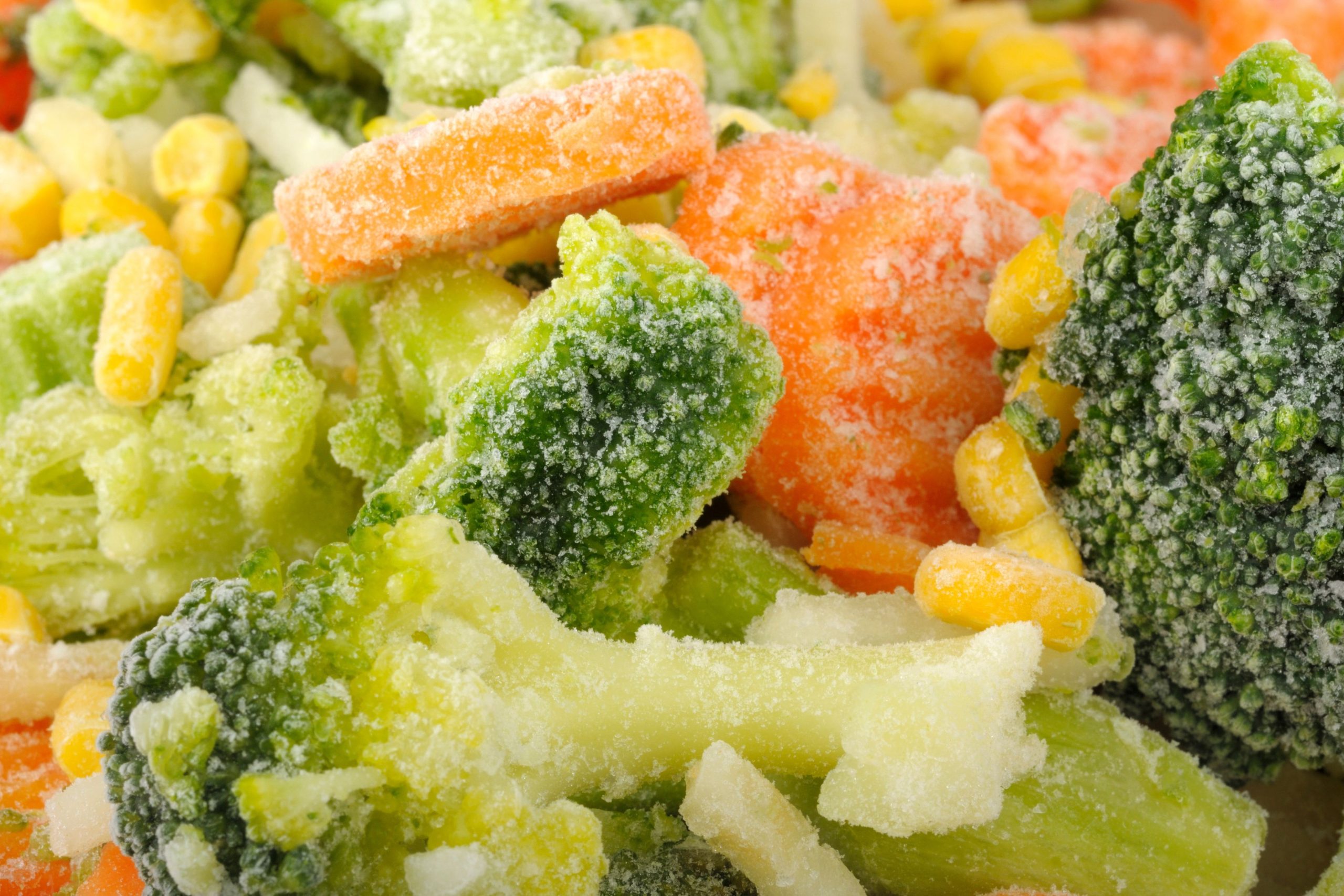
BFFF found that across five staples – broccoli, spinach, mixed vegetables, strawberries and blueberries – the average price of an 80g portion of fresh produce was 51p, while for frozen produce it was 33p.
The price difference equates to a saving of around 90p per person, per day for someone eating five 80g portions. For a family of four, this would mean a weekly saving of around £25.20, or £1,314 over a year.
The latest figures from BFFF show that frozen fruit and vegetables included in the research are around 36% cheaper than their fresh equivalents and stated that the chief reason for this is that less food is wasted in the frozen food supply chain.
BFFF also found that the difference in cost has increased over the past year, with potential savings from choosing frozen options rising by £200 over that time.
“With household budgets continuing to face pressure, families need practical ways to make nutritious food go further.”
Rupert Ashby, chief executive of the British Frozen Food Federation, said: “A healthy diet plays a huge part in the nation’s wellbeing, both physically and mentally. With household budgets continuing to face pressure, families need practical ways to make nutritious food go further.
“Our latest research shows that the potential saving from choosing frozen fruit and vegetables has grown significantly over the past year. An average 80g portion of frozen produce is now 18p cheaper than the fresh equivalent across the products we looked at, which can save around £1,300 a year for a family of four eating five portions a day.
“Frozen food has an important role to play in helping households make their budgets go further while eating well. It also has a wider role to play in UK food supply chain resilience, providing a reliable way of preserving food for longer, helping to reduce waste and allowing consumers to keep nutritious produce available in their homes for when they need it.
“Frozen fruit and vegetables offer convenience and a long shelf life. They are an important part of a resilient food system and a practical option for families looking to eat a nutritious diet affordably.”
Potential household savings were calculated using prices from Tesco, Sainsbury’s, Asda and Aldi. For each product, the price of the pack was converted into a cost per 80g portion, allowing different pack sizes to be compared on the same basis, said BFFF. Where loyalty card prices were available, these were used, but multibuy promotions and personalised offers were excluded.
The BFFF Frozen Food Revolution campaign runs from 13th-19th October.