

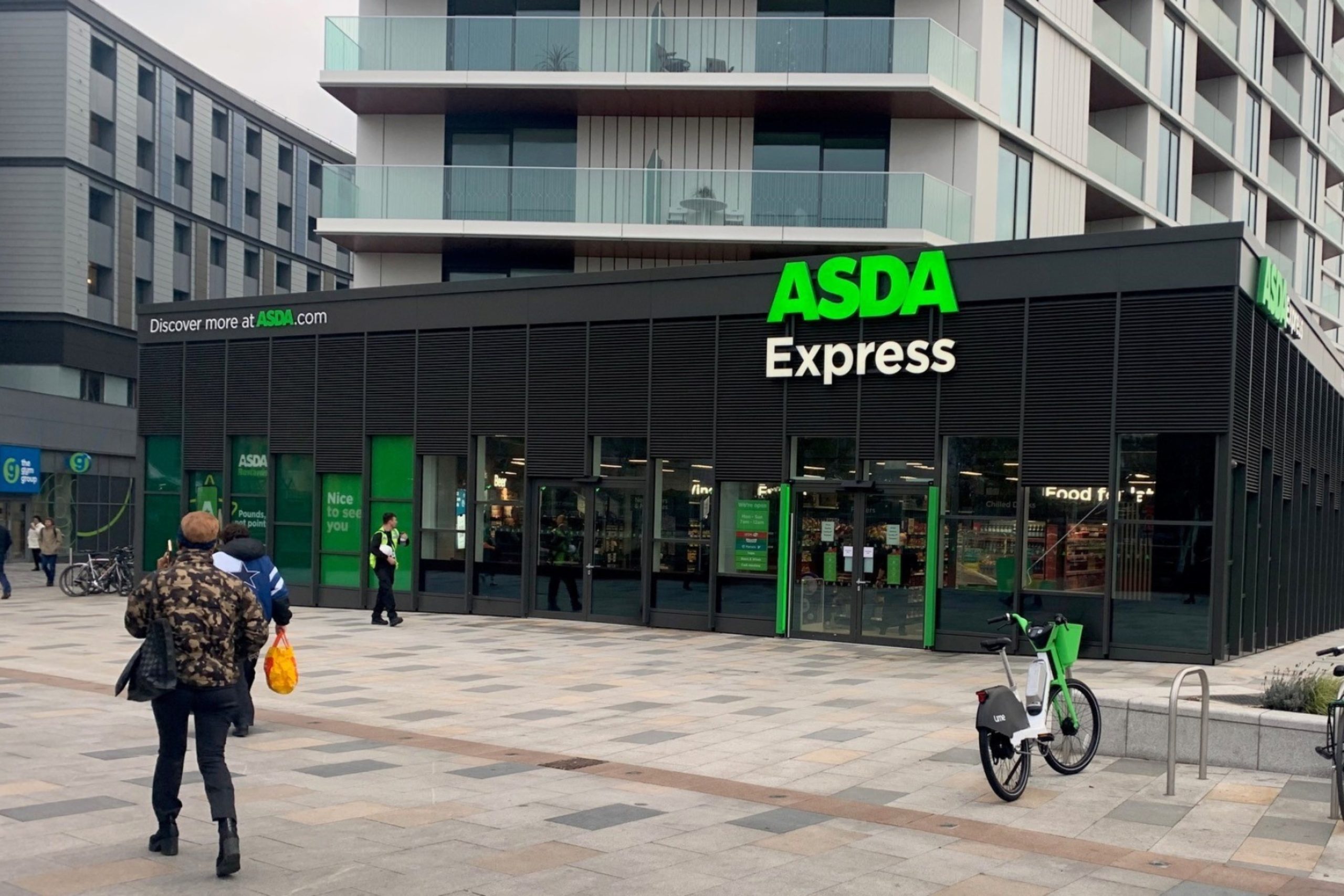
A spokesperson for the Leeds-based supermarket group stated that the pre-tax loss reflects its “deliberate price investment and significant transformation activity”, which will better position the company for the future.
One-off costs contribute to revenue drop at the supermarket
Asda reported total sales, including fuel, of £25.9 billion for the year. Like-for-like sales, excluding fuel, were down by 3.1% year on year, and adjusted earnings before interest, taxes, depreciation and amortisation (EBITDA) after rent were £761 million, a drop of 33.3%. According to the supermarket, this reflects the strategic investment to lower prices by launching Rollback and Asda Price.
In 2025, Asda made a statutory pre-tax loss of £989 million for the full year, compared with £599 million for the previous year. The figure includes £656 million in one-off costs, which the supermarket revealed was mainly comprised of £284 million related to Project Future, the IT separation from Walmart, and a £344 million non-cash impairment following an in-year revaluation of Asda’s £8bn property portfolio. Non-cash depreciation and amortisation charges were £528 million in FY25.
“Asda invested significantly to lower prices for customers in 2025.”
An Asda spokesperson commented: “Asda invested significantly to lower prices for customers in 2025 and strengthened its value proposition at a time of sustained cost-of-living pressures. As expected, this contributed to adjusted EBITDA (after rent) declining to £761m.
“The statutory pre-tax loss reflects this investment and also includes £656m of one-off costs related to the now-complete IT separation from Walmart, and a non-cash impairment, an accounting adjustment rather than a cash outflow.
“The reported loss does not reflect the underlying financial strength of the business – and continued powerful cash generation. Asda is supported by a strong balance sheet and capital structure, with £1.3 billion in cash, £2.1 billion of total liquidity at the year end, and the majority of borrowings secured well into the next decade. This gives us the flexibility to continue investing in our long-term growth strategy and deliver a disciplined and sustainable turnaround.”