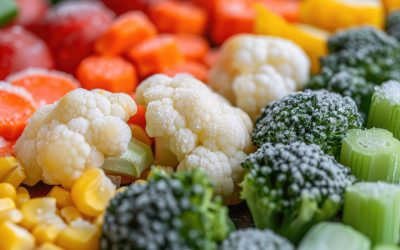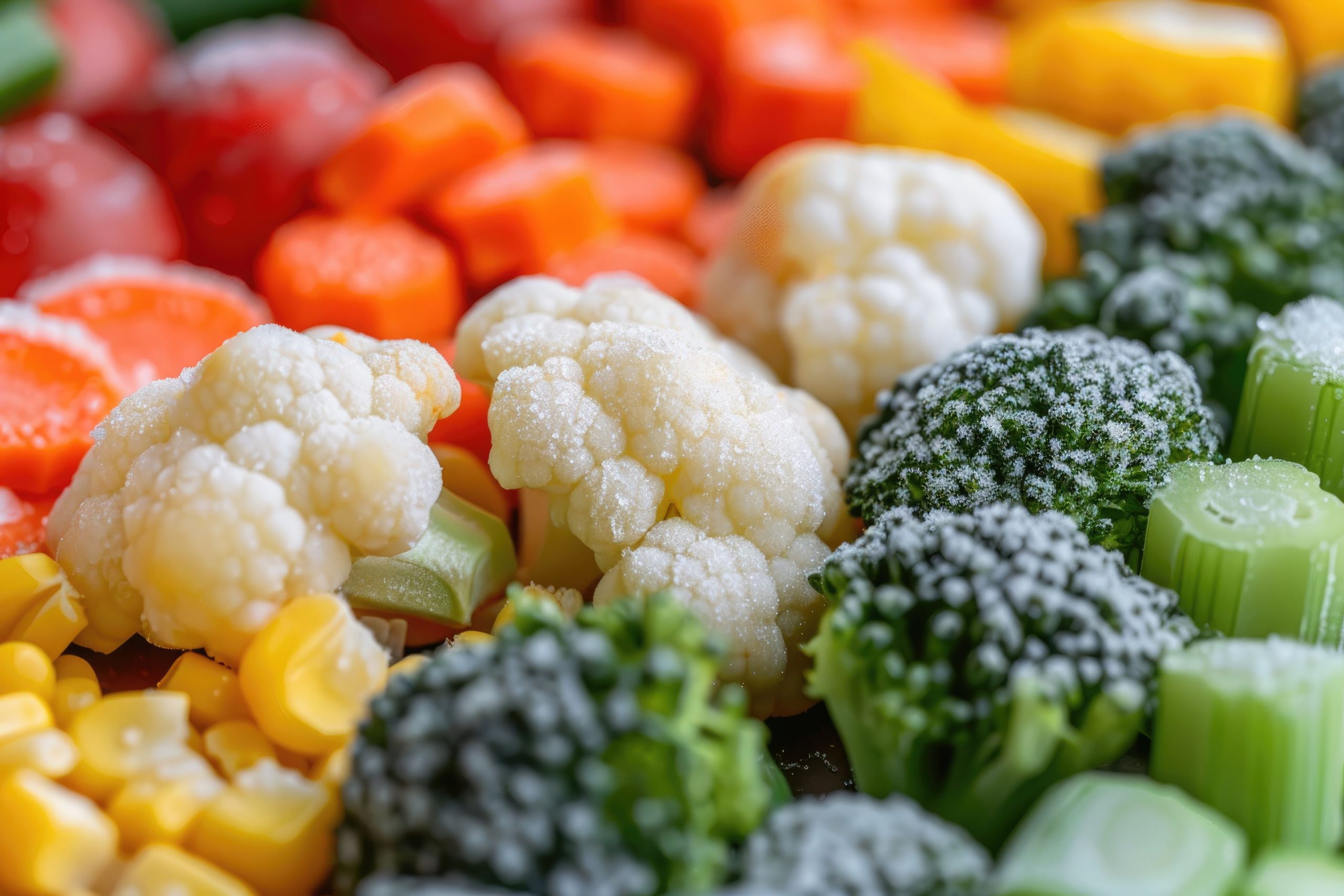

UK producers have confirmed that brassica crop yields for 2025 are “tight”, as warm weather and four heatwaves affect food production.
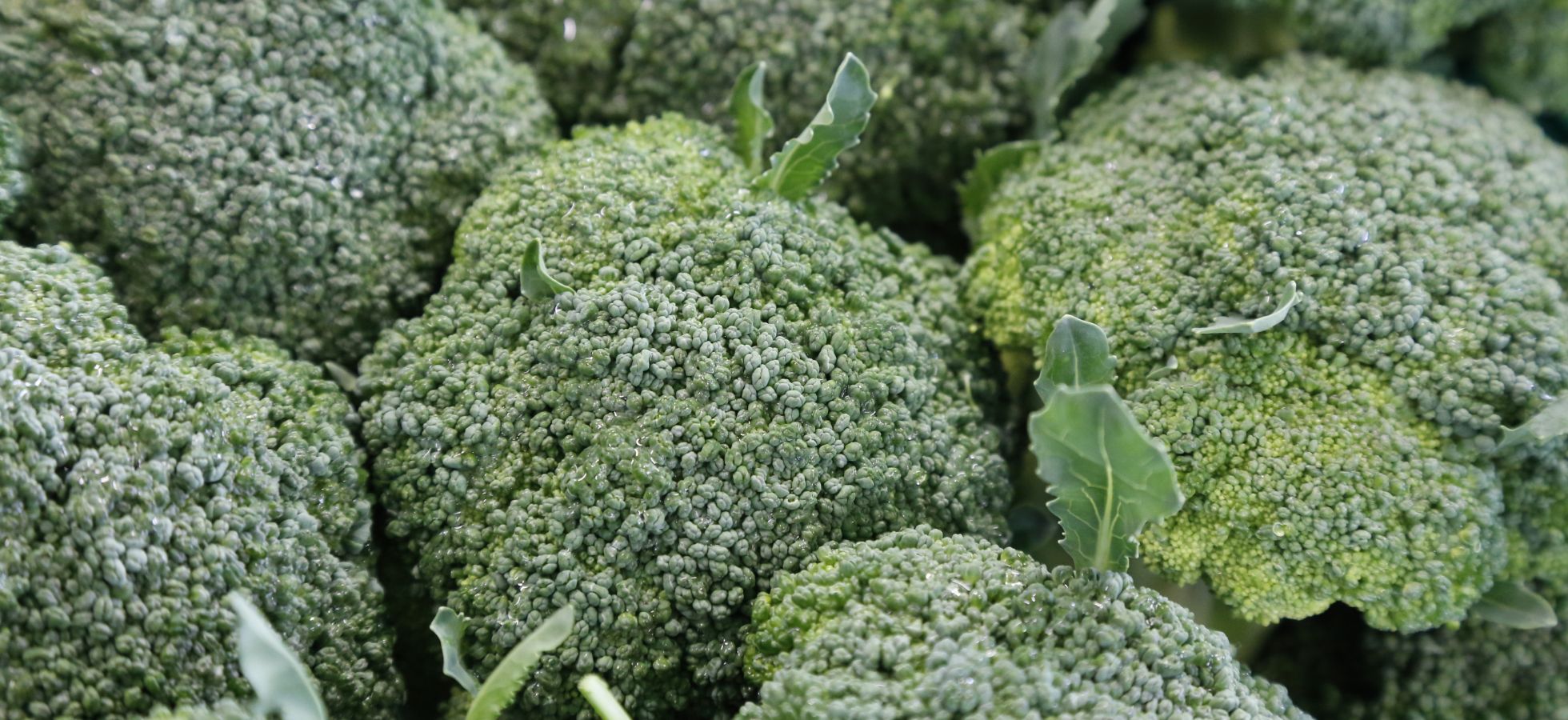
Peloton Produce reported that most crops had averaged around 65% of the expected yield, while brassica yields had declined to 50%.
Producers highlighted that following the heatwaves that had occurred over the summer months, there was a need for wetter weather in areas that had been the driest. After extended lengths of time irrigating crops, producers also expressed concerns over water supply.
This comes as five areas are now officially in drought, with six more experiencing prolonged dry weather following the driest six months to July since 1976. Drought has been declared in Yorkshire, Cumbria, Lancashire, Greater Manchester Merseyside, Cheshire, East Midlands, and the West Midlands.
Jack Ward, chief executive of the British Growers Association, told Food Management Today that pea yields were down “significantly”, while brassica yields were “tight”, as these crops were a “higher risk” to growers. However, he said that Scotland had not been as badly affected, and stressed that some locations in the UK had seen less severe weather as temperatures varied by location.
He went on to say that carrots, onions and root crops had been irrigated for “longer than expected”, with concerns rising over water for irrigation potentially running out.
Ward stated that the variety in crop yields “underlines the need for investment into the sector”, and said that despite being well-placed to produce food, the sector required funding.
This year a “write-off for brassica production”, says Peloton Produce
Nigel Clare, director at growing and packing company Peloton Produce, commented: “With the driest conditions for over 20 years and with an unprecedented four heatwaves in a season, the UK brassica industry has seen yields as low as 50% of budget.
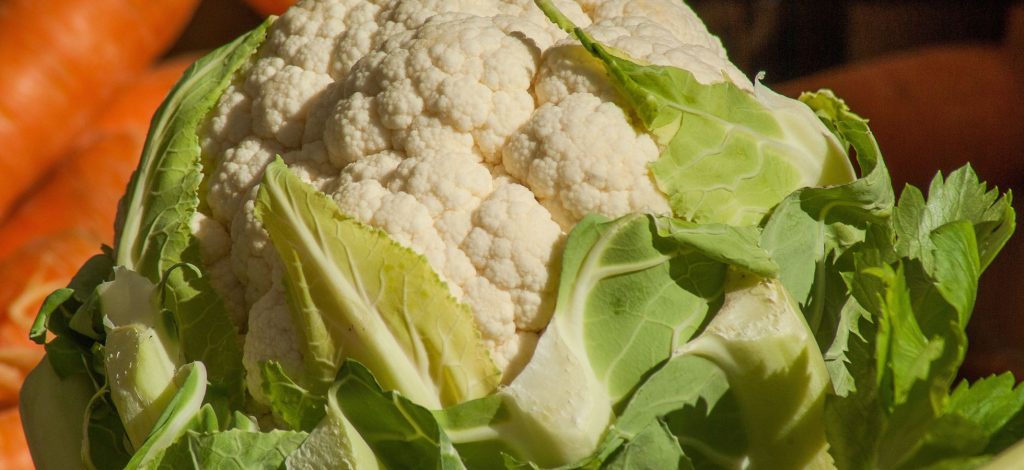
“We grow cauliflower, broccoli, savoy cabbage, sweetheart cabbage, Bellaverde broccoli, cavolo nero, kale red cabbage and white cabbage and it’s fair to say that every one of these crops has seen a dramatic reduction in yield. Some crops are as low as 50% budget and most crops are averaging at 65% of what we would expect.
“This year is a complete write-off for brassica production and most growers will be in a deficit at the end of the season when we look at our profit and loss. Coupled with poor demand since November 2024 and now poor yields, I have to say it’s the worst season I can ever remember and one that I will be very keen to forget.”
He went on to say that the “unprecedented poor demand”, which had started in November 2024, was a “strange position” for the UK brassica industry, stating that drought conditions had “compounded” the financial position of most UK brassica operations.
Clare continued: “When we look at risk versus reward, it’s not a viable outlook for the future and unfortunately we will see prices rising next year so that a balance that allows us to survive is found – without this we will see companies turning their backs on brassica production as the risks are just too great.
“Most brassica companies have a degree of irrigation but even this has not saved the season.”
He commented that with high temperatures during the day and night, irrigation would only keep the plants alive at best. Crop quality deteriorated as a result, with Clare confirming that crops “could not handle the stress of water combined with such high temperatures”.
Clare concluded: “This autumn negotiations with our customers will be the trigger point to who says ‘enough is enough’ and who continues for another year but one thing is for sure prices will have to rise by over 10% for the risk to be in balance with reward.”
A “varied picture” as some see better yields
NFU crops board chair Jamie Burrows said: “Feedback from farmers and growers paints a hugely varied picture. Some are seeing better-than-expected yields, while others are facing significant drops which will have substantial financial implications on their businesses.
“While some rain has fallen in parts of the country, and farmers are no strangers to unpredictable weather, the extremes this year have been unprecedented. The challenge is these weather extremes of drought and flood are becoming more pronounced and more regular. Last year’s harvest was marked by heavy rain and this year by its extreme dryness.
“Looking ahead, farmers growing crops need investment in climate adaptation and resilient crop varieties to safeguard our ability to feed the nation, weather market volatility and adapt to a changing climate. Across the wider farming industry we need investment in water infrastructure and changes to our planning system so we’re better able to capture rain in times of plenty for use when it’s needed.”
“Clear pattern” of extreme weather hitting food production
Tom Lancaster, land, food and farming analyst at the Energy and Climate Intelligence Unit (ECIU) said: “Whilst it is to early to say exactly how bad this harvest will be, it is likely to be one of the ten worst since records began, after a punishingly dry spring and hot summer hit farmers crops and yields.
“This comes off the back of the third worst UK harvest last year after extreme winter rain devastated crops, and before that the brutal heatwave of 2022 that baked crops into the ground. We are now into a clear pattern of extreme weather linked to climate change hitting our food production, undermining our food security.
“Although we can do much more to adapt to these extremes, the only way to stop these impacts escalating is to reduce planet warming emissions to net zero. Without this, climate change impacts will only get more extreme and less manageable.”