
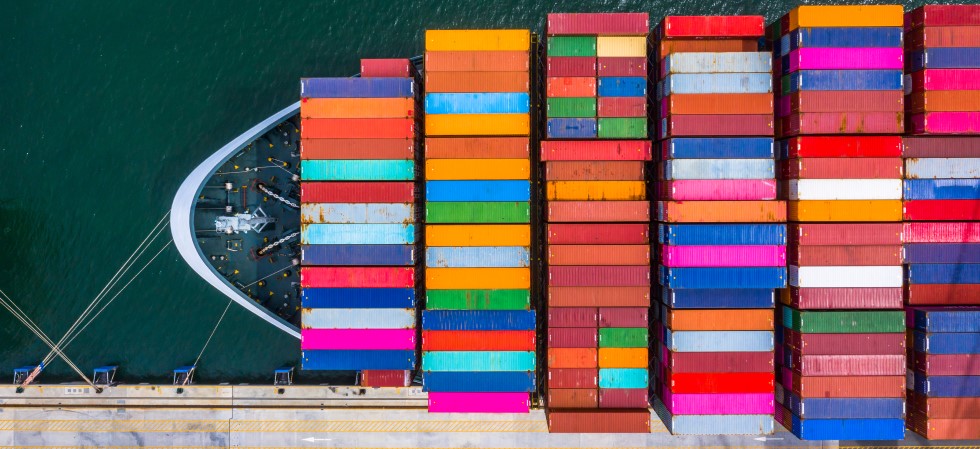
The Food and Drink Federation (FDF) has found that food and drink exports to the EU have fallen by 23.4% over the last five years when compared to the five-year period prior to Brexit.
When looking at Q1-Q3 between 2021 and 2025, food exports totalled 5.1 billion kilograms. This was nearly a quarter lower than the 6.7 billion kilograms exported over the same period between 2016 and 2020.
The latest FDF Trade Snapshot detailed how exports to key European markets have plummeted, highlighting the challenges food producers have faced in recent years when selling to Europe. Between 2021-2025 food and drink exports to Germany dropped almost 60% (59.1%), more than halved (51.9%) to Poland, and were down almost two fifths (39.9%) to Belgium, compared to 2016-2020.
FDF went on to state that the new sanitary and phytosanitary (SPS) agreement will be a “positive step” towards reducing some of the current cost and complexity associated with trading with the EU. However, FDF said it won’t remove all barriers to trade and will require “renewed support” for businesses, which will need to change their operations following negotiations.
This includes providing businesses with sufficient transition periods and timelines during negotiations, to ensure industry can adapt to new trading conditions and the agreement delivers on its potential. FDF highlighted that the SPS agreement “will address key issues like food safety and plant health”, but there would be “wider regulation causing friction when trading with Europe”. Developing complementary policy on areas like packaging and labelling, alongside continuing to support businesses navigating customs procedures will also be vital to improving trade relationship with the EU following negotiations, FDF found.
Imports from non-EU countries “surge”
The Trade Snapshot showed that global food export volumes have risen 5.8% since the start of 2025. This was reportedly led by growth in exports to markets beyond the EU, which have outpaced EU exports, rising 6.2% year-on-year in value terms. According to FDF, new global trading relationships provide the opportunity to boost this growth, including with India, where exports have grown nearly a tenth (9.6%) so far this year, and the Gulf Cooperation Council (GCC), where food exports have increased 6.3%.
Meanwhile, imports from non-EU countries have also seen a “notable surge”, up 17.1% year-on-year, contributing to the UK’s food security – with FDF finding total food and drink imports reached a new high this year to date, totalling £49.6 billion.
FDF has stated its ambition to work with Government to grow UK food and drink exports to £35 billion by 2035 and protect supply chain resilience. This includes prioritising the SPS agreement while also ensuring that EU negotiations don’t hinder the significant progress that UK producers have made with finding new customers and ingredient suppliers across the rest of the world.
In particular, with new trading agreements such with the GCC expected to be announced, and the new improved agreement with South Korea, which was recently announced, increased support and guidance for UK suppliers, particularly smaller businesses, will help them make the most of new opportunities. This includes a £2.6 million fund to promote global export opportunities and promote British products abroad. FDF said this would replicate existing initiatives run by the Scottish and Welsh Governments, focusing on support for SME exporters, and promotion at targeted trade shows.

Karen Betts, chief executive of the Food and Drink Federation (FDF), said: “At a time when food and drink businesses are facing rising production costs, regulatory pressures, and weak consumer confidence at home, easing barriers to trade and growing our exports could not be more important.
“A new SPS deal with the EU will help remove barriers to trade with our largest trading partner. But the SPS agreement isn’t a silver bullet, and Government will need to work closely with industry to ensure it works for business.
“We’ve seen exports to the rest of the world outpace the EU in the last year, and there’s much more Government can do to work with exporters, particularly SMEs, to ensure we maintain that momentum. We’re calling on Government to work with us on a 10-year export growth plan, backed by £2.6mn of Government funds to help businesses expand to new markets. This will support the Government’s ‘number one’ growth mission, as well as building the resilience and competitiveness of UK food and drink manufacturing.”